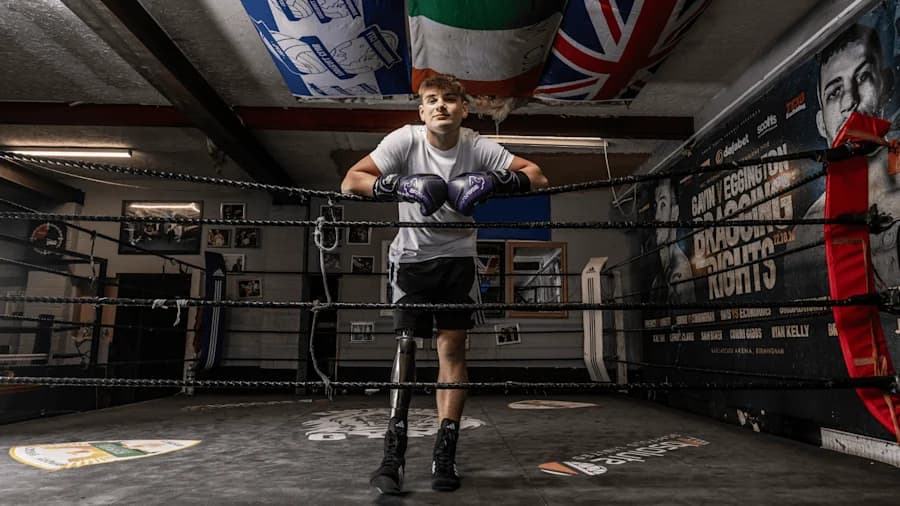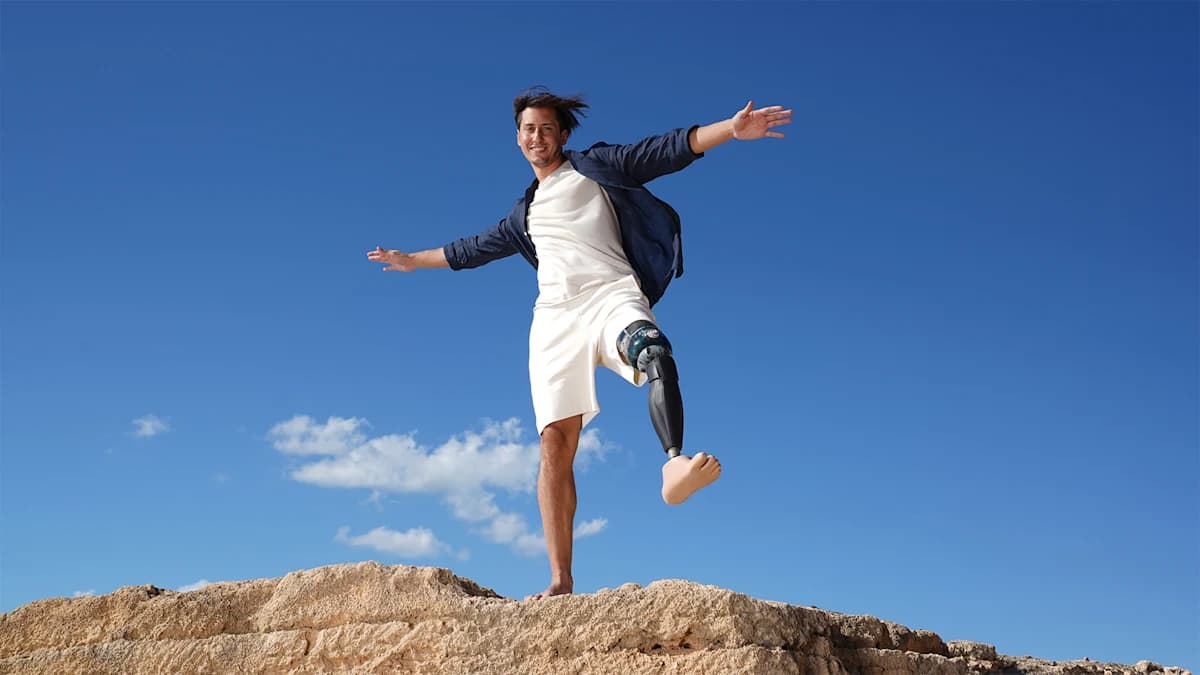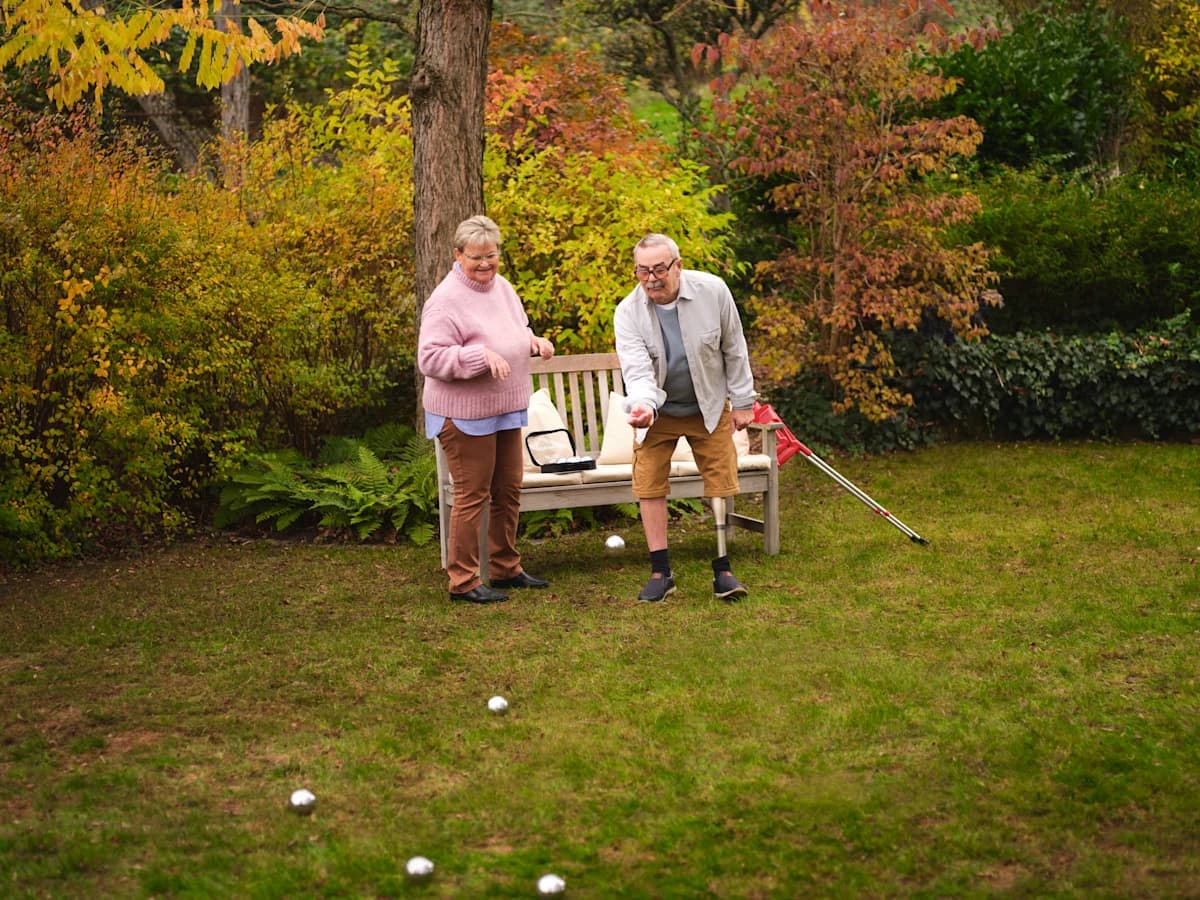
Move. Play. Grow.

MPKs for kids.

Move, play and grow with Ottobock.

We believe every child deserves the freedom to move with confidence. Our range of microprocessor prosthetic knees (MPKs) includes advanced features that offer significant benefits for children — providing stability, safety and adaptability as they walk, run and explore the world around them.

From safety during their first steps in rehabilitation, to keeping up with everyday play in the playground, to the challenges of young adult life — Ottobock MPKs support active lifestyles and encourage independence right from the start of the journey.

An MPK is a type of prosthetic knee joint that uses advanced sensors and onboard computers to continually adjust resistance and movement based on how the user is walking. For children, this can translate to more natural movement, fewer falls and a better chance to keep up with their peers.

Kenevo: Supporting safe, independent movement.

Kenevo: Supporting safe, independent movement.

Kenevo offers advanced safety and support features, making it ideal for young children developing their mobility. With Stumble Recovery Plus, Intuitive Stance, Supported Sit-to-Stand and a Manual Lock for extra stability, Kenevo helps reduce the risk of falls and provides confidence in every step.

Lightweight design, heavyweight performance

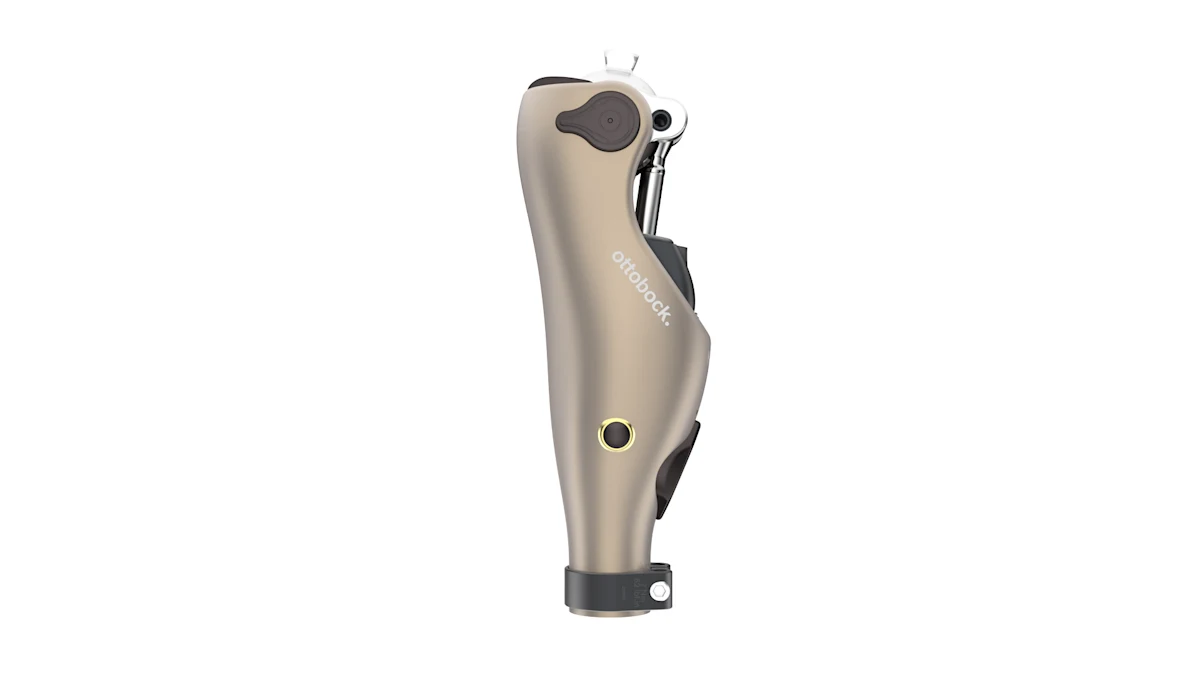
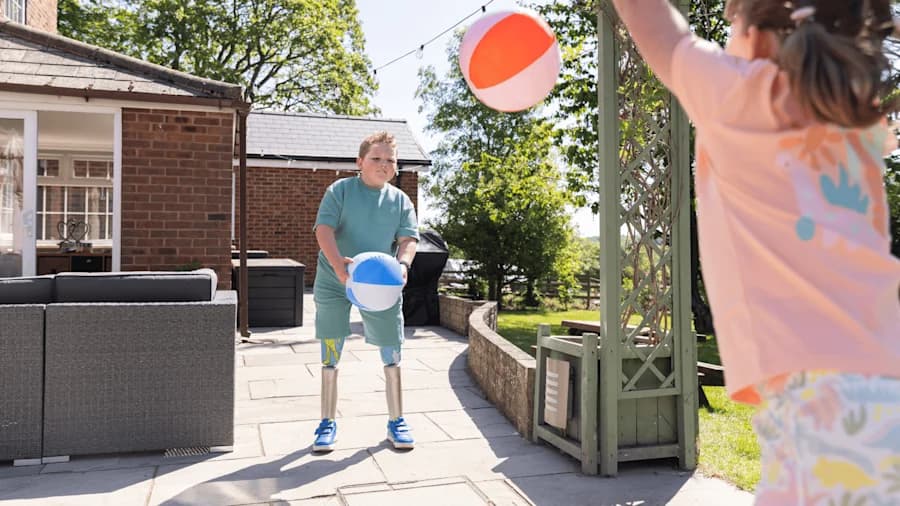
Kenevo is the first microprocessor knee specifically designed for people with significant mobility limitations who need a higher level of stability. It is also the lightest MPK on the market and has the smallest build height.
Ready for any path

Mode C is a yielding mode that helps users walk more naturally, almost like a mini C-Leg 4. Rather than locking into place, this mode keeps the knee stable while allowing a small degree of give — making slopes and stairs easier to navigate.

Total security with every step

Mode B and B+ are semi-locked settings designed for users who require very high levels of stability. Especially beneficial for bilateral above-knee or through-knee users, providing added confidence and support.

C-Leg: Growing up with confidence.

C-Leg: Growing up with confidence.

Children have access to the C-Leg 4, Ottobock's signature microprocessor knee renowned for its advanced features and proven performance. With intuitive sensors and Stumble Recovery technology, the C-Leg dynamically adapts to different walking speeds and terrain.

Stand with ease

Intuitive Stance makes standing still safer and easier. When waiting in line or chatting with a friend, the knee automatically becomes slightly stiffer, helping your child stay steady and balanced.

Adaptive control & Stumble Recovery

Adaptive Swing Phase Control adapts to each person's unique walking style. If the knee detects a potential stumble, it reacts instantly with the right amount of resistance to help the user regain balance.

Secure in every step

Using advanced sensors, C-Leg 4 recognises whether you're sitting down, walking downhill or going down stairs, and automatically adjusts to provide the right level of support.

Make it your own

MyModes Plus offers a new level of personalisation — two custom modes can be programmed for sports, work or leisure, easily activated through the Cockpit app or a simple movement pattern.

What the research shows for kids and MPKs.

Enhanced quality of life

C-Leg 4 users reported improvements in quality of life, with less pain, easier walking, improved body image and more energy to keep up with friends and stay focused at school.

Fewer falls. Greater confidence.

With Kenevo, 50% of users report never stumbling and 72% never falling while using their MPK, helping reduce the fear of falling.

Improved mobility with less fatigue

MPK users experience reduced cognitive and physical effort during walking, allowing children to stay active for longer with less exhaustion.

Increased walking speed

Children using MPKs can match the walking pace of their peers more easily, supporting school, play and social activities.

Support for bilateral users

MPKs provide critical stability and confidence for bilateral above-knee amputees, where balance and fall-prevention matter most.

Enhanced performance on stairs & ramps

Yielding modes and intelligent stumble recovery make stairs, ramps and uneven ground safer and more natural to navigate.

User Stories: See How Kids Are Thriving With MPKs.

William, MPK Kids user with Kenevo

William's Kenevo Story

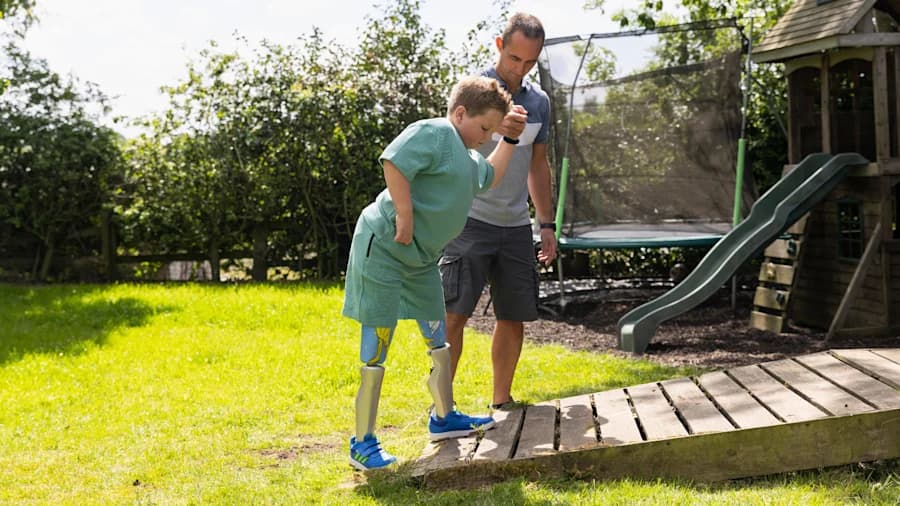
William, a 9-year-old, survived sepsis at age three, which led to the amputation of both legs and nine fingers. Despite this, he has shown incredible determination. He loves being outdoors, staying active, and playing with his younger sister. He was the youngest amputee to trial Kenevo MPKs, which have significantly improved his mobility, safety and confidence. Supported by his family, he continues to inspire others with his resilience and positive spirit.

Brooke, MPK Kids user with Kenevo

Brooke's Kenevo Story

Brooke is a determined 15-year-old who has faced remarkable challenges since surviving sepsis at age 10, an illness that led to the amputation of both legs and his left arm. After a gruelling recovery involving months in intensive care and extensive rehabilitation, his resilience and dedication to physiotherapy helped him regain his mobility and confidence — thanks in part to his Kenevo MPKs. Now flourishing at school, he channels his experience into advocacy and aspires to become an author and entrepreneur.

Felicja, MPK Kids user with C-Leg

Felicja's C-Leg Story

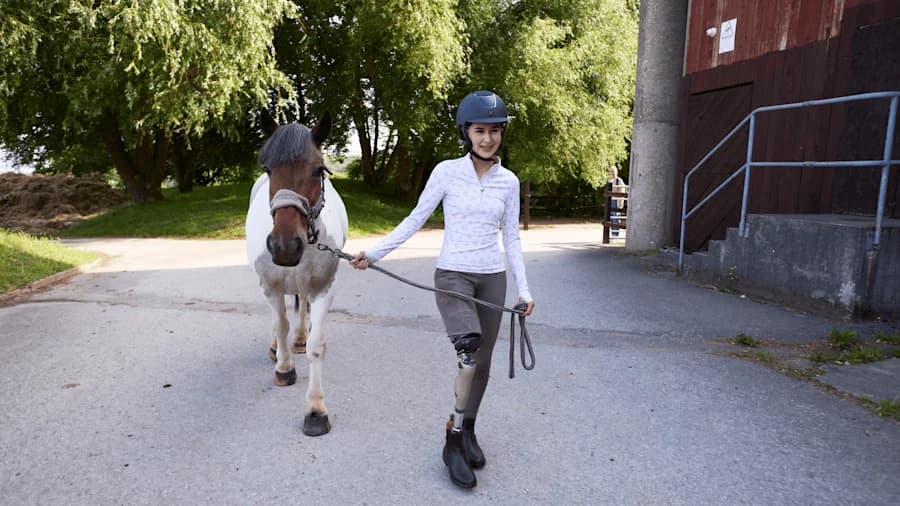
Felicja was diagnosed with osteosarcoma at age 9. After her tumour was removed, complications from an infection led her family to choose an amputation to give her the best chance at an active life. Initially fitted with a mechanical knee and then a blade, Felicja later trialled the C-Leg 4, which makes walking easier and less tiring. At school she moves confidently from class to class, and like many teenage girls she enjoys socialising, the park, shopping and music.

Hallé, MPK Kids user with Kenevo

Hallé's Kenevo Story

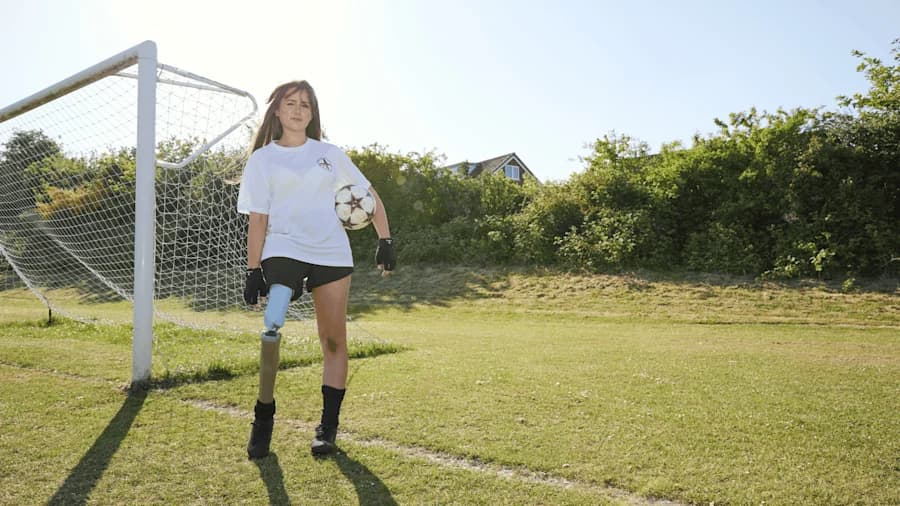
Hallé is a confident young user thriving with her Kenevo. The advanced safety features and intuitive support help her stay active, take part in activities with her friends and grow up with the freedom every child deserves.

Lucy, MPK Kids user with Kenevo

Lucy's Kenevo Story

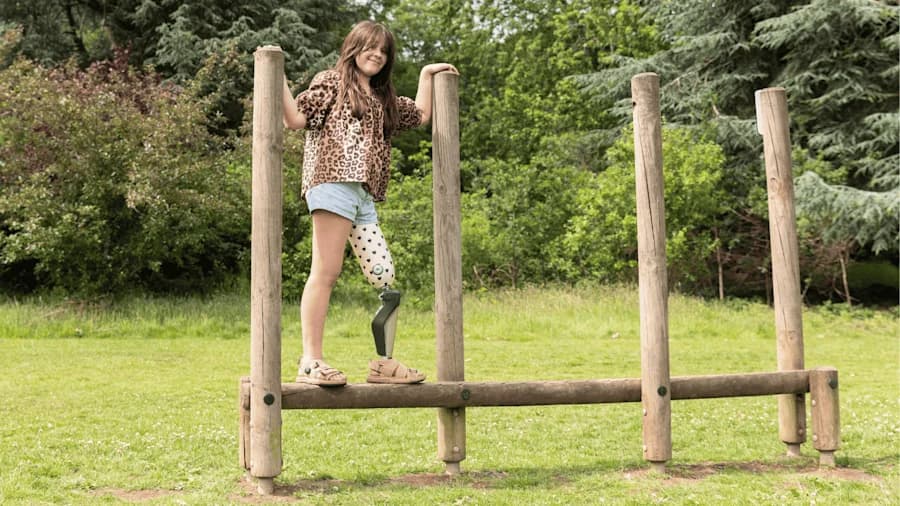
Lucy's Kenevo journey shows how a paediatric microprocessor knee can support a young user through every stage of growth — from the earliest steps in rehabilitation to the daily adventures of school, sport and play.

Ollie, MPK Kids user with C-Leg

Ollie's C-Leg Story

Ollie's C-Leg story demonstrates how the dynamic features of a microprocessor knee can support a young, active user — making walking easier, supporting confidence on stairs and ramps and helping him keep pace with his peers.

1 / 6

Which MPK is right for my child?

Choosing the right microprocessor knee for your child can feel overwhelming, especially with all the technical terms involved. We've put together a simple downloadable guide of the key features and benefits and how they relate to everyday life — to help you see at a glance whether your child might be better suited to a Kenevo or a C-Leg. And remember, you won't make this decision alone: your child's clinical team will guide and support you every step of the way.

Helpful Downloads.

Detailed product brochures and clinical research summaries you can review at home or share with your prosthetic team.

OneFit® Select C-Leg Packages

PDF · 2.8 MB

Download

OneFit® Select Kenevo Packages

PDF · 6.17 MB

Download

C-Leg Clinical Research Summary

PDF · 301 KB

Download

Frequently Asked Questions.

The main factor influencing the decision is often the height of the child and the space available from the end of the residual limb to the floor. Individual assessments take into account other factors such as maturity, functional requirements and weight. Routinely, MPKs are fitted to pre-teens and in some cases even younger for bilateral users who need additional support. Thanks to its small structural height, the Kenevo — currently the MPK with the smallest build height on the market — can be fitted earlier.

If you'd like your child to be considered for an MPK, contact your prosthetist or your local prosthetic centre to check eligibility. To be eligible for an MPK certain criteria must be met, and if successful a trial will be undertaken to see if it's the right option for them.

If your child has had a prosthetic knee before and is confident at walking, a C-Leg may be the best option. If they are a recent amputee, haven't had a prosthesis before or are going through rehabilitation, they may fit under the low-mobility bracket and Kenevo may be a better fit. Your prosthetist will advise which MPK is most suitable.

As with all limbs, your child will need to attend regular appointments to ensure the limb is still functioning and fitting as it should. C-Leg and Kenevo have a lifespan of about six years and will be serviced at regular intervals. If your child's knee needs to go in for servicing or repair, a replacement will be supplied until their own unit is returned. If a new socket is required, the knee will simply be transferred to that.

You will attend your clinic for regular check-ups. The knee requires servicing every other year and the foot should be replaced at the same time. If your child experiences sudden growth or a change in weight, the limb build will require an adjustment. Some adjustments in the user app also allow alterations within safe limits to fine-tune movement once the limb is taken home.

Yes! Cycling is no problem. Speak to your prosthetist about setting up the C-Leg to make this possible.

Not at all — Kenevo is in fact the lightest MPK on the market.

Yes! Our C-Leg comes with customisable insert panels so your child can add their own design.

During the initial phase, therapy sessions will be arranged to suit each individual. Everyone learns at different speeds, so be guided by your clinical team. Most children master walking with an MPK within a few weeks, but true proficiency — especially for more complex tasks — can take a few months. Ongoing training and monitoring are key.

The fitting includes the MPK (C-Leg or Kenevo), an appropriate prosthetic socket and a prosthetic foot. There will also be clinical appointments to make sure the knee is right for your child and set up correctly. There may be new features to learn — like walking down stairs or slopes in a more natural way — which your child will learn with a physiotherapist.

We recommend charging the prosthetic knee every night so it's ready for the next day. You can also check the charge level by connecting to the Cockpit app.

Of course! There are no restrictions on travelling with your MPK.

Ottobock's Global Emergency Service ensures you're supported anywhere in the world. A loaner unit will be sent to the nearest certified prosthetist, who will fit the device and send your unit to us for repair. Once repaired, we'll return it to you wherever you are.

Supporting Components for Your MPK.

Pair the right prosthetic foot with your child's microprocessor knee to complete a balanced, dynamic system.

Ottobock Evanto prosthetic foot

Dynamic prosthetic foot.

Evanto

A versatile prosthetic foot for everyday activities, designed to pair well with the C-Leg and Kenevo for a balanced, energy-returning gait.

Find the right MPK for your child.

Our expert team will help you understand whether Kenevo or C-Leg 4 is the right paediatric microprocessor knee for your child's stage of development.

Contact Us
Безплатна консултация