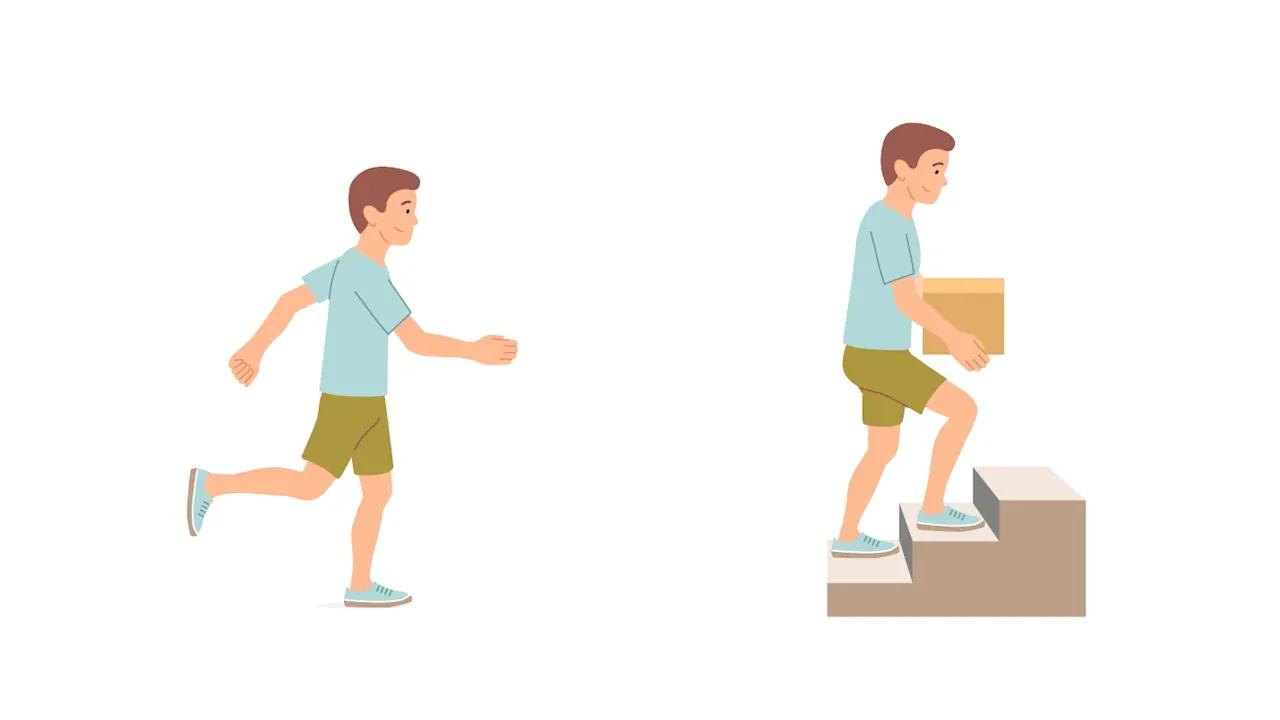
Уровень I
Ваш ребёнок может передвигаться самостоятельно. Подвижность почти не ограничена — возможны ходьба, подъём по лестнице и даже бег.
Узнайте всё, что нужно знать о церебральном параличе, и о том, как могут помочь ортопедические решения Ottobock и решения NeuroMobility.
Связаться с намиЦеребральный паралич (CP) — это группа двигательных нарушений, которые проявляются в раннем детстве и вызваны повреждением головного мозга, развивающимся до, во время или вскоре после рождения. CP влияет на способность человека контролировать мышцы, осанку и движения. Хотя церебральный паралич является пожизненным состоянием, современные ортопедические изделия, решения NeuroMobility и терапия могут значительно улучшить подвижность, комфорт и самостоятельность в любом возрасте.
Установить точную причину CP у конкретного ребёнка или определить факторы риска, которые могли сыграть роль, врачам часто бывает непросто. Чаще всего CP является результатом повреждения головного мозга, возникающего до, во время или вскоре после рождения. К факторам риска относятся преждевременные роды, низкая масса тела при рождении, инфекции во время беременности и осложнения при родах.
Дети с церебральным параличом могут развиваться очень по-разному в зависимости от тяжести их состояния. При раннем вмешательстве, правильных ортопедических изделиях и поддерживающей терапии многие пациенты с CP учатся ходить, бегать и вести активную повседневную жизнь — дома, в школе и в своих сообществах.
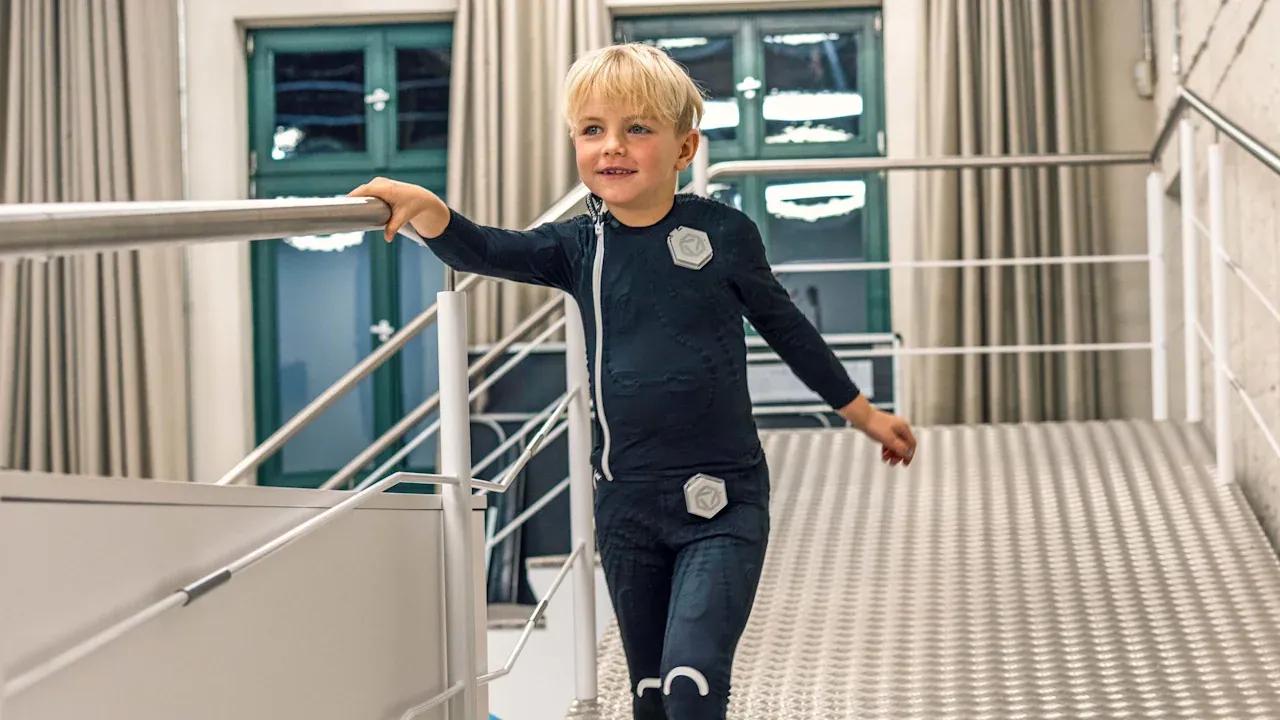
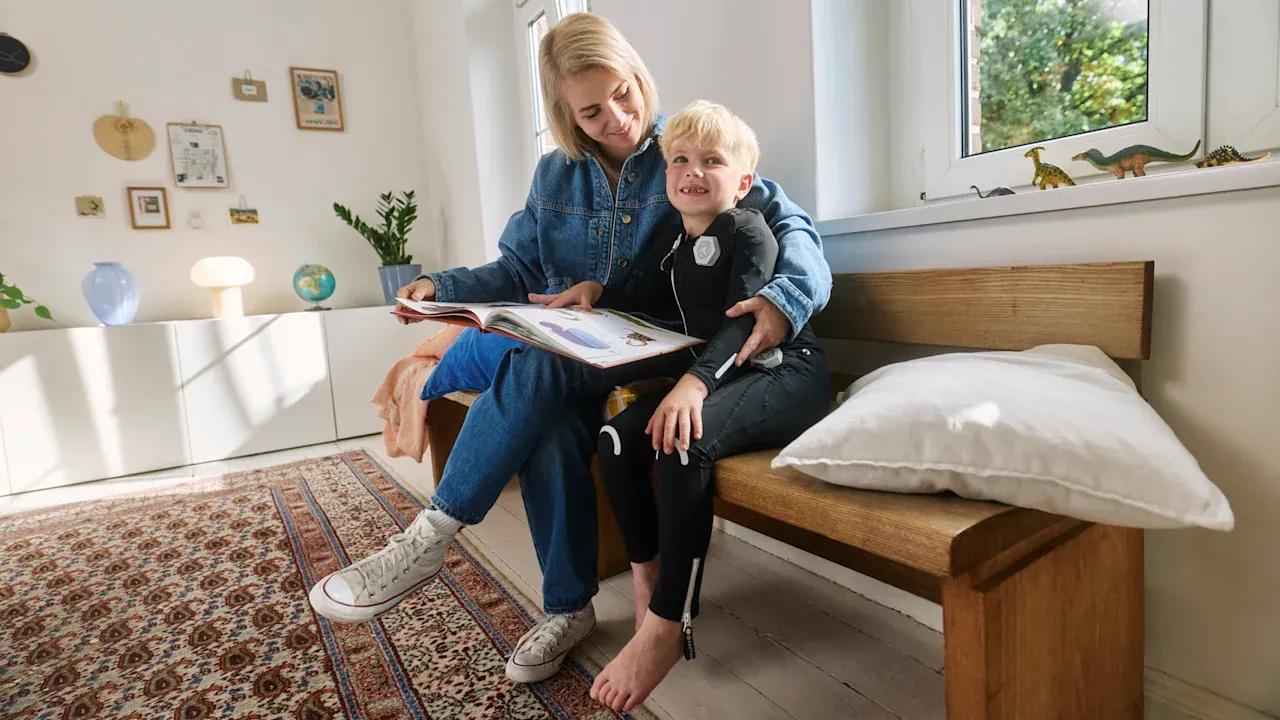
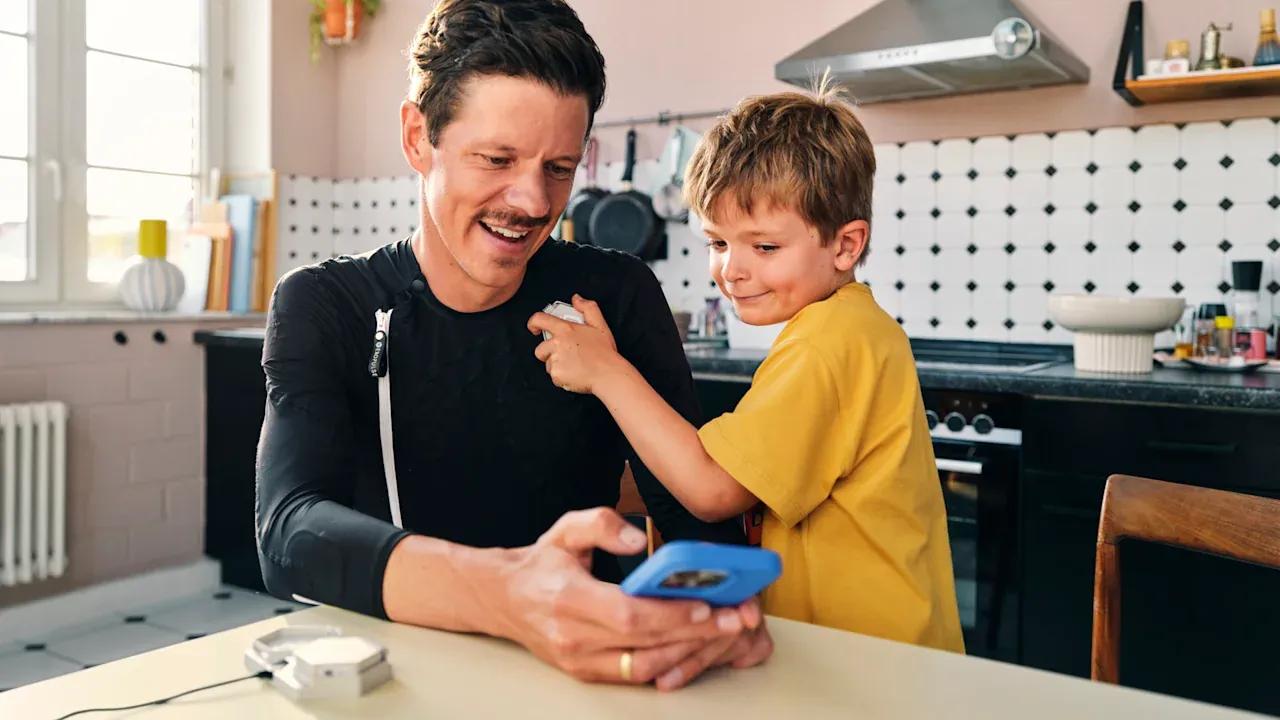
Устройства Ottobock NeuroMobility, такие как exopulse Mollii Suit, предлагают новаторские немедикаментозные подходы к управлению спастичностью, связанной с CP. Надеваемый по одному часу за раз дома, костюм может помочь снизить мышечное напряжение и улучшить повседневный комфорт детей и взрослых, живущих с церебральным параличом.
В зависимости от тяжести возникшего повреждения мозга могут проявляться различные симптомы церебрального паралича. Поскольку церебральный паралич — это группа двигательных нарушений, он может проявляться одним или несколькими из следующих симптомов.
Церебральный паралич классифицируется на несколько видов в зависимости от преобладающего двигательного нарушения. Ознакомьтесь с наиболее распространёнными формами и тем, что они означают для повседневной жизни.
Церебральный паралич не прогрессирует, а значит, повреждение мозга не будет усугубляться со временем. Однако церебральный паралич неизлечим, и вашему ребёнку может потребоваться пожизненная поддержка. Поэтому физиотерапия вместе с ортопедическими изделиями и вспомогательными средствами может изменить жизнь — раннее начало помогает сохранить подвижность и самостоятельность.
Развитие подвижности может значительно различаться у детей с церебральным параличом. Двигательное нарушение или проблемы с осанкой индивидуальны для каждого человека. Физиотерапию, ортопедические изделия и вспомогательные средства для передвижения следует подбирать с учётом индивидуальных потребностей вашего ребёнка.

Церебральный паралич проявляется по-разному у каждого ребёнка. Ниже представлены наиболее распространённые сочетания видов и поражённых областей, а также их приблизительная распространённость.
На основании результатов обследования двигательных навыков и подвижности в повседневной жизни врачи могут диагностировать степень тяжести церебрального паралича. Система классификации больших моторных функций (GMFCS) часто используется для этой цели — не только врачами, но и другими профессиональными группами, например физиотерапевтами.
Определение уровня GMFCS связано с фиксацией текущего уровня подвижности вашего ребёнка — иными словами, какие движения возможны для вашего ребёнка в повседневной жизни и где он сталкивается с препятствиями или трудностями. Каждый уровень относится к движениям, которые возможны.
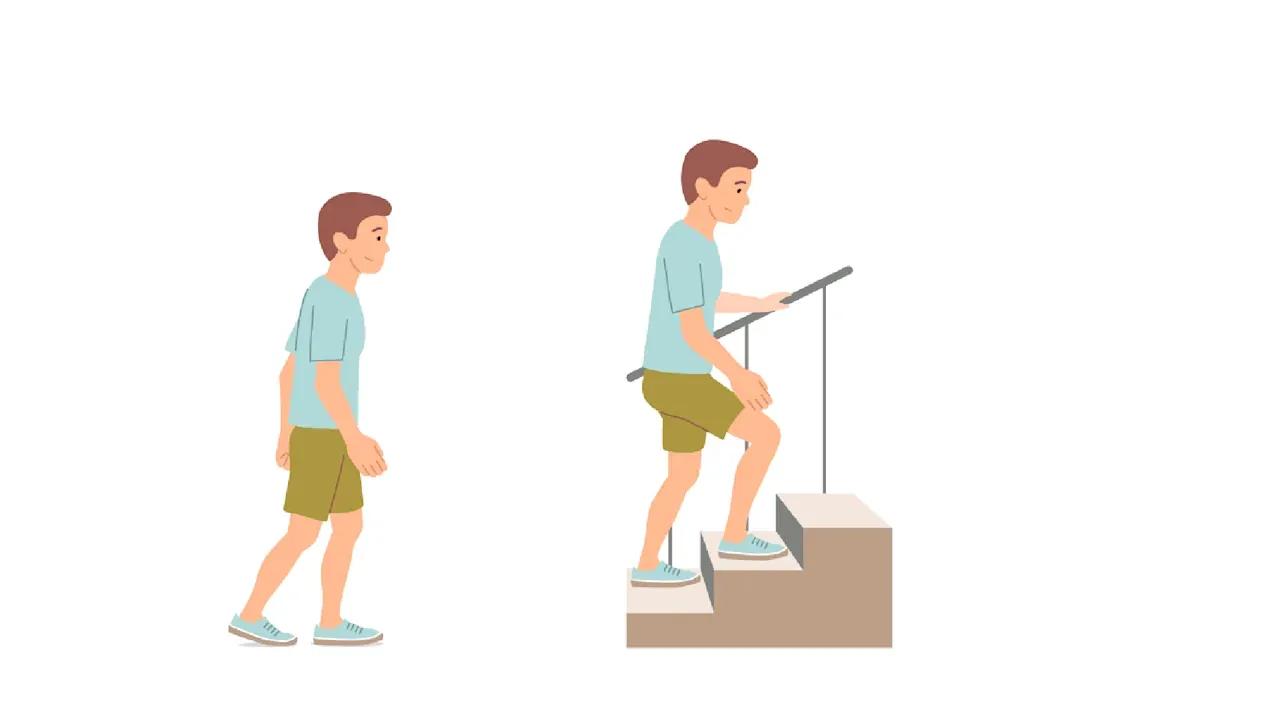
Уровень I
Ваш ребёнок может передвигаться самостоятельно. Подвижность почти не ограничена — возможны ходьба, подъём по лестнице и даже бег.
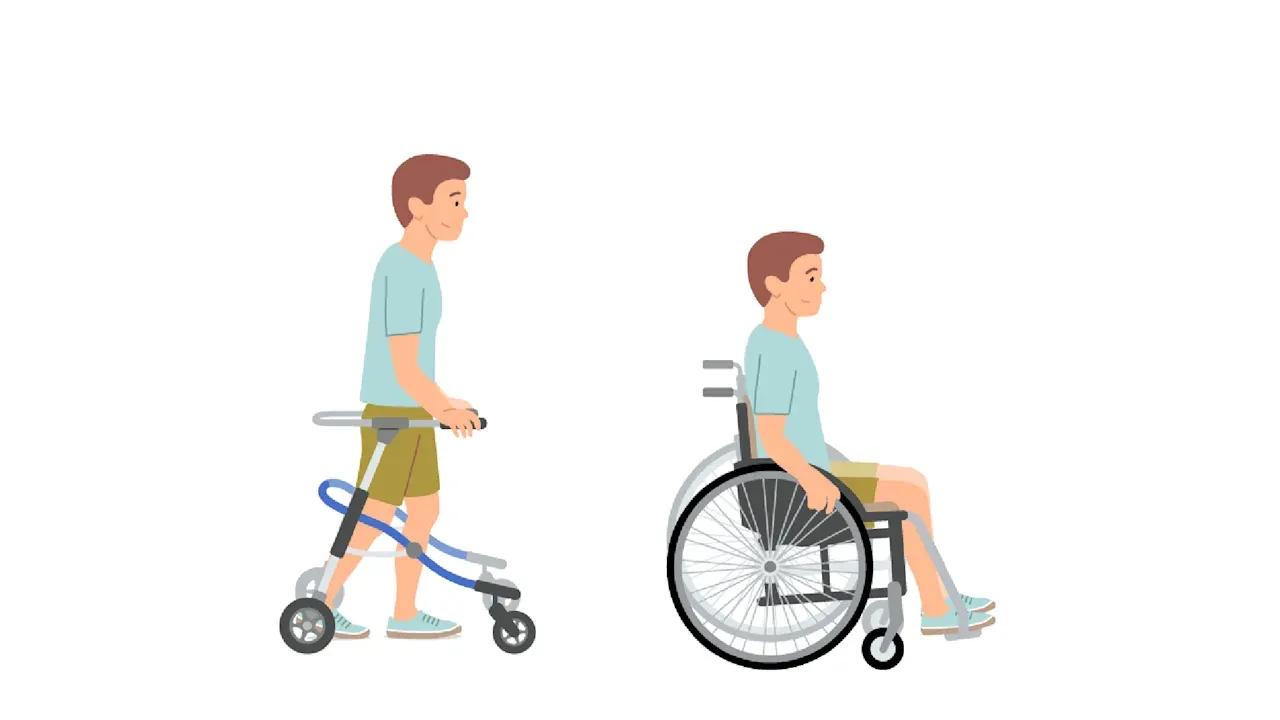
Уровень II
Ваш ребёнок ходит в большинстве условий. Ограничения заметны при ходьбе на большие расстояния, по неровным поверхностям или в толпе.
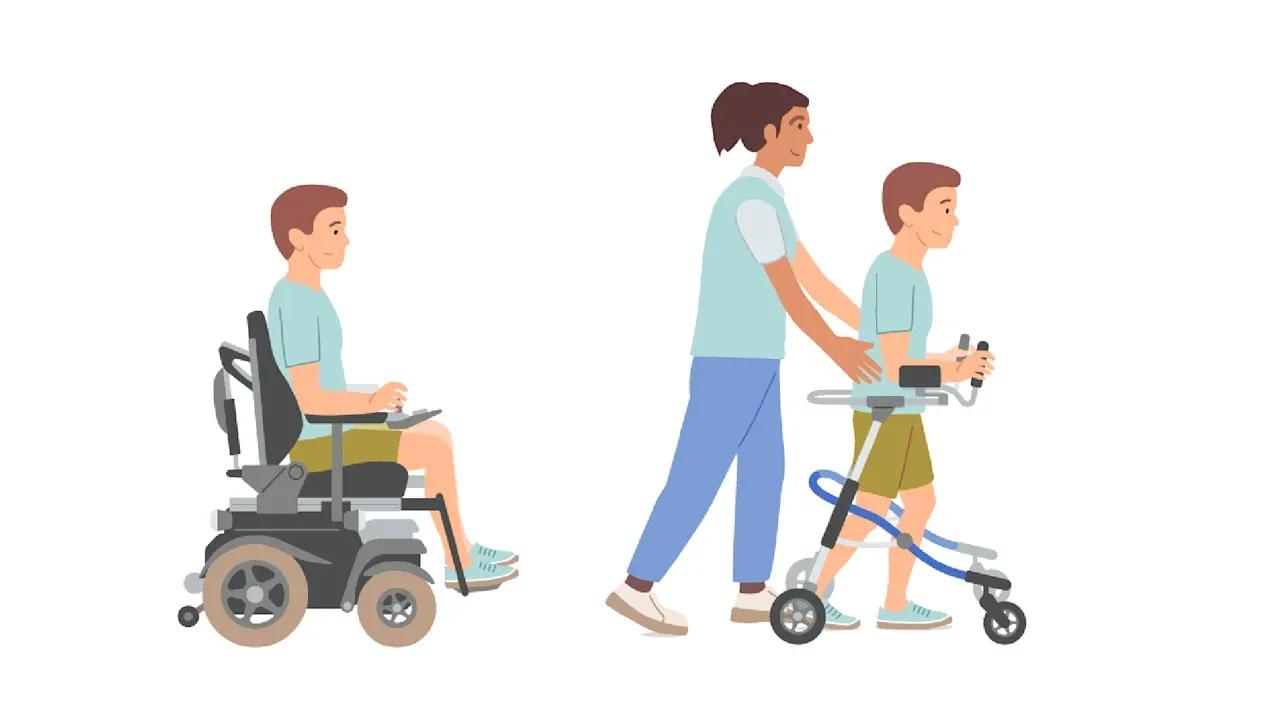
Уровень III
Ваш ребёнок ходит с использованием ручного средства передвижения. Для более длинных расстояний могут использоваться инвалидные коляски.
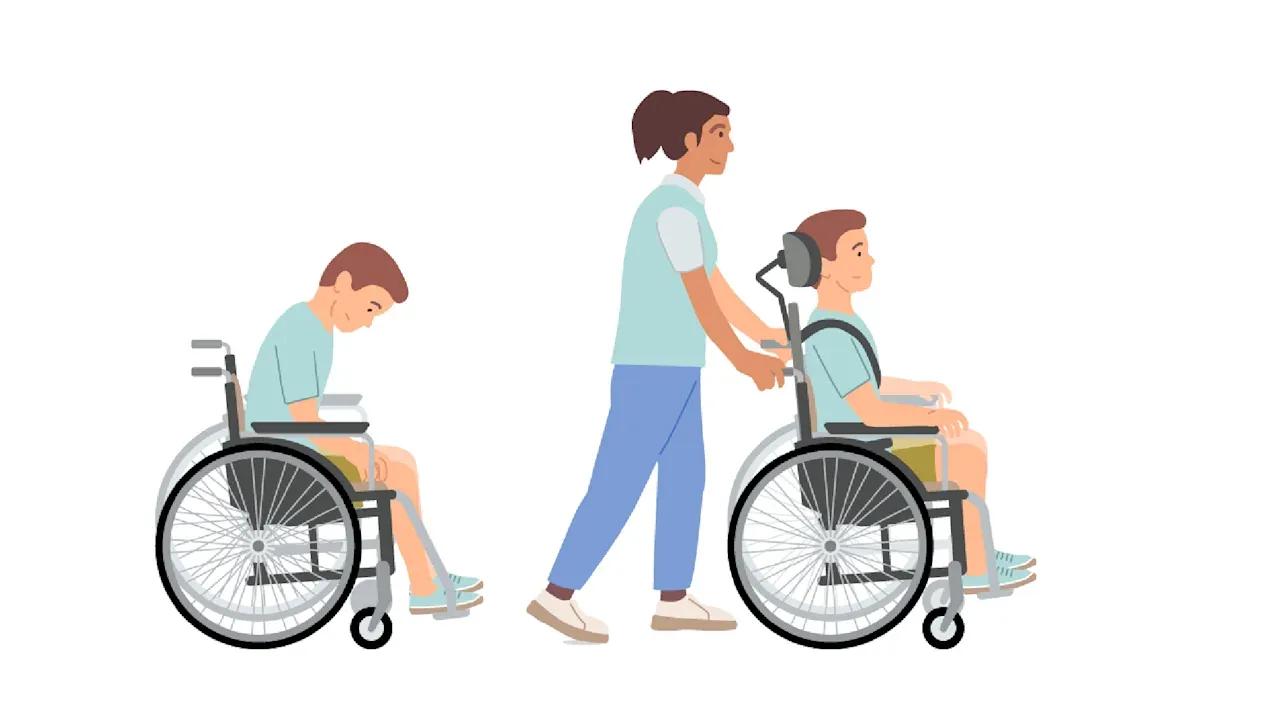
Уровень IV
Самостоятельное передвижение с ограничениями. В большинстве условий детей перевозят или они используют моторизованные средства передвижения.
Уровень V
Передвигается в инвалидной коляске с ручным управлением. Ограниченная способность удерживать положение головы и шеи против силы тяжести.
Лечение церебрального паралича будет зависеть от симптомов вашего ребёнка и того, как они влияют на его повседневную жизнь. Цель физиотерапии — улучшить двигательные навыки, а регулярные приёмы используются для постоянного отслеживания прогресса.
Множество различных специалистов будут работать вместе, чтобы способствовать подвижности вашего ребёнка с церебральным параличом. Однако планирование необходимых терапевтических мер является главным образом обязанностью лечащего врача в тесном сотрудничестве с родителями.
Многие родители детей с церебральным параличом часто чувствуют неуверенность в отношении будущего своего ребёнка. Вопросы о том, как физические нарушения повлияют на развитие и, следовательно, на перспективу самостоятельности во взрослой жизни, занимают центральное место в мыслях каждого родителя. Хорошая новость в том, что при раннем вмешательстве и надлежащей поддержке многие дети с CP вырастают в уверенных, активных взрослых.


Клиническая картина церебрального паралича сильно варьируется в зависимости от степени повреждения мозга вашего ребёнка. В результате у некоторых детей лишь очень незначительные ограничения, тогда как у других — более выраженные трудности. Каждый человек уникален — как и его путь к самостоятельности.
Многое меняется — в том числе то, как ты двигаешься! Подростковые годы — это время постоянных перемен. В твоём теле, в том, что тебя интересует, и в том, что для тебя важно. Ты испытываешь новые чувства, новые свободы и новую ответственность.
Подростковые годы приносят физические, эмоциональные и социальные трудности. Для людей с CP проблемы с подвижностью могут влиять на самостоятельность, уверенность в себе и участие в различных видах деятельности. К распространённым трудностям относятся:


Moya-May по-настоящему увлечена помощью другим людям с такими же ограничениями, как у неё. Она любит делиться тем, что узнала о взрослении с CP, поэтому мы попросили её дать несколько советов из реальной жизни в этой специальной серии видеороликов для подростков и молодых людей, живущих с церебральным параличом.
Хотя церебральный паралич (CP) является непрогрессирующим состоянием, его симптомы могут эволюционировать и создавать новые трудности во взрослой жизни из-за старения, факторов образа жизни и долгосрочного воздействия состояния на организм. К распространённым трудностям во взрослой жизни относятся:
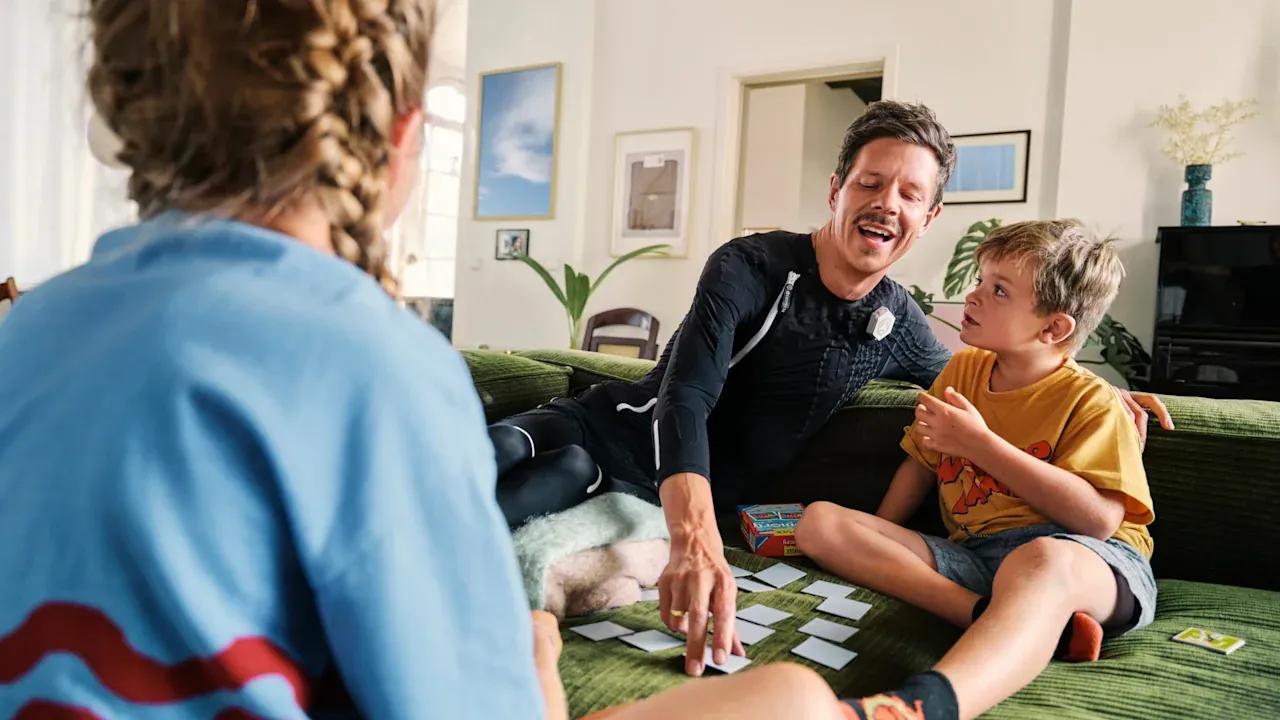
Хотя церебральный паралич является пожизненным, многие люди достигают самостоятельности и ведут полноценную жизнь при надлежащей поддержке. Раннее вмешательство, адаптивные стратегии и крепкая сеть поддержки могут кардинально изменить жизнь детей, подростков и взрослых, живущих с CP.
Хотя лекарства от этого состояния не существует, различные методы лечения могут помочь справиться с симптомами и улучшить качество жизни. К ним относятся физиотерапия, эрготерапия, логопедия, медикаменты, вспомогательные средства и, в некоторых случаях, хирургические вмешательства.
Ottobock предлагает обширный ассортимент ортопедических изделий и изделий NeuroMobility, которые поддерживают людей, живущих с церебральным параличом.
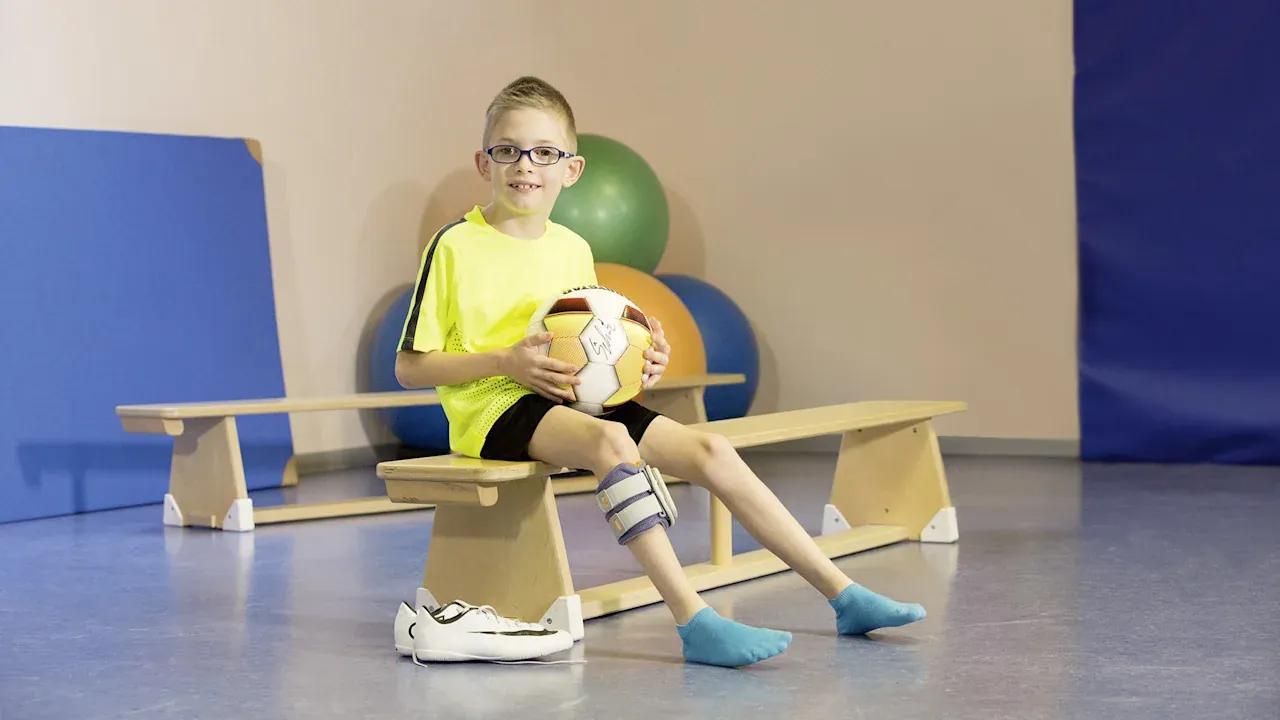
Системы FES предназначены для поднятия стопы при ходьбе, улучшая модель вашей походки и делая её более плавной и безопасной.
Узнать больше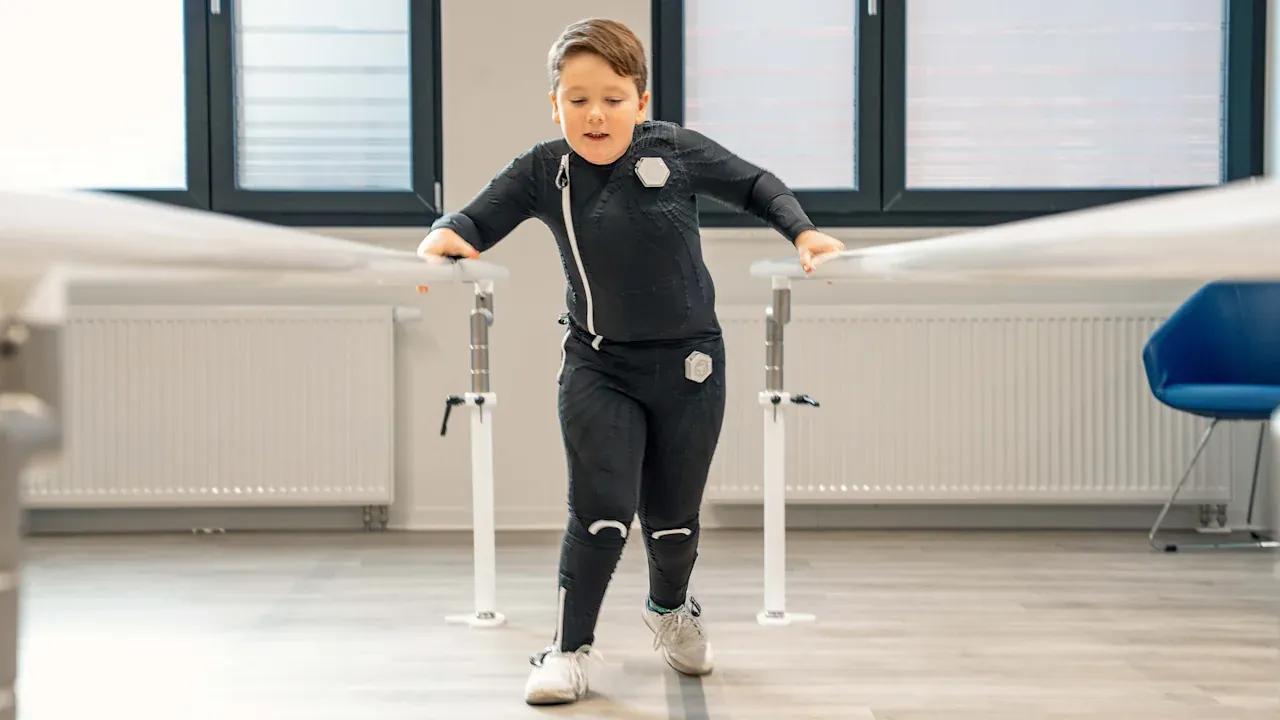
Почти полностью охватывающий тело костюм для нейромодуляции расслабляет спастичные и напряжённые мышцы, активирует слабые мышцы и облегчает связанную с этим боль.
Узнать больше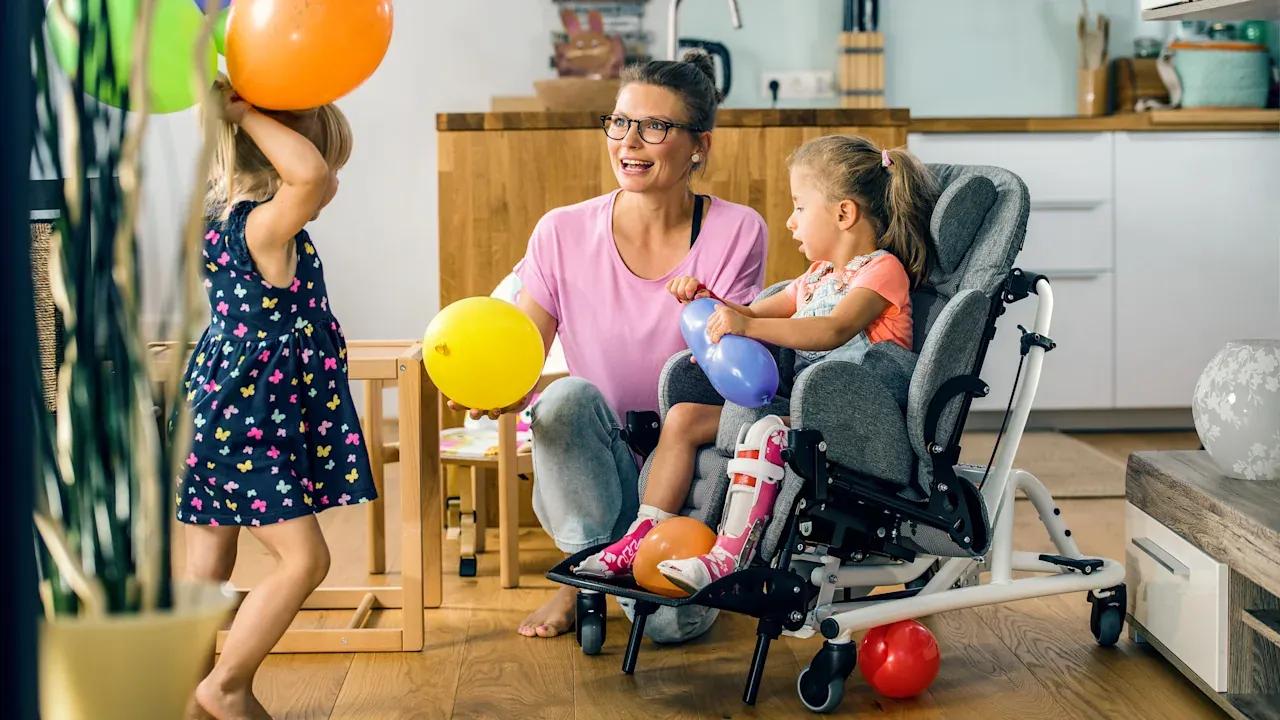
Изготовленные на заказ вспомогательные средства для передвижения и решения для сидения помогают детям с CP активно участвовать в семейной и школьной жизни.
Узнать большеВаш врач — это ваша первая точка контакта. Позднее смежные специалисты в области здравоохранения, такие как физиотерапевты, ортопеды, эрготерапевты и логопеды, будут готовы помочь вам на вашем пути.
Помимо обсуждения церебрального паралича в собственной семье и кругу друзей, полезным может быть и общение с другими людьми в схожей ситуации. Вот несколько организаций, которые могут предоставить больше информации и поддержки: