Стадия 1
Суставной хрящ имеет невидимые признаки дегенерации. Он менее эластичен, чем здоровый хрящ, и плохо восстанавливается после нагрузки. При высокой нагрузке может возникать первоначальная боль в колене.
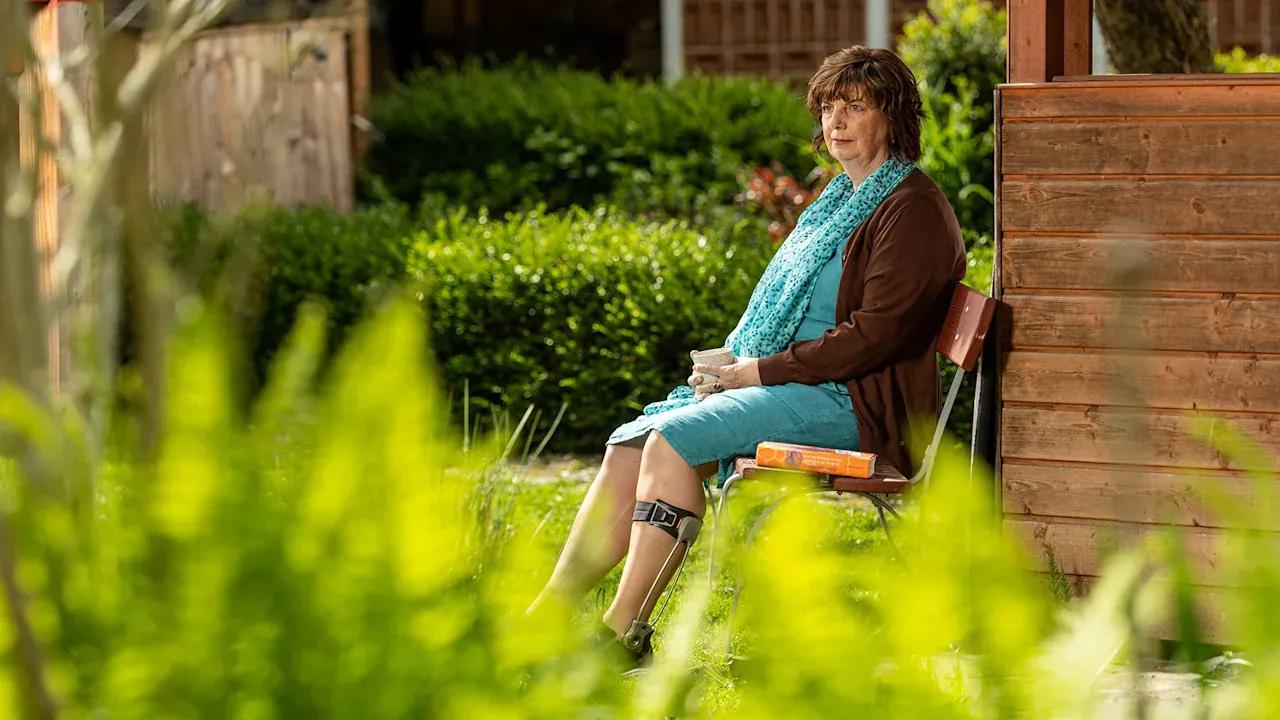
Остеоартроз коленного сустава — одно из наиболее распространённых заболеваний суставов. Узнайте, как коленные ортезы Ottobock могут помочь вам оставаться активными.
Свяжитесь с намиОстеоартроз — самая распространённая форма артрита; по оценкам, в Великобритании этим заболеванием суставов страдают более 8,5 миллиона человек. Хотя риск развития остеоартроза увеличивается с возрастом, заболеванию могут быть подвержены и молодые, активные люди.
Чаще всего остеоартроз развивается в коленном суставе. Диагноз может вызвать у пациентов чувство неуверенности, и многие опасаются, что боль в колене будет преследовать их всегда. Они задаются вопросом, как долго ещё смогут заниматься своими увлечениями или подниматься по лестнице. Есть ли способ уменьшить боль помимо лекарств, или способ избежать или отсрочить операцию?
Да, есть! Существует множество возможностей вести активную жизнь при остеоартрозе. Во многих случаях ортез может помочь уменьшить боль и вернуть качество жизни. Благодаря подходящему ортезу операции зачастую можно избежать. На этой странице вы узнаете всё необходимое об остеоартрозе коленного сустава. Здесь вы также найдёте советы и информацию, которые помогут вам жить с этим состоянием.
Если у вас остеоартроз, ортез Ottobock может помочь облегчить боль и снизить нагрузку на коленные суставы, открывая путь к более активной и менее болезненной жизни.
Изучить линейку AgiliumОстеоартроз коленного сустава (гонартроз) — это дегенеративное состояние, которое приводит к прогрессирующим изменениям в колене. На начальной стадии остеоартроза вы лишь иногда испытываете боль или ограничения в движении, а порой и вовсе их не ощущаете. При прогрессировании остеоартроза коленного сустава боль и дискомфорт могут усиливаться. У большинства людей остеоартроз развивается в течение жизни из-за изнашивания коленного сустава. Такие факторы риска, как ожирение, недостаток движения, перегрузка и неправильная нагрузка на суставы, могут создать условия для развития остеоартроза.
Остеоартроз коленного сустава обычно начинается с признаков износа суставного хряща. Со временем поверхность хряща становится шероховатой и неровной, и сустав уже не двигается плавно. Возрастающее трение приводит к болезненному воспалению в колене. На поздних стадиях остеоартроза повреждение хряща усиливается, и поражаются все ткани сустава. При этом кости образуют шипы (остеофиты) и вызывают тугоподвижность. Возникает боль в колене, которая со временем становится сильнее.
Остеоартроз коленного сустава классифицируется по четырём степеням тяжести:
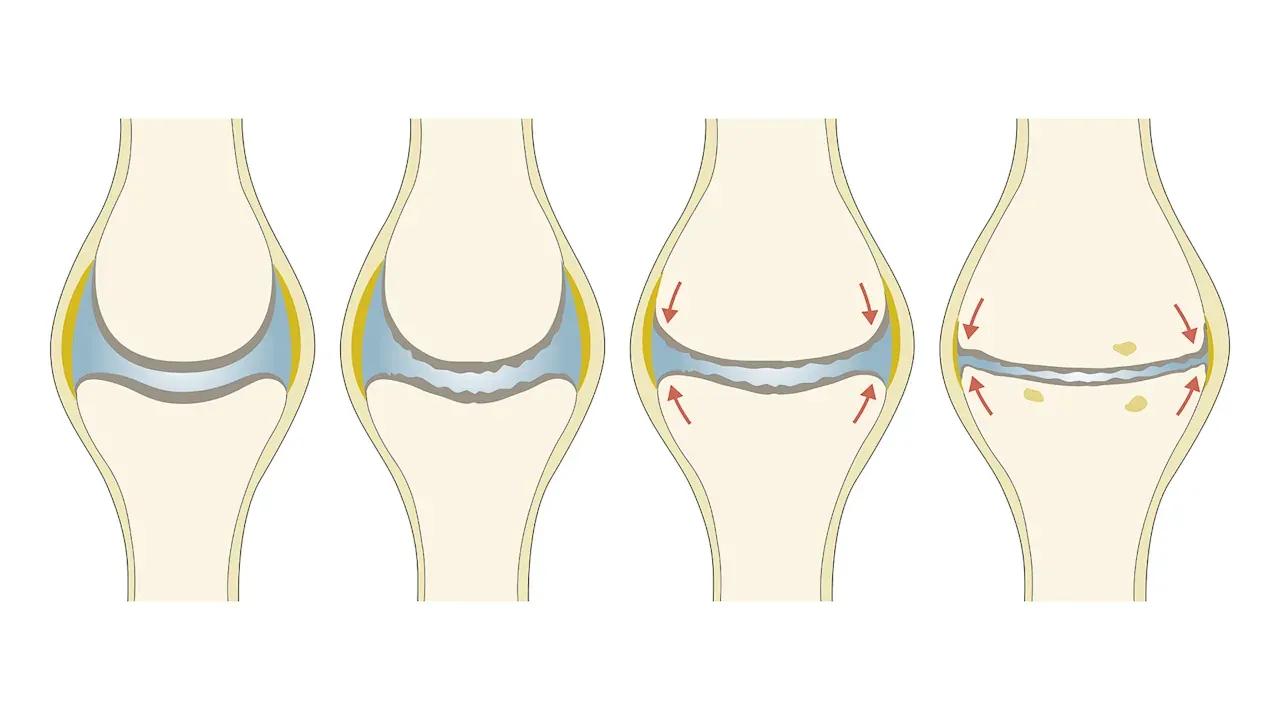
Стадия 1
Суставной хрящ имеет невидимые признаки дегенерации. Он менее эластичен, чем здоровый хрящ, и плохо восстанавливается после нагрузки. При высокой нагрузке может возникать первоначальная боль в колене.
Стадия 2
Хрящевая ткань истончается, а также становится шероховатой и неровной, и кости образуют первые шипы (остеофиты). Способность колена выдерживать нагрузку снижается, и на этой стадии остеоартроза прогрессирование можно эффективно замедлить с помощью упражнений, снижения веса и медицинских изделий, таких как ортезы.
Стадия 3
Хрящ частично исчез, а значит, кости в некоторых местах начинают тереться друг о друга, и рентгеновские снимки показывают выраженные костные шипы и сужение суставной щели. На этой поздней стадии остеоартроз вызывает значительные ограничения движения и боль в колене.
Стадия 4
Суставная щель значительно сузилась, а суставной хрящ почти полностью исчез, при этом кости часто также повреждены, а сустав деформирован и нередко воспалён. На этой завершающей стадии операция по замене сустава может стать наилучшим решением.
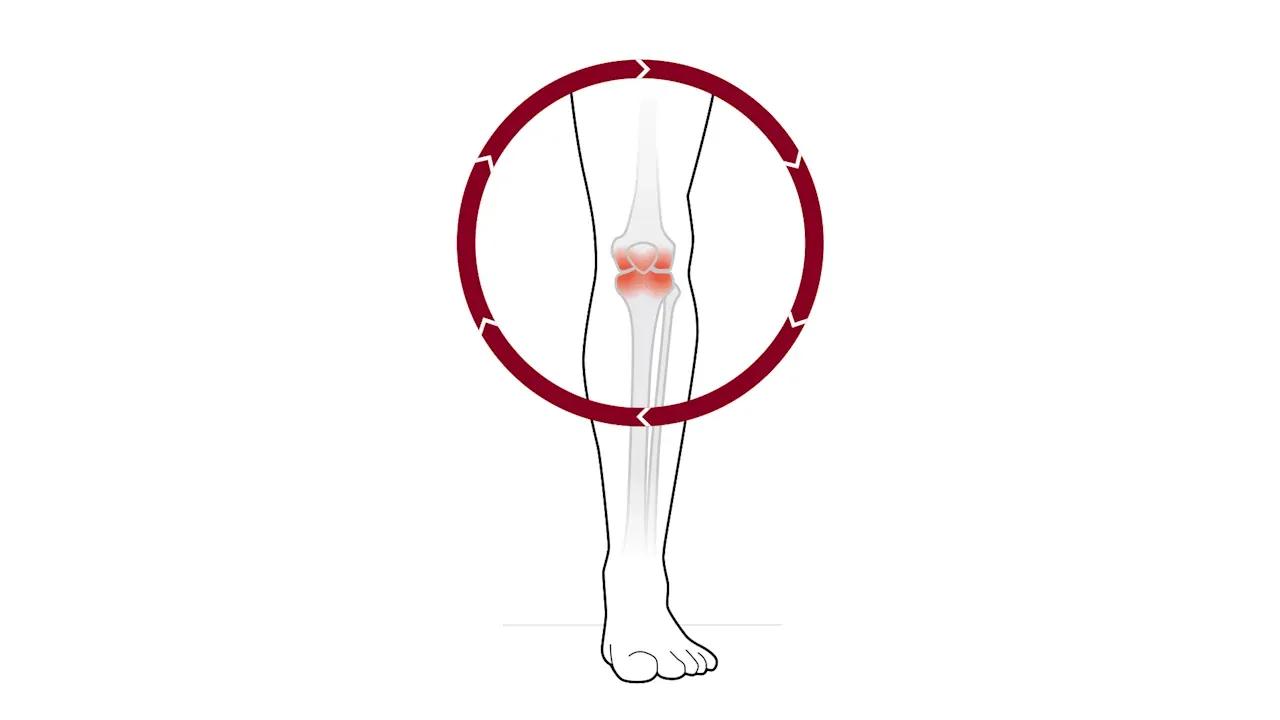
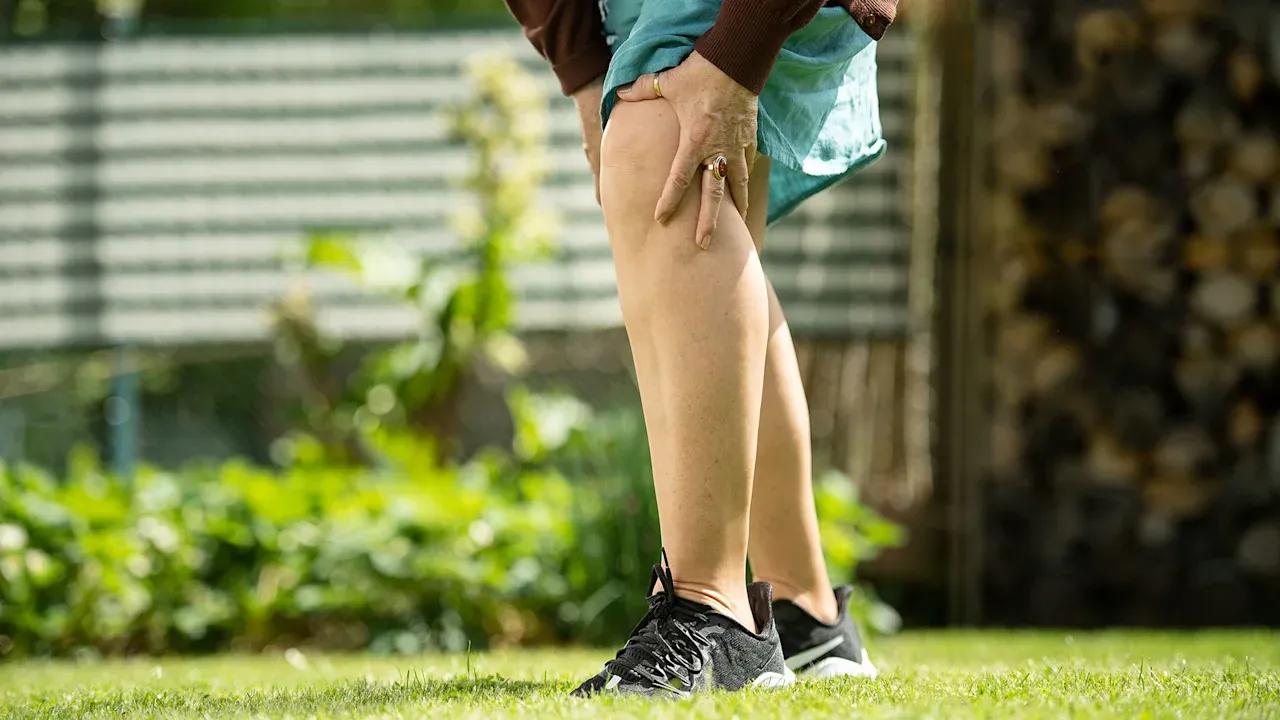
Пациенты с остеоартрозом коленного сустава нередко попадают в порочный круг: чтобы облегчить боль в колене, человек меньше двигается и часто принимает определённую позу, чтобы избежать дискомфорта. Однако ограничение движения приносит лишь кратковременное облегчение боли. В долгосрочной перспективе недостаток движения ускоряет износ хряща и усиливает боль в колене. Человек ещё чаще щадит колено вместо того, чтобы его разрабатывать, и порочный круг замыкается. Кроме того, неестественная поза, которую он принимает, чтобы избежать дискомфорта, также создаёт чрезмерную нагрузку на другие суставы, например на тазобедренные.
Чем раньше остеоартроз коленного сустава будет диагностирован и активно начато его лечение, тем выше шансы взять боль в колене под контроль. Сохранение подвижности сустава и замедление прогрессирующих изменений в коленном суставе приведут к более благоприятному исходу.
Если вы регулярно испытываете следующие симптомы в колене, вам следует обратиться к врачу:
Если у вас боль в колене или ограничена функция колена, вам следует сначала обратиться к врачу, который направит вас к ортопеду-технику. Ранняя диагностика имеет ключевое значение: чем раньше начато лечение, тем лучше долгосрочный результат.
При разговоре с врачом вам следует подробно описать проблемы с коленом и точно отвечать на его вопросы. Помимо боли в колене будут оценены и другие факторы, такие как ограниченная подвижность, история травм и физическая активность. Для подтверждения диагноза обычно используются методы визуализации, например рентген или МРТ.
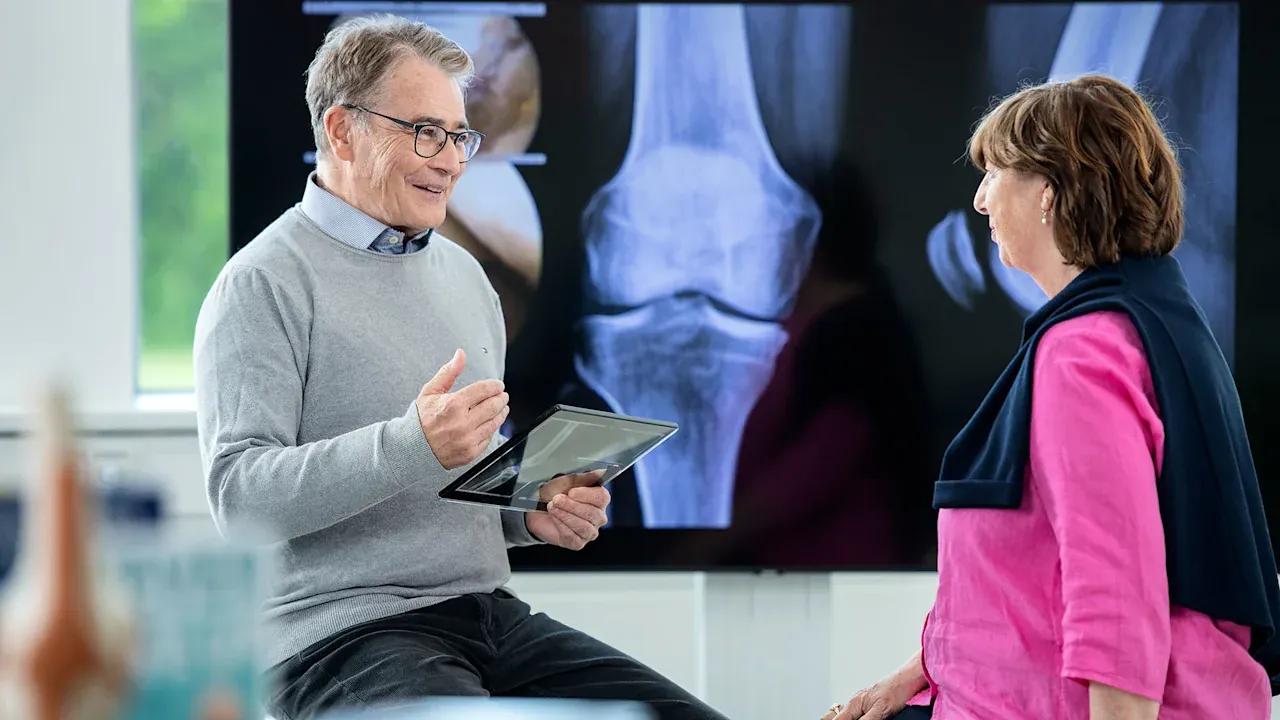
Существует три основных метода лечения остеоартроза коленного сустава: консервативная (неинвазивная) терапия, инвазивная суставосохраняющая терапия и инвазивная суставозамещающая терапия. Правильный подход зависит от тяжести вашего остеоартроза и ваших индивидуальных потребностей.
Коленные ортезы или ортезы голени и стопы, такие как Agilium Freestep, специально разработаны для разгрузки болезненных участков коленного сустава и могут обеспечить устойчивое облегчение боли в колене. Во многих случаях ортезы помогают людям с остеоартрозом коленного сустава прекратить приём анальгетиков или снизить дозу препарата, уменьшая его побочные эффекты. Коленные ортезы или ортезы голени и стопы позволяют пациентам с остеоартрозом коленного сустава передвигаться и заниматься спортом почти без боли. Таким образом они способны разорвать порочный круг боли, недостатка движения и прогрессирующего ухудшения остеоартроза.
"Большинство моих пациентов очень довольны новым ортезом. Более половины из них до сих пор смогли избежать операции."

Узнайте об опыте пациентов с остеоартрозом коленного сустава и о том, как они выбирают новые пути с ортезами от Ottobock.
Ottobock разработала индивидуальные ортезные изделия для различных проблем и травм колена. Ознакомьтесь с обзором линейки ортезных изделий Ottobock при остеоартрозе коленного сустава.
Остеоартроз коленного сустава неизлечим, но вы можете эффективно облегчить боль и дискомфорт и значительно улучшить качество жизни, если активно работаете над управлением этим состоянием. Активное управление держится на трёх опорах: сбалансированном питании, регулярном движении в повседневной жизни и подходящем виде спорта.
Питание может играть важную роль в замедлении остеоартроза. Основу вашего рациона должны составлять такие продукты, как фрукты и овощи, салаты, растительные масла, орехи и семена. Если у вас избыточный вес, его снижение уменьшает нагрузку на коленные суставы и может значительно уменьшить боль.
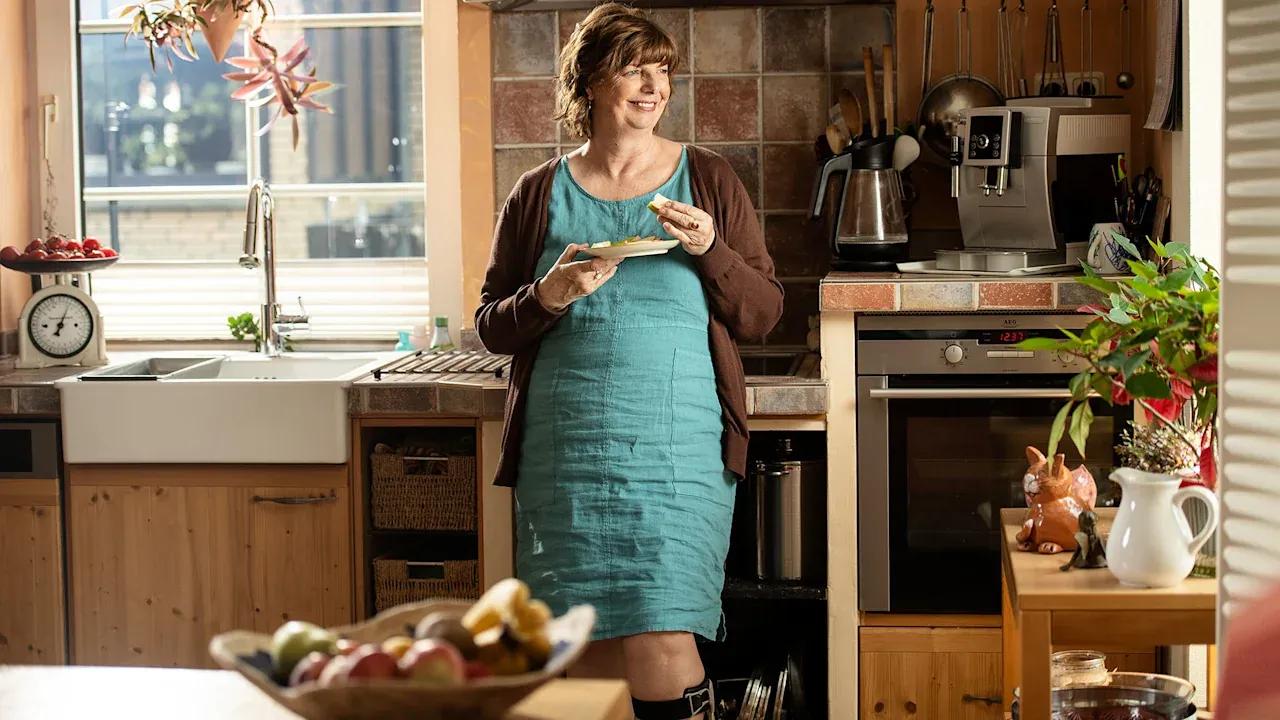
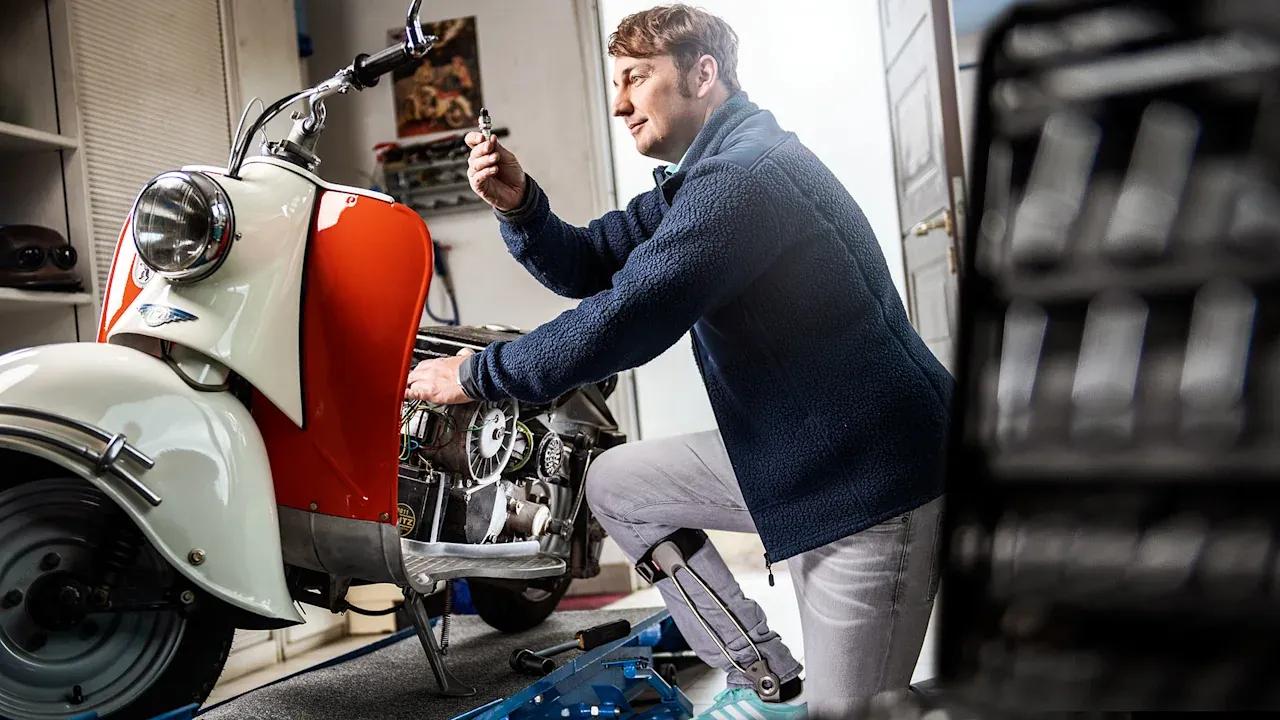
Регулярное движение необходимо для противодействия прогрессирующим изменениям, вызванным остеоартрозом, сохранения функции колена и облегчения боли. Небольшие ежедневные привычки — например, подъём по лестнице, ходьба вместо поездки на короткие расстояния или растяжка — со временем дают ощутимый результат.
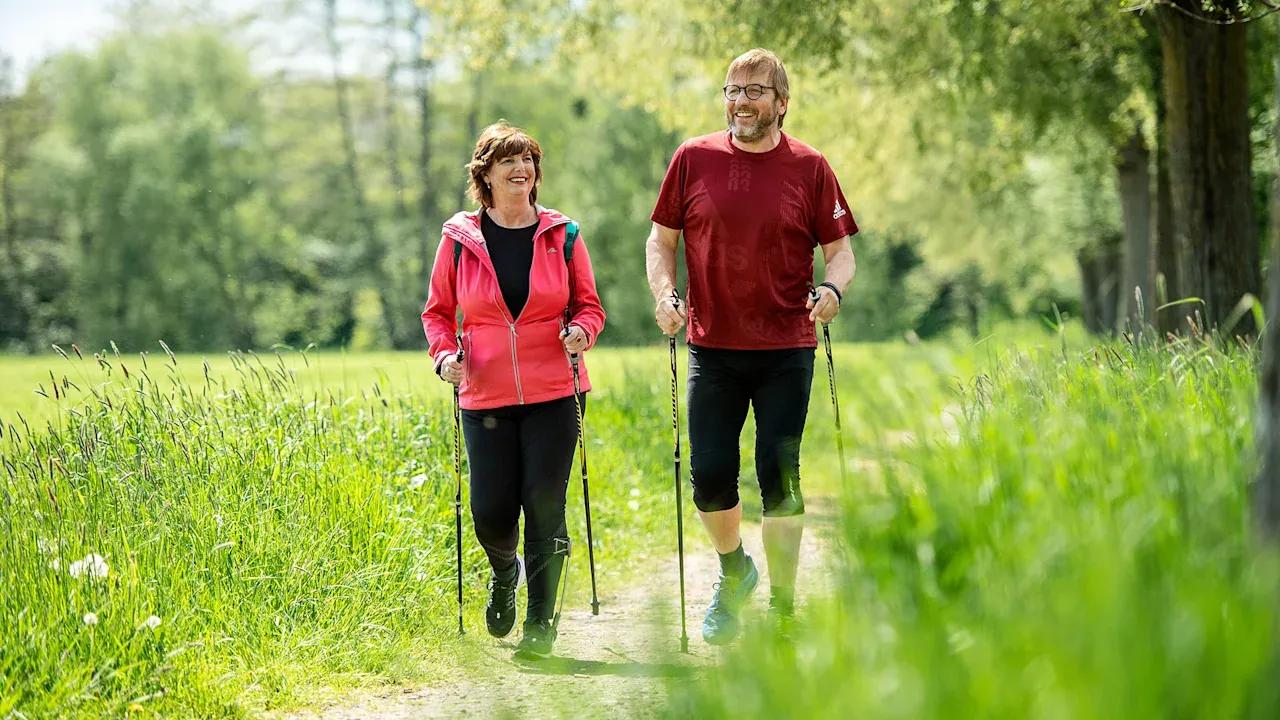
Помимо повседневного движения, регулярные занятия определёнными видами спорта идеально подходят для контроля остеоартроза. Плавание, аквааэробика, скандинавская ходьба, езда на велосипеде и неспешные походы — всё это щадящие для колена варианты, которые развивают силу и выносливость, не перегружая суставы.
Приведите колено в форму: посмотрите видео Agilium Move со специальными упражнениями на равновесие, силу и выносливость при остеоартрозе коленного сустава. Наша программа Agilium Move разработана совместно с экспертами, чтобы сохранить вашу подвижность и избавить от боли.
Упражнения на выносливость Agilium Move направлены на то, чтобы привести в движение всё тело, не создавая при этом чрезмерной нагрузки. Как при плавании или езде на велосипеде, вам следует стараться двигаться как можно дольше, поскольку это стимулирует снабжение суставов питательными веществами, что также помогает сохранять хрящ. Если вы регулярно выполняете упражнения при остеоартрозе коленного сустава, вы постепенно сможете ходить без боли на всё большие расстояния.
В наших упражнениях на равновесие Agilium Move бывший профессиональный горнолыжник Christian Neureuther показывает, как целенаправленно тренировать четырёхглавую мышцу и мышцы, управляющие коленным суставом. Эти упражнения при остеоартрозе коленного сустава помогут улучшить проприоцепцию (самоощущение) колена и, в свою очередь, улучшить связь между динамическими мышцами и стабилизирующими мышцами, используемыми в различных двигательных паттернах.
Остеоартроз коленного сустава приводит к дисбалансу не только в хряще, но и в окружающей мышечной ткани. Сильные мышцы обеспечивают стабильность костных структур сустава, поэтому акцент на упражнениях, укрепляющих мышцы бедра, может помочь уменьшить симптомы, связанные с остеоартрозом коленного сустава.
Реальные люди, реальные истории: познакомьтесь с тремя пациентами, которые вернули себе повседневную активность благодаря ортезу Agilium.
Если вы занимаетесь ручным трудом, вам нужно изделие, которое обеспечивает максимум свободы и гибкости при боли в колене. Dirk, который работает на себя и реставрирует мельницы, нашёл именно подходящий ортез для облегчения своей боли — Agilium Reactive.
У Christoph остеоартроз коленного сустава. «Agilium Freestep 3.0 позволяет мне делать многое из того, что раньше я не мог. Я не могу представить ни дня без этого ортеза.»
После перелома плато большеберцовой кости у спортсменки Kadri развился остеоартроз за коленной чашечкой. Это значительно ограничило её подвижность и вызывало сильную боль. Agilium Patella помогает Kadri вернуться к прежней себе.
Подбор подходящего ортеза Ottobock — это понятный, пошаговый процесс, призванный вернуть вам контроль.
1. Поговорите с врачом
Обсудите симптомы в колене и спросите, может ли ортезное изделие подойти вам. Ваш врач может направить вас к ортопеду-технику.
2. Пройдите подгонку у ортопеда-техника
Ортопед-техник оценит ваше колено и настроит изделие Agilium под ваши индивидуальные потребности для наилучшей посадки и эффекта.
3. Вернитесь к активной жизни
Носите ортез ежедневно — в сочетании с движением, упражнениями и хорошим питанием — чтобы наслаждаться облегчением боли и восстановленной подвижностью.
Благодаря линейке изделий Agilium многие довольные пациенты смогли вернуться к привычной повседневной активности. Узнайте больше об отдельных ортезах и найдите подходящий вариант для ваших потребностей.
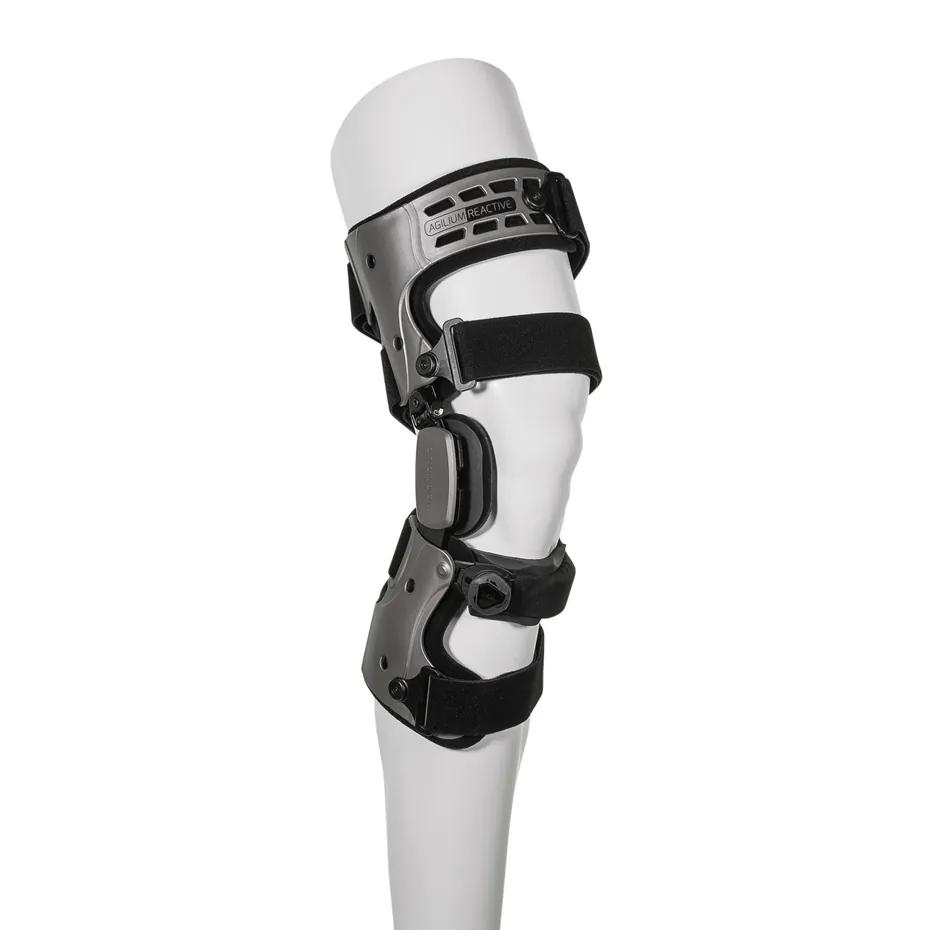
Активный коленный ортез, обеспечивающий динамическую разгрузку при медиальном или латеральном остеоартрозе коленного сустава — идеален для активного образа жизни.
Узнать больше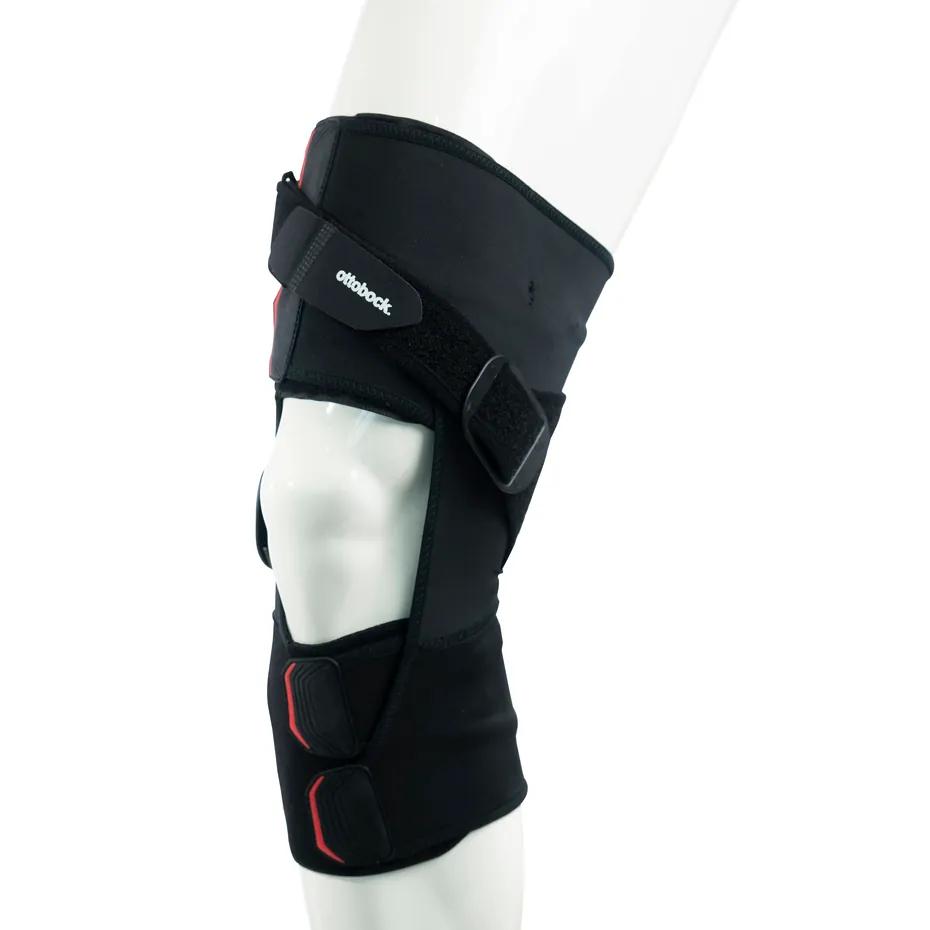
Тонкий коленный ортез, сочетающий комфорт с устойчивым облегчением боли — незаметно сидит под повседневной одеждой.
Узнать больше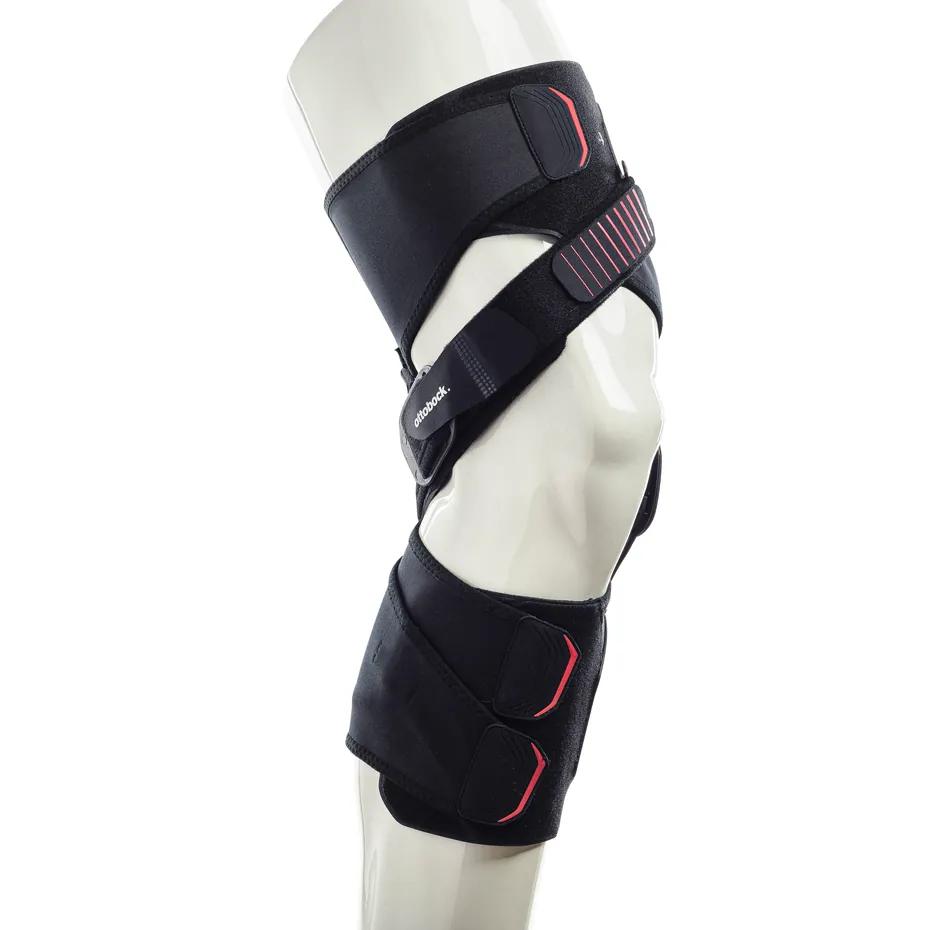
Прочный коленный ортез, обеспечивающий мощную разгрузку и стабильность при запущенном остеоартрозе коленного сустава.
Узнать больше