Ottobock Skeo Sealing Liners

Liners

Liners.

Contact us

About liners

How do prosthetic liners work?

Liners play an important role in the comfort and health of prosthetic leg users. They fit over your residual limb and go between your limb and the socket — the shell that encases your limb and connects you to your prosthesis. If you use either a vacuum or a suction suspension system, you'll also need a sealing sleeve.

The liner is a protective cover made of a flexible, cushioning material. Worn over your residual limb, it reduces movement and chafing between the skin and the socket. Liners are designed with specific characteristics to work with different suspension systems.

Selecting the right liner helps ensure that your prosthesis fits well and is comfortable to wear.
Solutions

Solutions.

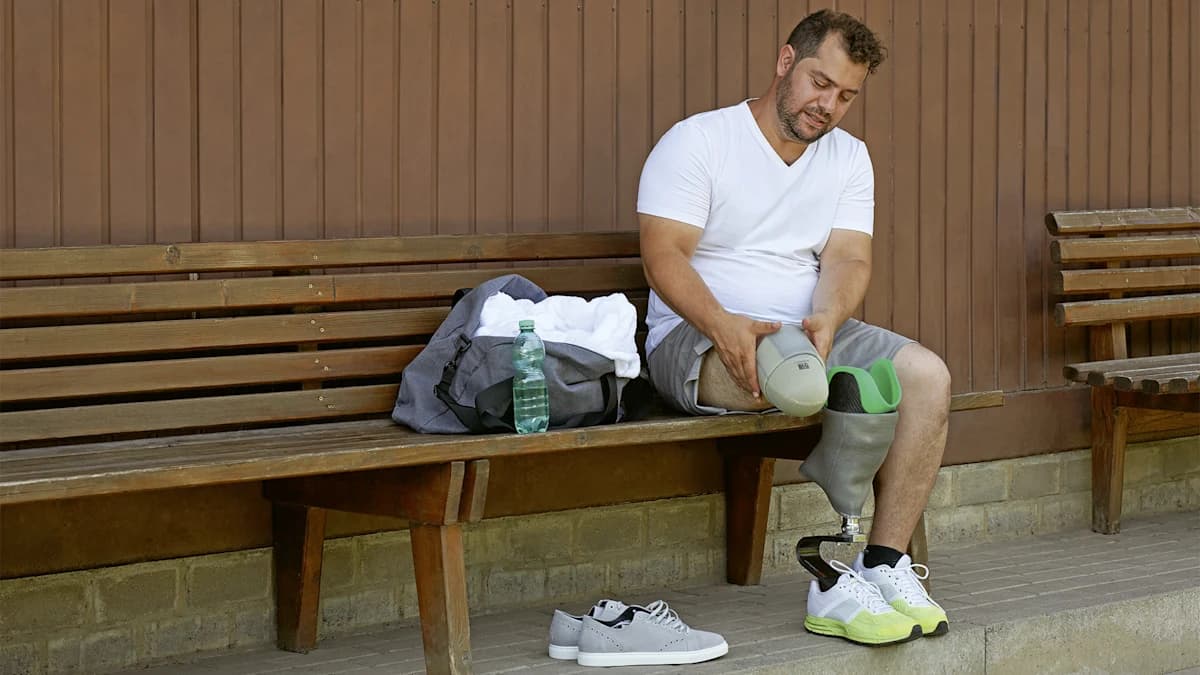
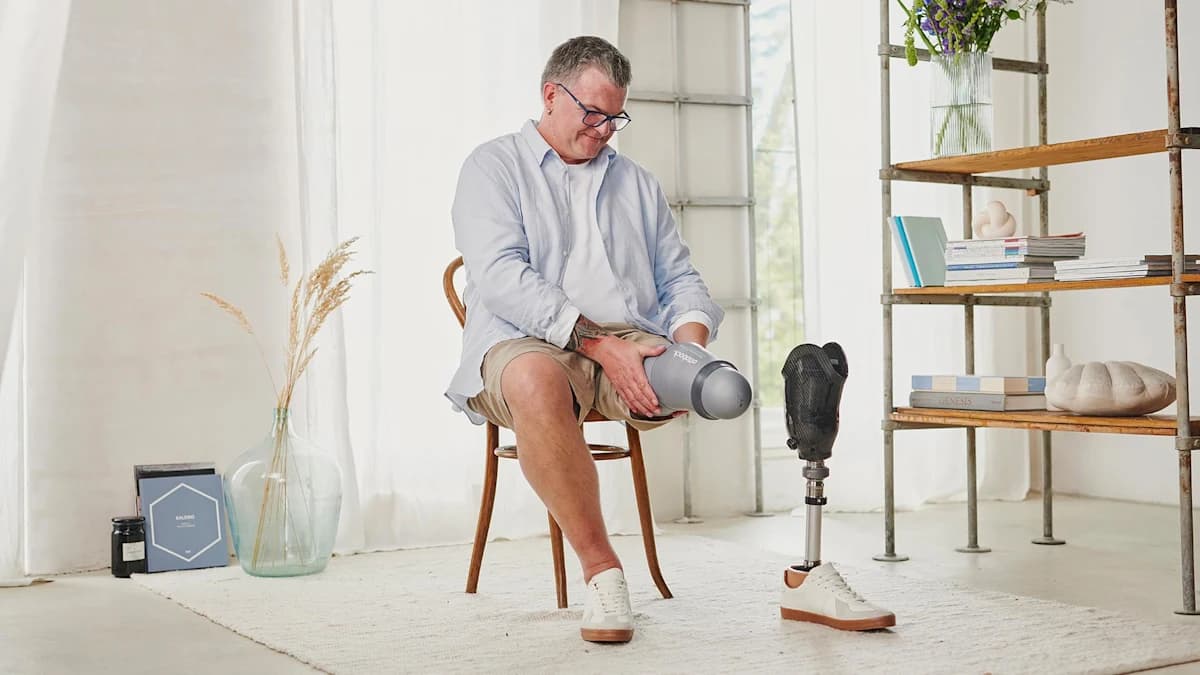
Skeo silicone liner being donned

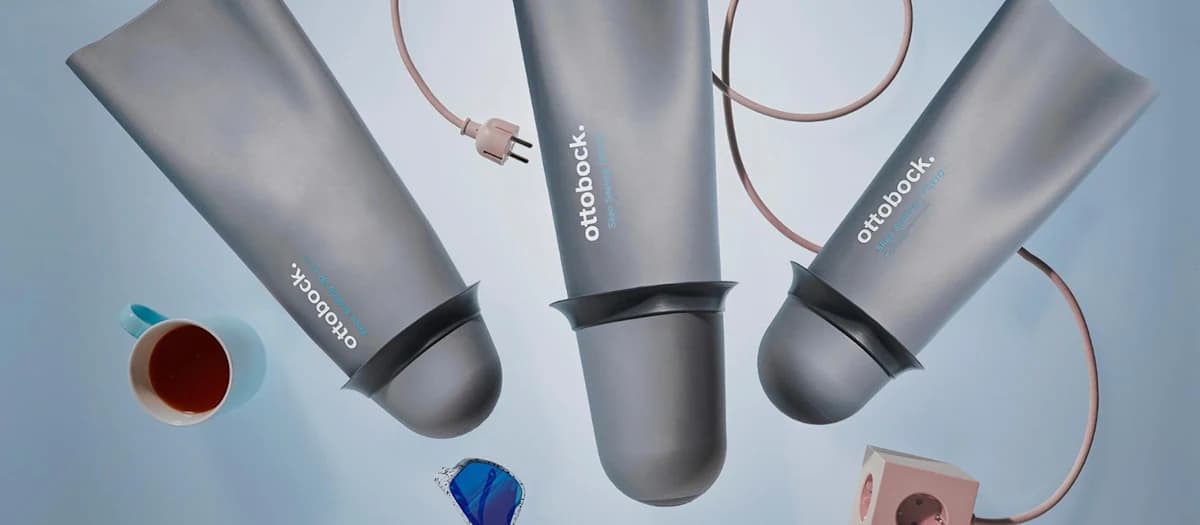
Skeo — silicone liner

Skeo liners are made from silicone and provide a high level of stability and good adhesion, while remaining very durable. Silicone liners stabilise soft tissue and are easy to use, thanks to a low-friction textile cover or silky-smooth exterior coating that is easy to clean.

Caleo copolymer liner

Caleo — copolymer liner

Caleo liners are made from copolymer — a soft, comfortable and highly elastic material. They have thermoplastic properties and can be thermoformed and adapted to the residual limb. Medical white oil in the material has a nourishing effect, ideal for users with dry skin.

Uneo polyurethane liner

Uneo — polyurethane liner

Uneo polyurethane liners deliver a precise, comfortable fit thanks to their outstanding flow properties. They help ensure excellent pressure distribution in the socket and dampen impact on sensitive, bony or scarred residual limbs.

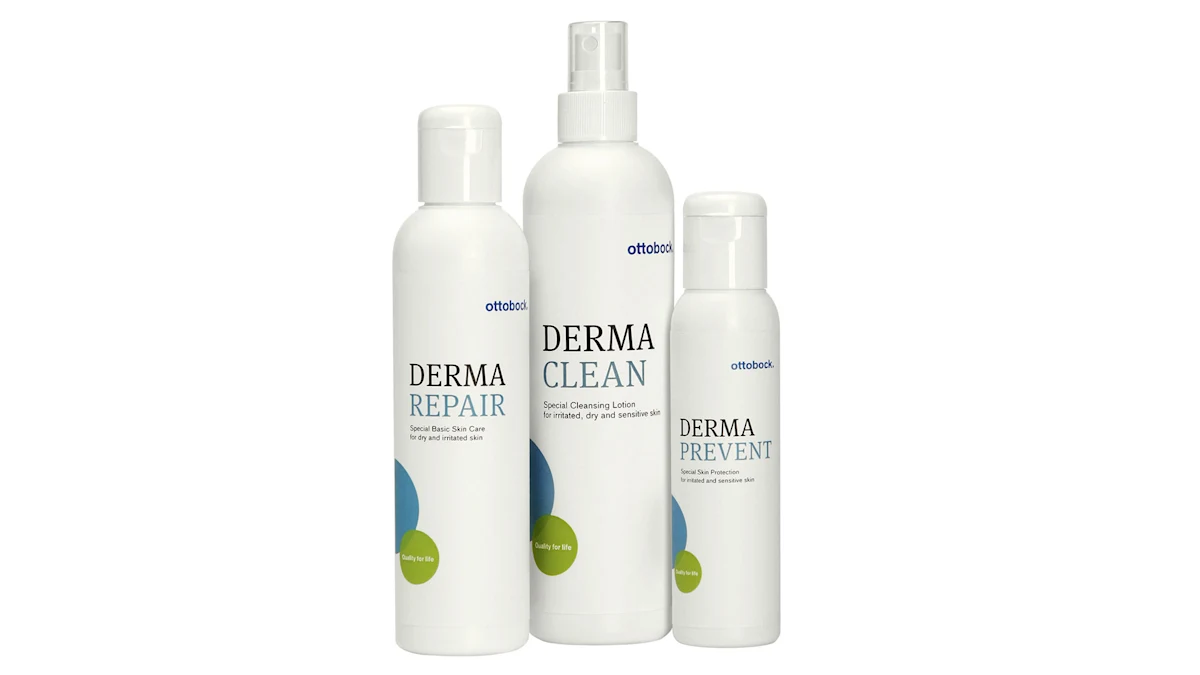
Ottobock Derma skin care products

Derma — skin care

The Derma range supports daily skin and liner care: cleansing lotions, basic skincare for irritated skin, and skin protection products that work hand-in-hand with your liner to keep skin healthy.

Frequently asked questions about liners.

Think of a liner as a kind of stocking that you pull over your residual limb. It forms the connection between your residual limb and your prosthesis. A liner offers you a comfortable and secure hold for the prosthesis while helping to relieve and protect your residual limb.

Check whether your residual limb and the inside of the liner are dry before donning the liner. Then turn the liner inside out as far as possible and hold it so that the bulge at the lower end (cap) is facing you. Place this bulge at the end of your residual limb and roll the liner up evenly and carefully. You can then don the residual limb sock. Avoid displacing soft tissue and forming wrinkles or air pockets. Do not pull on the edge of the liner or damage the surface with sharp fingernails or other sharp objects.

The liner is donned just like a liner without a pin. However, if there is a pin, it must point in the direction of the lengthwise axis of the residual limb. For better alignment, use markings that you and your prosthetist have determined together. When you then don the residual limb sock, it must be pulled on so that the pin remains free. The pin is pulled through the hole at the lower end of the sock.

Liners without a textile cover have a smooth exterior coating to make donning easier. For silicone liners (Skeo product range) you can also use a donning spray; for polyurethane liners (Uneo product range) there are special lubricating creams that you can apply. Please do not use any powder.

The liner is simply rolled down. Please ensure that the edge of the liner does not roll up into a bulge that compresses the tissue.

Your liner should be cleaned after every use, at least once daily. Turn the liner inside out and wash it under lukewarm water with the special Derma Clean neutral cleaning lotion. Then rinse it thoroughly and dry the inside with a lint-free towel. Afterwards, turn the liner right side out again and clean the outside as well under running water or with a damp cloth. Please note: do not put the liner in the washing machine or dryer. Use only your hands and no other utensils to wash the liner. Do not use soaps with scented or dye additives or any antibacterial cleaning agents containing alcohol.

Allow your liner to dry on the liner drying stand so that it keeps its shape. The stand is available in two sizes for thigh (transfemoral) and lower leg (transtibial) liners. Please do not place your liner on a heater or in the sun to dry.

You can prevent pressure points and abrasion with proper skin care. Mild cleaning: use a special cleaning lotion to cleanse your skin. Spray it on, massage it into the skin, then rinse it off well and dry your skin. Help for irritated skin: apply a special basic skincare product in the evening after cleaning. It moisturises and soothes irritated skin, improves circulation and supports regeneration. Protection: if you wear a silicone liner (Skeo product range), you can rub a drop of special skin protection onto your skin before donning the liner. This protects the skin, has an antibacterial effect, and prevents excessive perspiration and odour.

Perspiration may increase during the first few weeks in particular. You should therefore clean the liner several times a day; we also recommend keeping a replacement liner close to hand. If these measures do not lead to improvement, ask your prosthetist for advice. There may be various reasons — from a poor liner fit to the wrong type of liner material.

Red stripes can appear with silicone liners, particularly in areas where the liner moves a lot on the skin, e.g. on the kneecap or at the edge of the liner. Please contact your prosthetist, who will work with you to find a solution.

The Skinguard antibacterial additive protects the liner from bacteria and the resulting unpleasant odours. Skinguard supports hygiene, which cannot be achieved just by washing the liner daily. However, Skinguard is not a substitute for daily care — daily cleaning is the only way to remove grease and oil, for example.

Steam sterilisers are suitable only for cleaning silicone liners, so Ottobock's Skeo products can be cleaned by them. However, to provide a customised fitting that meets specific needs we use other materials for some of our products, such as the Caleo and Uneo liners. These liners are not suitable for cleaning in steam sterilisers.

The QuickValve is used in combination with a sealing sleeve or a liner with a lip (sealing liner) to generate a vacuum in the prosthetic socket. This reduces friction and shear forces during the swing phase. During the stance phase, your body weight pushes excess air in the prosthetic socket out of the socket through the valve. The expulsion valve can be opened manually by turning, allowing you to take off the socket or to sit more comfortably.

Find the right liner for your prosthesis.

Talk to our expert team to choose the liner that best matches your residual limb, suspension system and lifestyle.

Contact Us
Get a free consultation