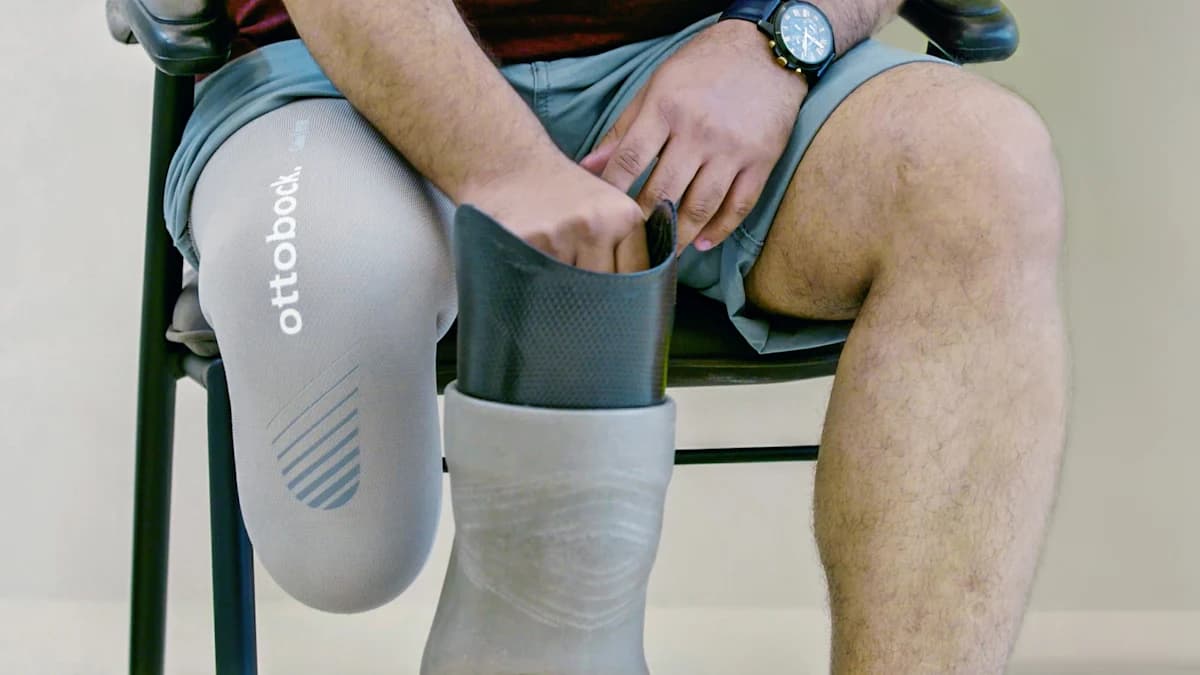
نظام الصمام أحادي الاتجاه + جراب الركبة
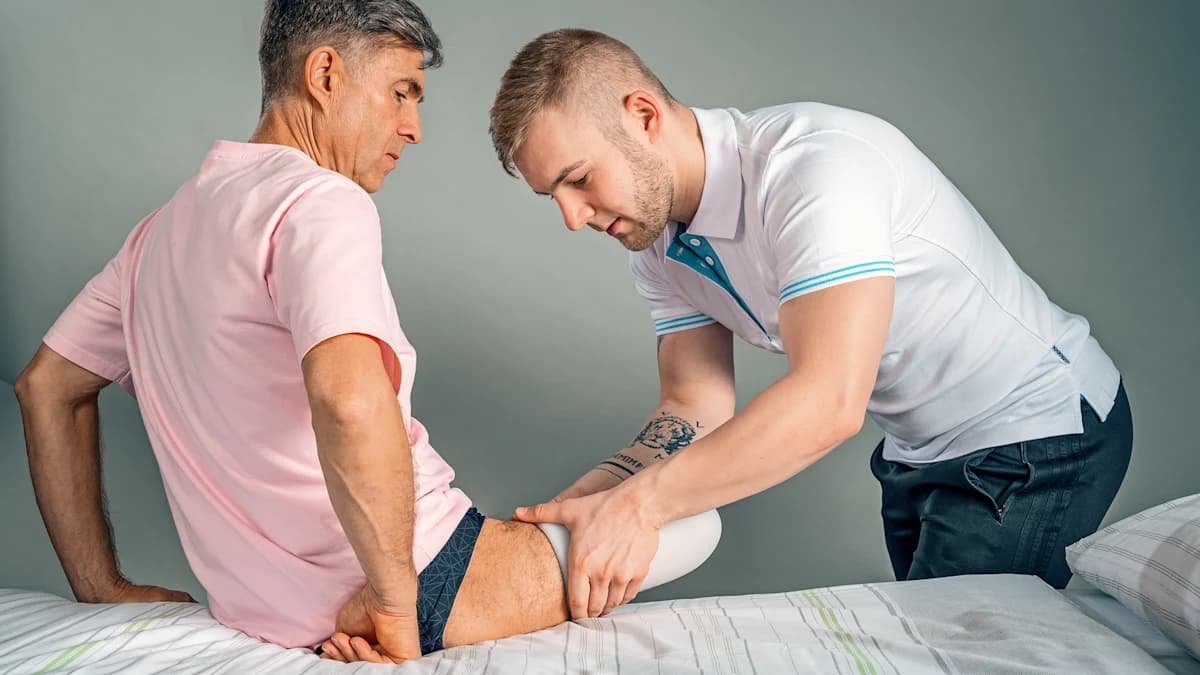
كيف يرتدي مبتور الطرف تحت الركبة طرفًا اصطناعيًا مصممًا بتركيبة شائعة من المقبس والبطانة الداخلية.
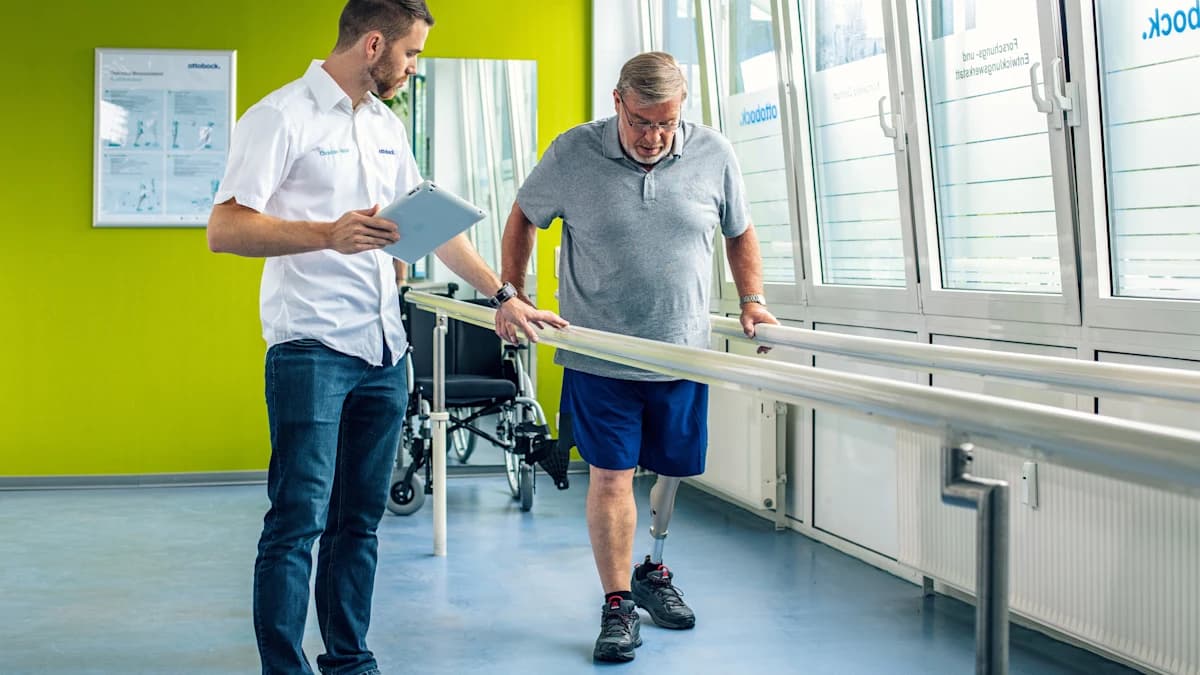
تثقيف المريض
أثناء تأقلم مريضك مع طرفه الاصطناعي الأول، ينبغي أن ينصبّ تركيزك بشكل كبير على مساعدته في اكتساب المهارات الأساسية التي يحتاجها للحياة اليومية بعد فقدان الطرف السفلي. على سبيل المثال:
إذا كان للمريض مقدّم رعاية، فمن المهم إشراكه طوال مراحل التعافي والتركيب والتدريب. قد يساعد المريض في التعامل مع طرفه الاصطناعي في البداية، إلا أن الهدف النهائي هو أن يتعلم المريض كيفية التحكم بجهازه والعناية به بنفسه.
الخطوات الأولى
من أوّل المهارات التي يحتاج مستخدمو الأطراف الاصطناعية الجدد إلى تعلّمها كيفية ارتداء الطرف وخلعه. وهناك طرق متعددة للقيام بذلك، تبعًا لنوع الطرف الذي يستخدمه المريض وحالة الطرف المتبقي لديه. ويوضّح المثالان أدناه أسلوبين شائعين — أحدهما لمستخدم بتر تحت الركبة (TT) والآخر لمستخدم بتر فوق الركبة (TF).
كيف يرتدي مبتور الطرف تحت الركبة طرفًا اصطناعيًا مصممًا بتركيبة شائعة من المقبس والبطانة الداخلية.
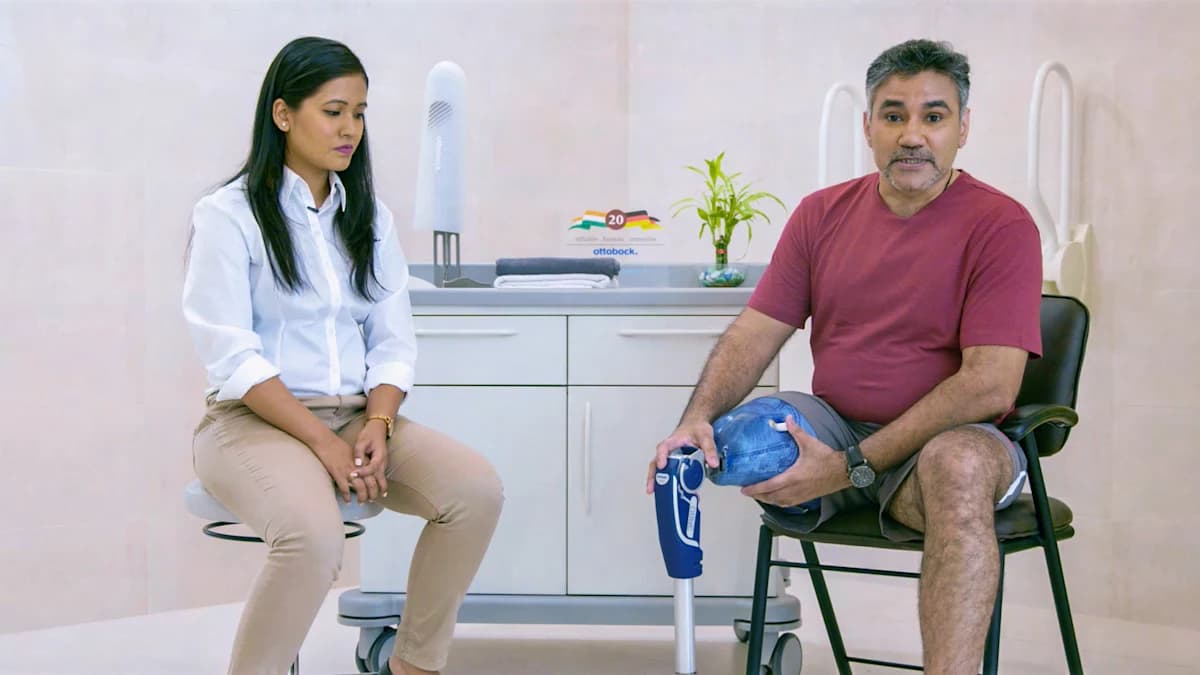
كيف يرتدي مبتور الطرف فوق الركبة طرفًا اصطناعيًا بتركيبة مقبس أكثر تعقيدًا ولكنها سهلة الاستخدام.
خطوة بخطوة
بمجرد أن يتم تركيب طرف اصطناعي جديد للمريض للمرة الأولى، ينبغي البدء ببرنامج تدريب مشي مصمّم خصيصًا بما يتناسب مع المكونات المختارة لحل الطرف الاصطناعي الجديد.
عندما يتأقلم مريضك مع طرف اصطناعي جديد، فمن الضروري أن يتعلم كيف يثق بساقه الجديدة. ركّز على مساعدته في استعادة توازنه وبناء ثقته بنفسه: ابدأ بشرح وظائف الطرف الاصطناعي الجديد وتسلسلات الحركة اليومية التي يدعمها — لا سيما القدم الاصطناعية لمستخدمي بتر تحت الركبة، والركبة الاصطناعية لمستخدمي بتر فوق الركبة.
بما أن دورة المشي تتكوّن من نحو 60% من طور الوقوف و40% من طور التأرجح، فإن طور الوقوف غالبًا ما يكون أفضل نقطة انطلاق عند تدريب المستخدمين الجدد. وقد يعاني الكثيرون من عدم التماثل الجديد في مشيتهم — إذ يكون طور الوقوف على الجهة المصابة أقصر بشكل ملحوظ. ولمساعدتهم على تجاوز هذا التحدي، ركّز على كلٍ من التحكم في بداية طور الوقوف وفهم كيفية تأرجح الجهاز بمجرد أن يبدأ بالحركة.
فيما يلي بعض التمارين التي قد تساعد مريضك على بناء كل من قوته وثقته بطرفه الاصطناعي:
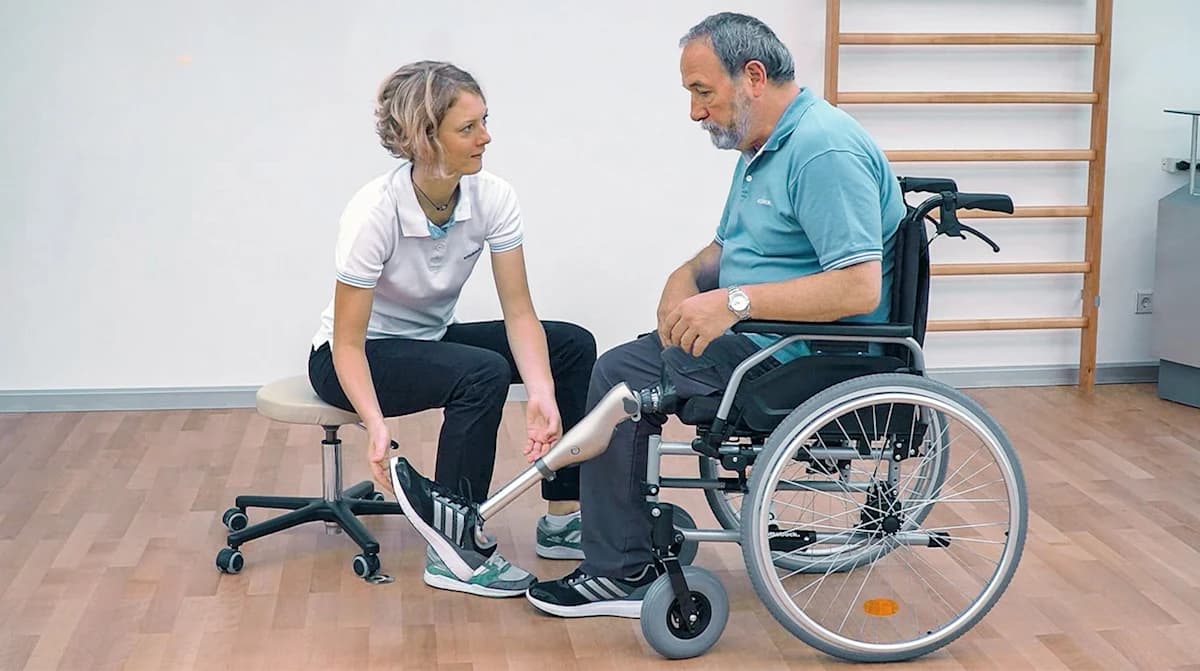
ساعد مريضك على التأقلم مع طرفه الاصطناعي الجديد بالبدء بحركات بسيطة ذهابًا وإيابًا من الجهة السليمة إلى الجهة المصابة.
ركّز على جذع المستخدم وساقه المصابة، وكذلك على تحقيق وضعية متوازنة للجسم بأكمله أثناء الوقوف والمشي.
ساعد مريضك على إتقان هذه الحركات التي تبدو بسيطة من خلال تعليمه كيفية موازنة الحِمل باستمرار على كلٍ من الجهة السليمة والجهة المصابة.
اطلب من مريضك التدرّب على توزيع الحِمل بالتساوي على كلٍ من الجهة السليمة والجهة المصابة عند بداية كل خطوة.
خصّص وقتًا كافيًا للأنشطة الأكثر شيوعًا لدى مريضك لبناء ثقته في مواقف الحياة الواقعية.
موارد
تعرض قائمة التشغيل Kenevo Gait Training for Professionals تمارين بمختلف أوضاع Ottobock Kenevo A وB وC.
افتح قائمة التشغيل على يوتيوبمقاييس النتائج
بالنسبة لمعظم مبتوري الأطراف السفلية، فإن عملية التأهيل الناجحة هي تلك التي تعيدهم إلى حياتهم اليومية وعملهم.
أما بالنسبة لأخصائي العلاج الطبيعي أو أخصائي الأطراف الاصطناعية، فإن تقييم تقدم المريض نحو هذا الهدف يتطلب فهمًا جيدًا لمستوى حركة المريض قبل البتر وبعده. ولا تزال المقارنات بين ما قبل العلاج وما بعده من أكثر الطرق فاعلية لتوثيق التأهيل الناجح — للمرضى أنفسهم، ولعيادتك، وخصوصًا لجهات الدفع.
فيما يلي مجموعة من الأدوات التي تُستخدم بكثرة لتقييم وقياس الأبعاد المختلفة لتقدم مريضك خلال العلاج.

ثلاثة اختبارات قائمة على الأداء ومُعتمدة ومُعيارية يمكن استخدامها لتقييم مستويات الحركة الحالية والتحسن بعد العلاج والتدريب. ويمكن استخدام كلٍ منها مع جميع درجات الحركة، باستخدام أدوات قليلة وفي وقت قصير.
يقيس القدرة على التنقّل لدى مبتوري الأطراف السفلية، مع استخدام الطرف الاصطناعي ومن دونه. وهو طريقة فعّالة لتقييم حركة المريض قبل التركيب والتنبؤ بمستوى الأداء الوظيفي الذي سيحققه المستخدم.
تقييم سريري للتوازن الديناميكي والتناسق من خلال قياس قدرة المشاركين على تخطّي عوائق إلى الأمام والجانبين والخلف.
اختبار واسع الاستخدام لتقييم الحركة والتوازن والقدرة على المشي وخطر السقوط — لا سيما لدى كبار السن.
ثلاثة استبيانات للنتائج المُبلَّغ عنها من قِبل المريض يمكن استخدامها لجمع تصوّرات المرضى الخاصة عن مدى تقدمهم. ورغم أن النتائج المُبلَّغ عنها من قِبل المريض كثيرًا ما تتضمن تقييمات ذاتية، فإن هذه الأدوات لا تزال قادرة على تقديم معلومات تشخيصية قيّمة للأطباء.
تقييم ذاتي مكوّن من 16 بندًا لقياس ثقة المرضى في توازنهم أثناء أداء أنشطة متنوعة.
أداة تقييم ذاتي لقياس حركة البالغين من مبتوري الأطراف السفلية، تركّز على القدرة على التنقّل عمدًا وباستقلالية من مكان إلى آخر.
تقييم وصفي ذاتي يركّز على خمسة أبعاد لجودة حياة المرضى: الحركة، والعناية الذاتية، والأنشطة المعتادة، والألم/عدم الراحة، والقلق/الاكتئاب.
المزيد من مواضيع العودة إلى الحركة
دليل خطوة بخطوة لما يجب أخذه بعين الاعتبار وكيفية تهيئة مرضاك وذويهم لعملية بتر مخطط لها.
اعرف المزيد ›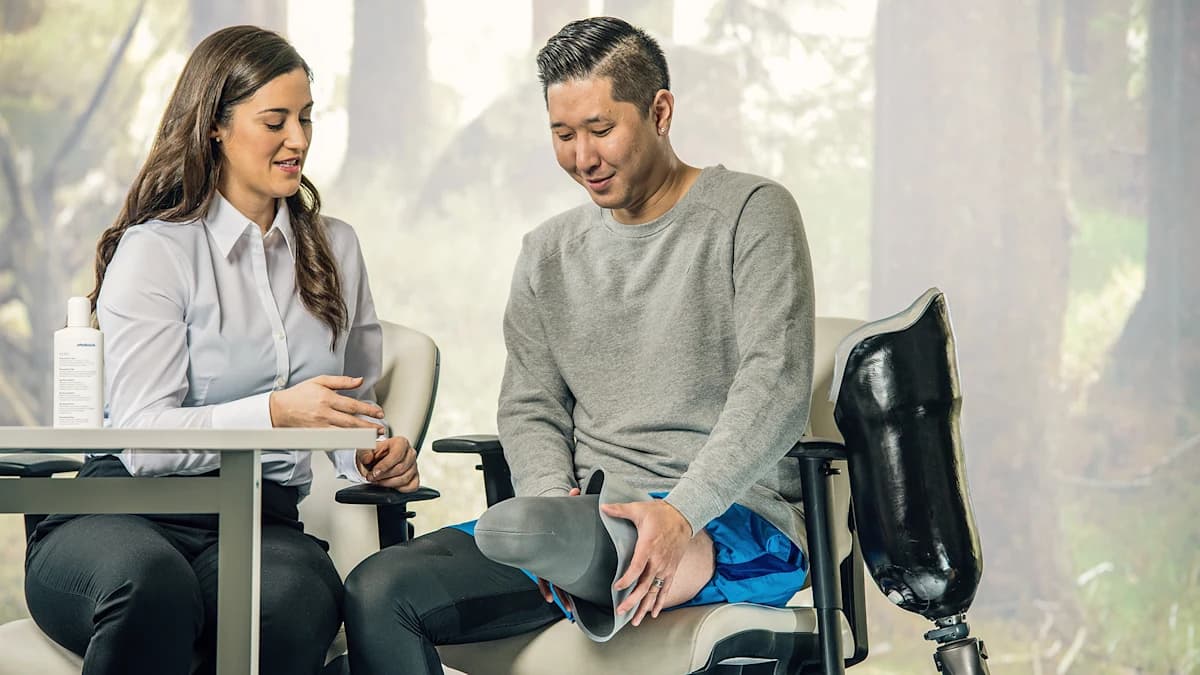
هيّئ مرضاك لأول جلسة تركيب لطرفهم الاصطناعي ولاستعادة قدرتهم على الحركة. وتعرّف أيضًا على المزيد حول مكونات الساق الاصطناعية.
اعرف المزيد ›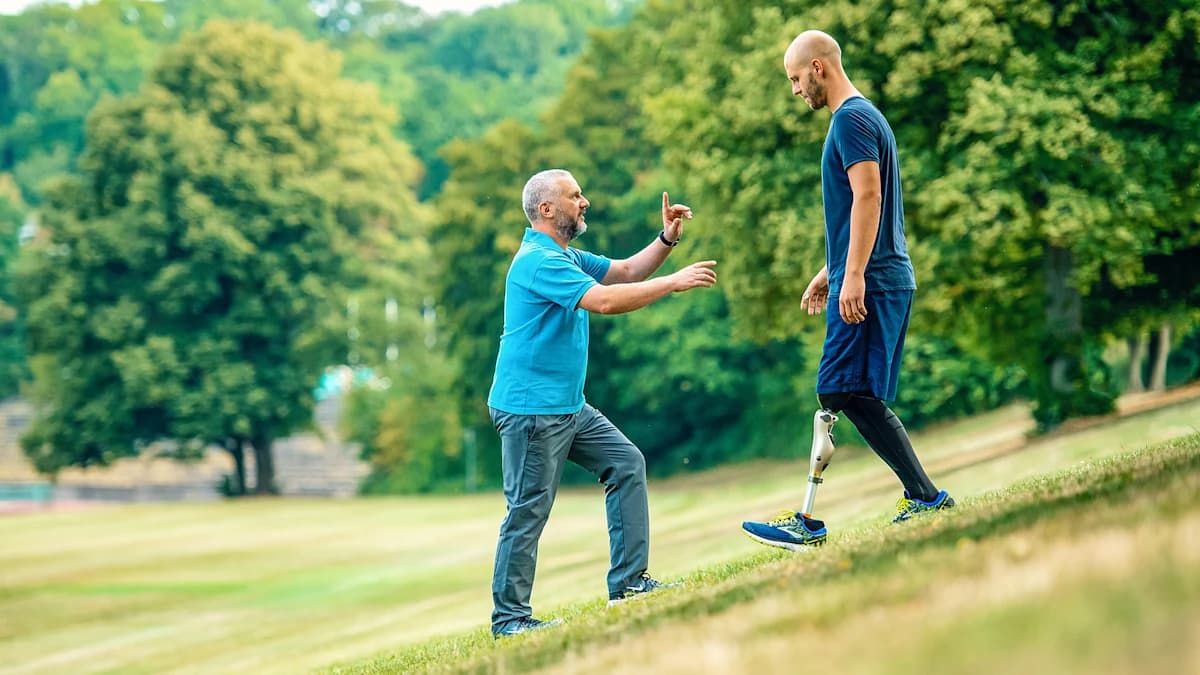
دعم مرضاك لاستئناف أنشطتهم اليومية باستخدام ساقهم الاصطناعية.
اعرف المزيد ›هل تتطلع إلى تحقيق أقصى النتائج الممكنة باستخدام منتجات Ottobock؟ تحدّث مع فريقنا حول تدريب الأخصائيين والمنتجات والموارد التي تدعم إعادة تأهيل المشي.
تواصل معنا