(F) Face drooping — Is one side of the face numb or drooping? Ask the person to smile; does one side appear uneven?
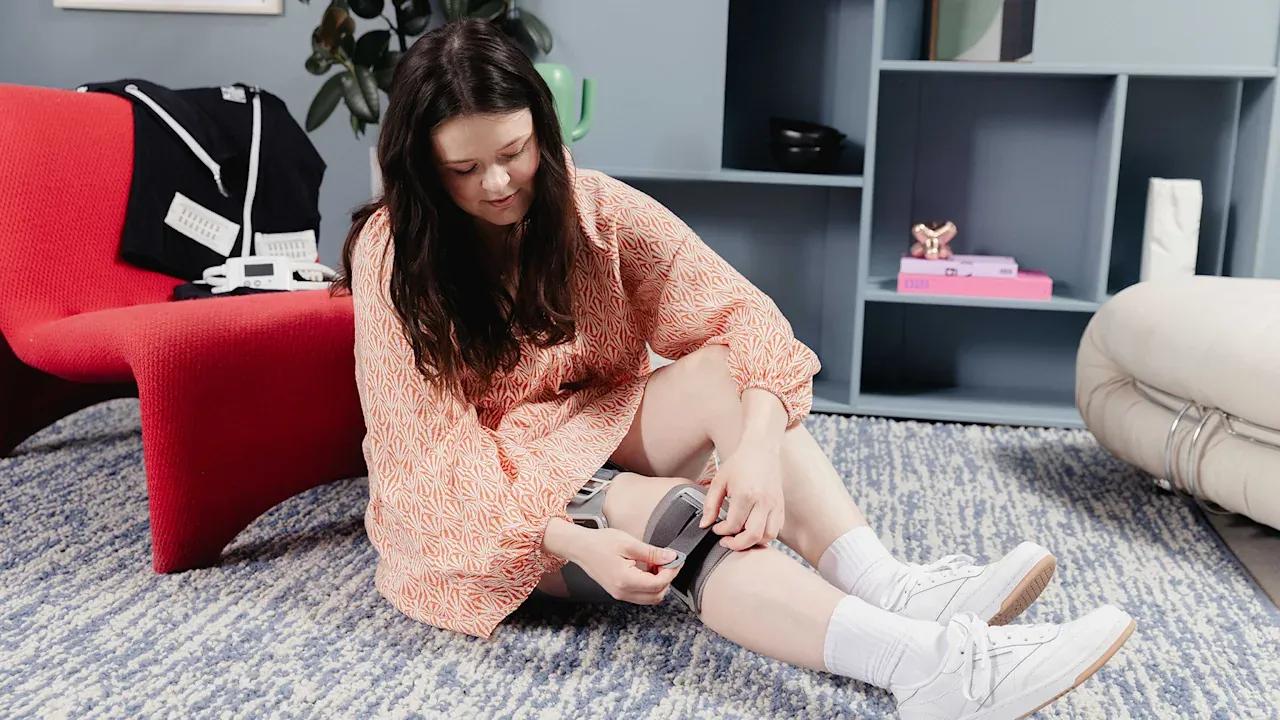
Regaining mobility after a stroke.
Life after a stroke comes with challenges — but also opportunities for recovery. Learn how stroke affects mobility, what you can do to support rehabilitation, and how Ottobock NeuroMobility solutions can help.
Get in TouchSummary
A stroke can happen suddenly and often leaves you with countless questions. If you or someone you care about is facing this challenge, you're not alone. This page aims to shed light on the journey: from understanding the different types of stroke to recognising the urgent F.A.S.T. warning signs. Most importantly, we'll explore how mobility can be supported during recovery, both with rehabilitation and with the help of orthotic and NeuroMobility solutions.
What is a stroke?
A stroke is a sudden and serious event that affects the brain. It happens when blood flow to part of the brain is blocked, or when a blood vessel bursts. Without oxygen and nutrients, brain cells begin to die within minutes. This is why stroke is always a medical emergency.
Stroke is one of the world's biggest health challenges. Every year, around 12.2 million people worldwide experience a stroke (WHO, 2023). It is the second leading cause of death and one of the main reasons for long-term disability. In fact, 1 in 4 adults over the age of 25 will have a stroke at some point in their life.
Although stroke is more common in older adults, it can affect people at any age. About 1 in 7 strokes happens in younger adults between 15 and 49, and cases are increasing — even in children and adolescents. In rare cases, strokes can even occur before birth and cause lifelong challenges.
But there is also good news: with the right treatment, rehabilitation, and support, recovery and progress are possible. Many people regain abilities, rebuild independence, and continue to live fulfilling lives. Knowing the facts is the first step toward recognising stroke early and taking action that can save a life.
Risk factors for strokes
Top risk factors you can control:
- •High Blood Pressure: One of the most common causes of stroke. High blood pressure weakens and damages your arteries, making them more prone to blockages. You can keep it under control with a balanced diet, regular exercise, and medication if prescribed.
- •Smoking: Smoking (including vaping) seriously harms your blood vessels, thickens your blood, and greatly increases the risk of clots. Quitting is one of the most powerful steps you can take to protect your health.
- •Heart Problems (especially Afib): Conditions such as an irregular heartbeat (Atrial Fibrillation or AFib) can cause blood to pool in the heart, leading to clots that may travel to the brain.
- •Diabetes and High Cholesterol: Raised blood sugar and cholesterol levels can damage arteries over time, causing fatty deposits (plaque) that restrict blood flow or form clots.
- •Unhealthy Lifestyle: Lack of exercise, being overweight, and eating too much salt or saturated fat all contribute to the major risk factors above. Small, consistent lifestyle changes can make a big difference.
What are the 5 warning signs of a stroke?
The easiest way to remember the common and critical warning signs of a stroke is the acronym F.A.S.T. Recognising these symptoms quickly is vital, as acting immediately can save lives and protect brain function.
(A) Arm weakness — Is one arm weak or numb? Ask the person to raise both arms; does one drift downward?
(S) Speech difficulty — Is their speech slurred, hard to understand, or confused?
(T) Time — act fast: If any of these signs appear, call for emergency medical help immediately. Note the time the symptoms started. Don't hesitate or worry about feeling embarrassed; if you suspect a stroke, always call for help straight away.
Additional warning signs: sudden severe headache, dizziness, or vision changes.
What are the different types of stroke?
Ischemic Stroke (≈85% of cases globally)
The most common type of stroke occurs when a blood clot blocks a blood vessel in the brain, cutting off oxygen to brain cells.
Hemorrhagic Stroke (≈15% globally)
This type of stroke happens when a blood vessel in or around the brain bursts, causing bleeding. The blood damages brain tissue and increases pressure inside the skull.
What are the typical effects of a stroke?
A stroke can affect many aspects of life, depending on its severity and which part of the brain is affected. Common effects include:
- •Speech — Difficulty speaking clearly or finding the right words.
- •Swallowing & eating — Trouble eating or drinking safely.
- •Memory & thinking — Forgetfulness, confusion, or problems concentrating.
- •Emotions — Anxiety, depression, mood swings, or sudden changes in emotion.
- •Mobility — Weakness, balance problems, or difficulty moving arms or legs.
How does a stroke affect mobility?
A stroke can affect the brain's control of movement. Common challenges include:
- •Paresis — Weakness in the muscles of the arms, legs, or trunk.
- •Hemiplegia — Loss of movement on one side of the body.
- •Spasticity — Stiff or tight muscles.
- •Foot drop — Difficulty lifting the front of the foot.
- •Balance and coordination problems — Increased risk of falls.
- •Contractures — Shortened muscles or joints if not treated.
- •Gait changes — Dragging a foot or uneven walking steps.
Three key phases in regaining mobility
Stroke recovery is a gradual, personal journey, and progress can take time. It often involves a team of specialists: physiotherapists to support walking and balance, occupational therapists to help with daily tasks, orthotists for supportive devices, speech and language therapists for communication, and psychologists for emotional well-being.
Phase 1: Emergency care and stabilisation
Acute stroke treatment takes place in hospital and focuses on rapid, life-saving care to reduce long-term effects. This may include MRI or CT scans, as well as interventions to treat blocked or burst blood vessels. Once patients are stable, gentle early movement may begin to protect mobility and support recovery.
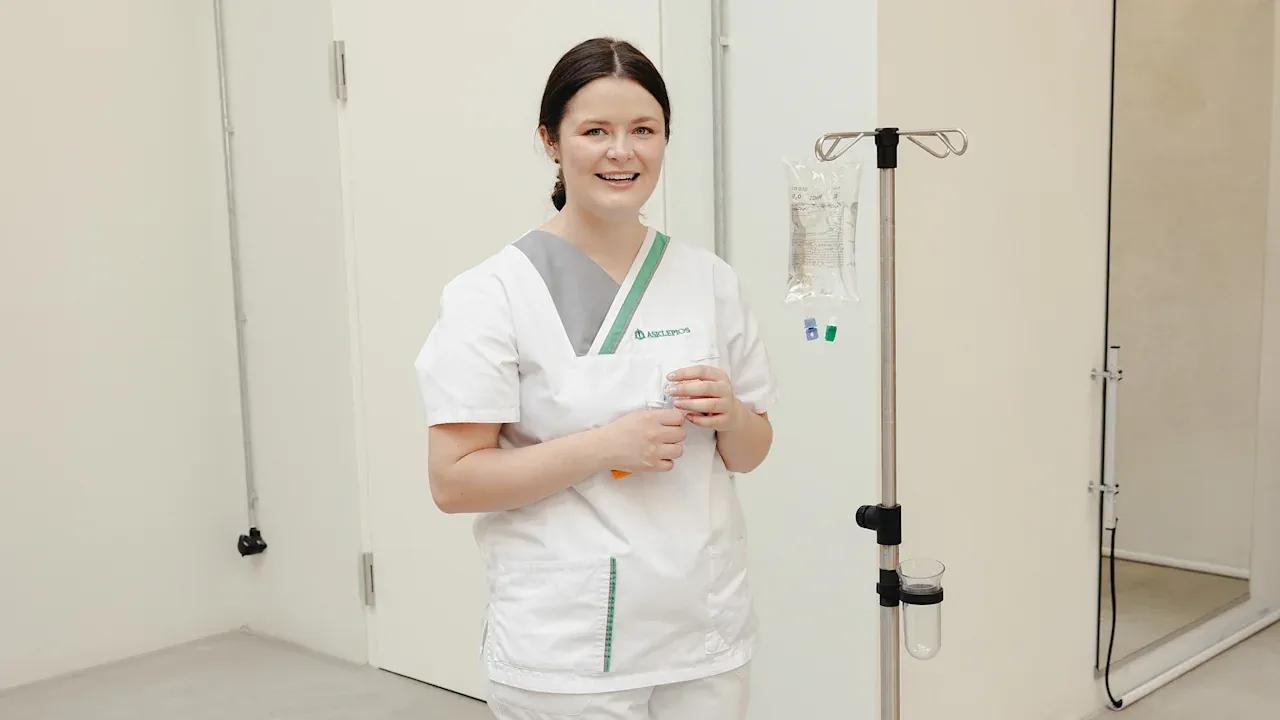
What is immediate treatment for stroke?
The aim of treating an ischaemic stroke is to quickly dissolve or remove the clot and restore blood flow to the brain.
The most common initial treatment is clot-busting medication (Thrombolysis). This involves an intravenous (IV) injection of a drug such as tPA (tissue plasminogen activator). This medication is very effective at dissolving clots, but it is extremely time-sensitive and must be given within 3 to 4.5 hours of symptoms starting.
For patients with a large blockage, a neurosurgeon may perform clot removal surgery (mechanical thrombectomy). This procedure involves threading a specialised catheter through an artery, usually in the groin, up to the blocked vessel in the brain, and using a device (such as a stent retriever) to physically remove the clot.
Hemorrhagic Stroke (caused by bleeding) requires different management — controlling blood pressure, reducing pressure inside the skull, and sometimes surgical intervention to repair the vessel or remove blood.
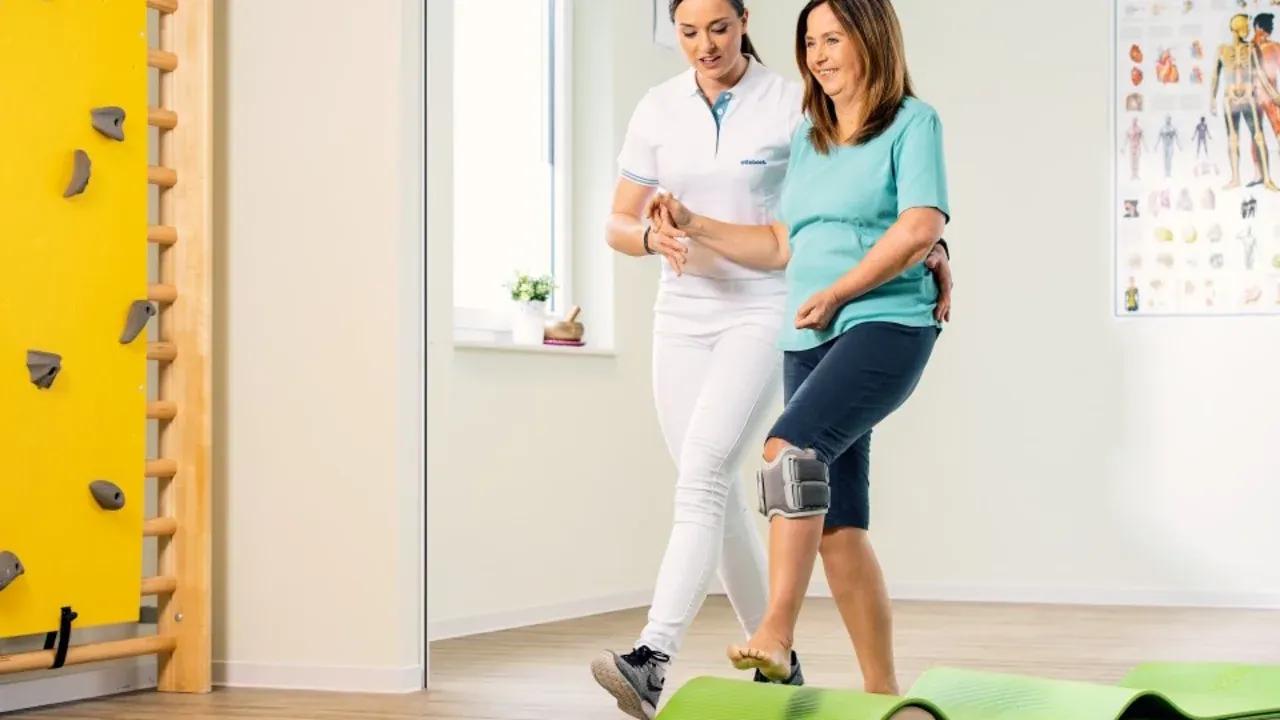
Phase 2: Rehabilitation
After leaving hospital, recovery continues with rehabilitation — a vital step in regaining strength, movement, and confidence in daily life. Rehabilitation can take different forms depending on your needs:
- •Inpatient rehabilitation — Takes place in a specialised stroke unit or rehabilitation centre for people who need more intensive therapy and support. A multidisciplinary team including physiotherapists, occupational therapists, speech and language therapists, and psychologists work closely with you.
- •Community or outpatient rehabilitation — For those with milder symptoms, therapy can continue at home or in local community rehabilitation centres. You may attend regular sessions with physiotherapists, and community rehabilitation teams can visit you at home to provide support and guidance.
Your recovery plan may include:
- •Physiotherapy to improve strength, balance, and walking.
- •Occupational therapy to make everyday tasks easier (bathing, dressing, cooking).
- •Neuroplasticity exercises — guided, repetitive movements to help the brain rebuild lost connections.
- •Assistive training with tools such as bars, harnesses, or other devices to make movement safer and more comfortable.
Phase 3: Long-term care, at home
Recovery continues at home, where daily routines play a key role. This phase focuses on:
- •Ongoing exercises and safe movement to maintain progress.
- •Adapting the home to support independence.
- •Regular check-ins with rehab teams or therapists.
Mobility goals: Maintain the gains made during rehab while continuing to improve strength, balance, and everyday function. Common activities may include stretching, practising walking with aids, repetitive movement exercises, and guided adaptive movements to help rebuild muscle memory and confidence.
Supporting mobility at home
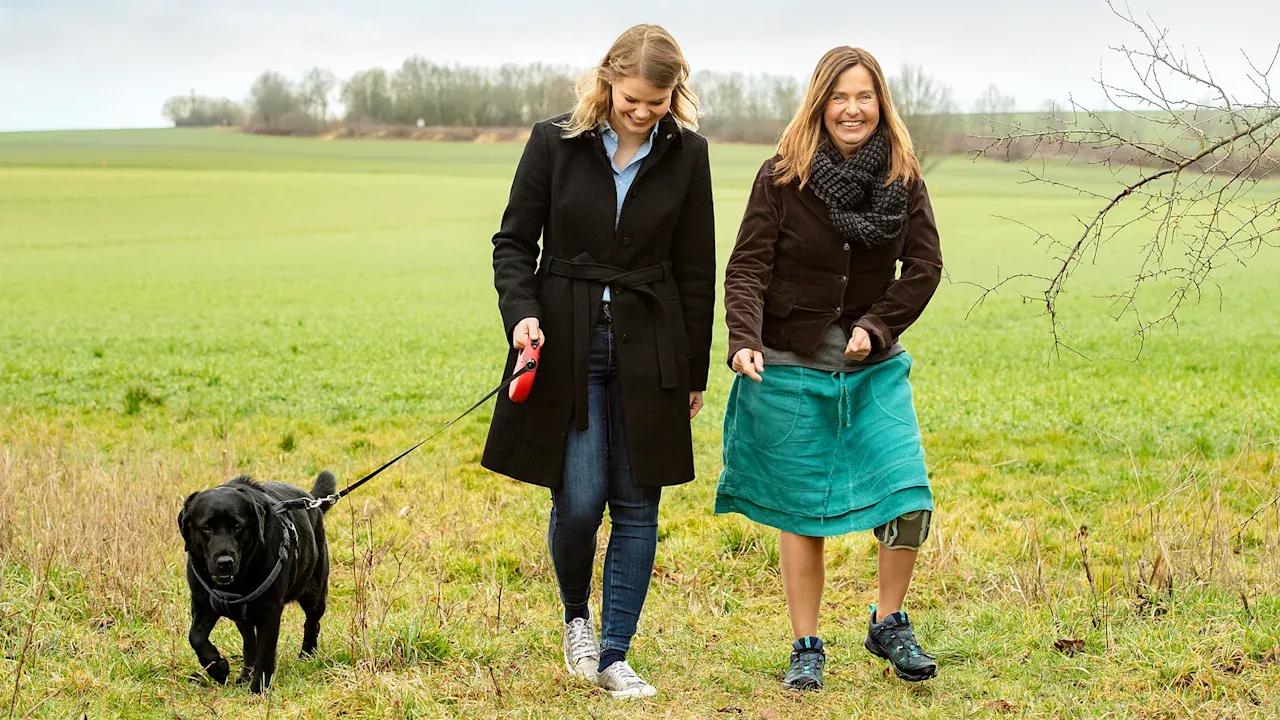
Helping stroke survivors improve mobility at home can be safe, effective, and motivating with a few simple, practical strategies:
Make the home safe — Remove trip hazards, ensure good lighting, and use grab rails or non-slip mats where needed to reduce the risk of falls.
Build movement into each day — Take short, supported walks, practise sit-to-stand exercises, and gently stretch tight muscles.
Track progress — Use simple tools like a notebook, app, or journal to record exercises and improvements; small wins are powerful motivators.
Adapt activities — Modify everyday tasks (dressing, cooking, hobbies) so they remain achievable and enjoyable.
Stay connected — Share progress and challenges with family, friends, and rehab teams; emotional support is just as important as physical recovery.
Mobility supporting products & resources
Many stroke survivors benefit from mobility aids and technologies that support movement, independence, and recovery, ranging from simple everyday tools to advanced neurotechnology.
Mobility aids
Canes, crutches, and walkers provide vital support, helping to reduce the risk of falls and improve stability and confidence while moving. Using the right aid can make everyday activities safer and more comfortable, supporting independence and recovery.
Neuromodulation technologies
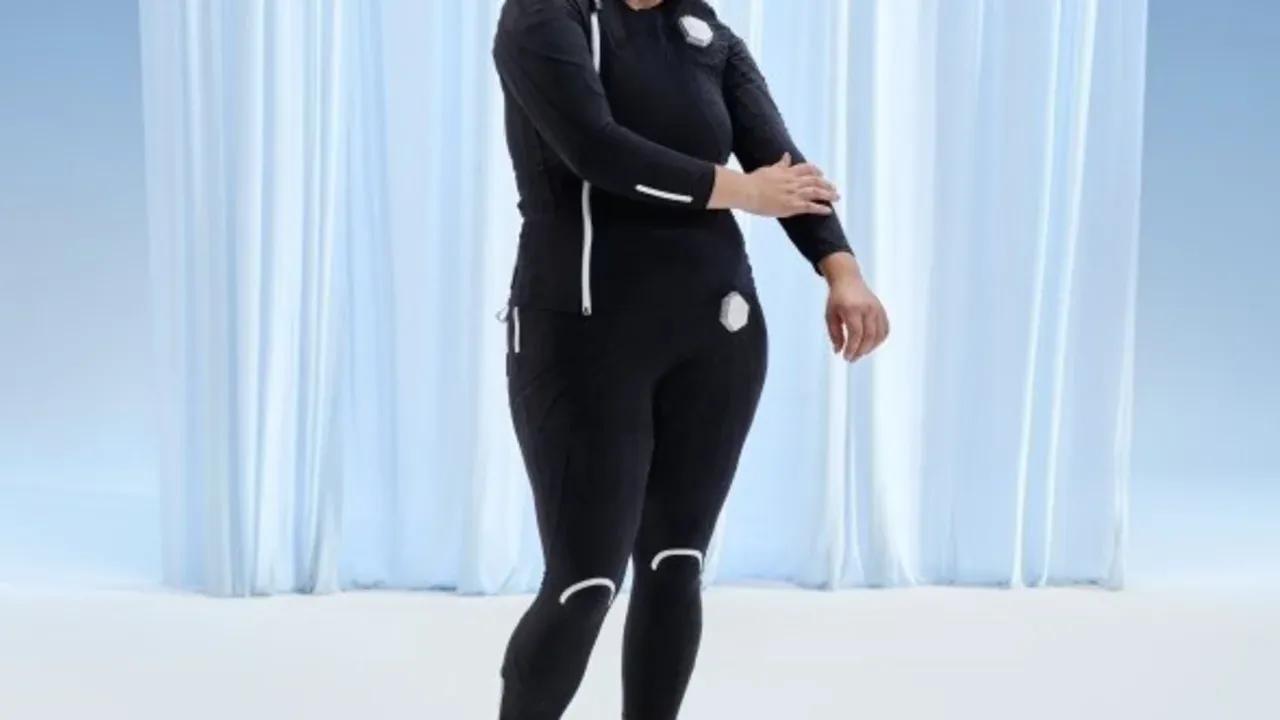
Devices such as the exopulse suit use gentle electrical stimulation to manage muscle tone and improve movement control after a stroke. By targeting nerves and muscles, these tools can reduce spasticity, increase range of motion, and make daily activities more comfortable.
Discover exopulse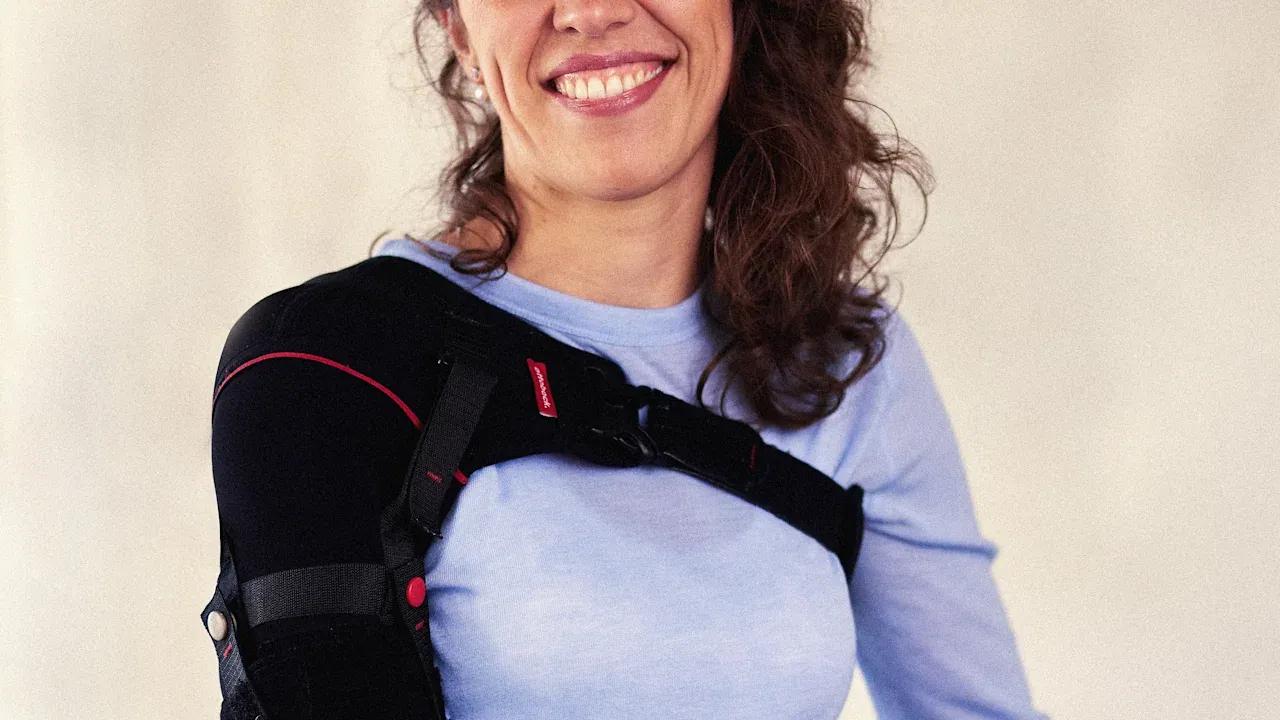
Orthotic braces
Worn on the arms or legs, these braces stabilise joints, guide movement, and support weak muscles. Examples include the WalkOn family and Neurexa family (Genu, Omo, Manu).
Discover WalkOnFunctional Electrical Stimulation (FES)
Devices that deliver small electrical pulses to muscles, helping retrain walking and improve gait. Examples include the L300 Go & L100 Go.
Discover FESDigital tools
Wearables, health-tracking apps, walking diaries, and remote video platforms can play a valuable role in stroke recovery. These tools help monitor progress, track mobility and exercises, and provide real-time feedback to both users and healthcare professionals.
Get help and connect with stroke communities
You don't have to face stroke recovery alone. Support is out there, and connecting with others can make a huge difference in regaining confidence, independence, and hope.
- →Stroke Alliance for Europe (SAFE) — Find guidance and connect with fellow survivors.
- →World Stroke Organization — Global resources and tips for recovery.
- →NHS Stroke Support Resources — Practical help and local contacts (UK).
- →Local stroke support groups — Meet others, share experiences, and build your network.
We at Proklinik Ottobock Care are always available to answer questions, provide guidance on mobility aids, and help you make recovery at home safer and more effective.