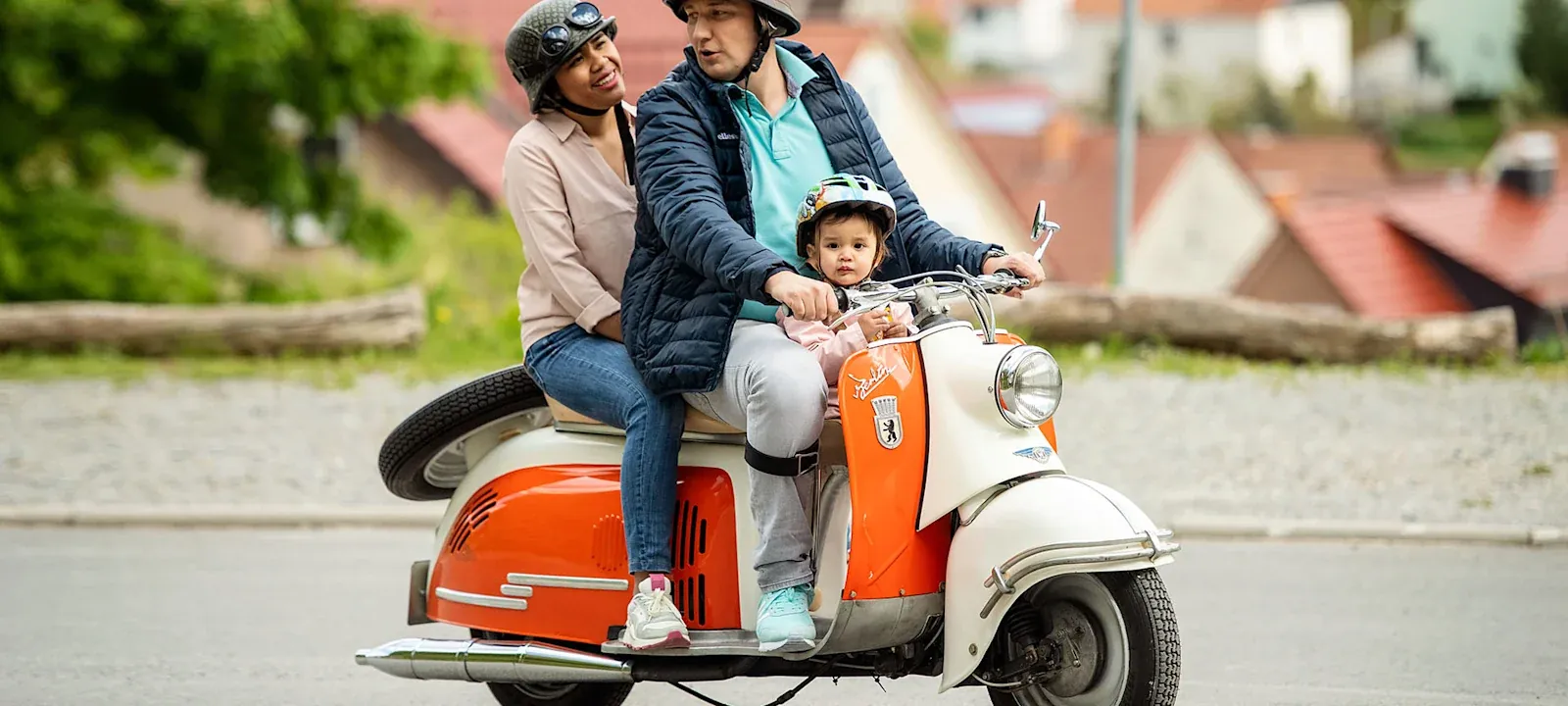
Agilium Range
Osteoarthritis-targeted knee or lower-leg-foot-braces designed to relieve painful areas in the knee joint and provide sustained relief from knee pain.
Discover More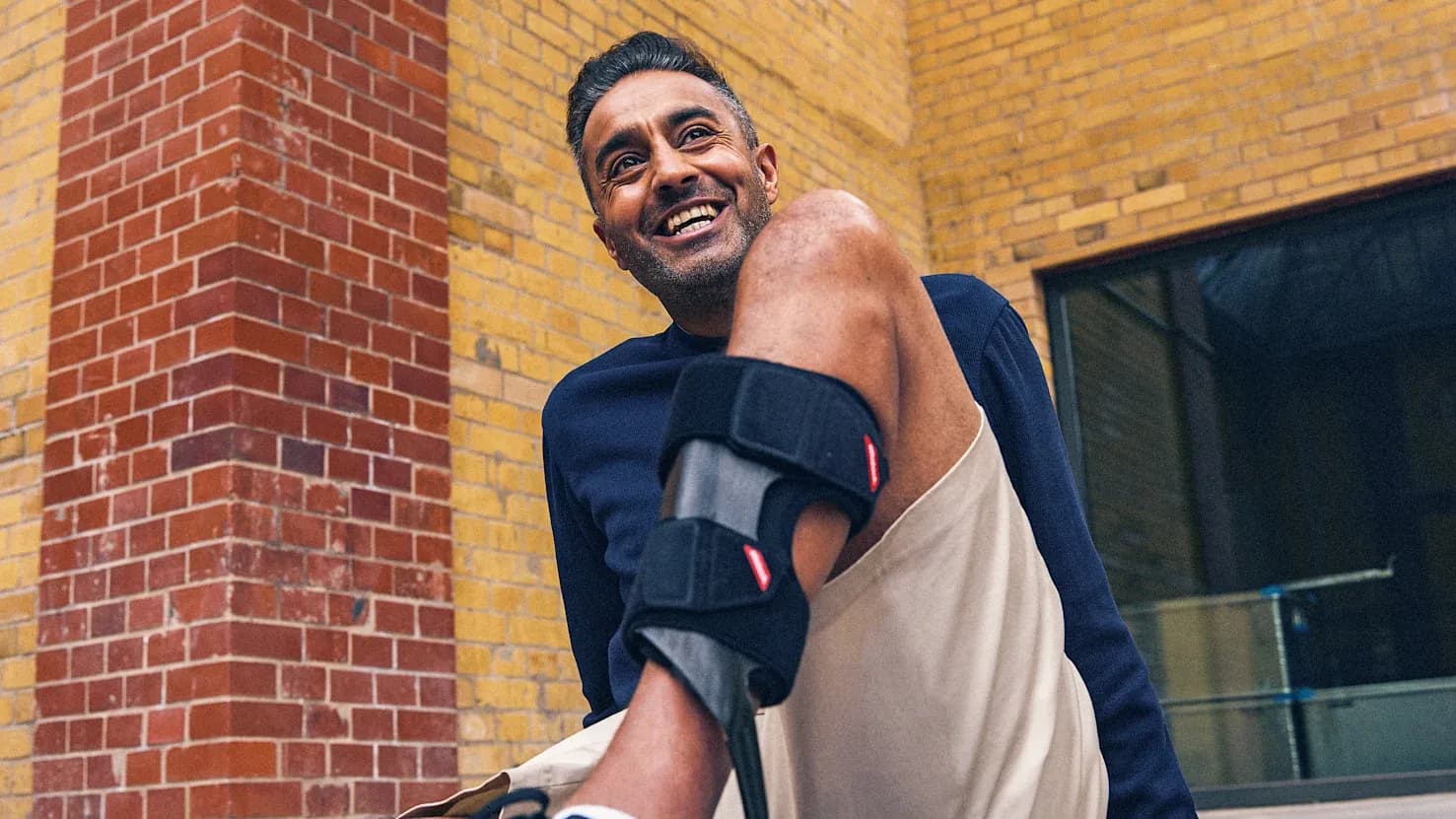
About Orthotics
Ottobock's portfolio of orthotic and NeuroMobility solutions are designed to provide optimal support and comfort for your needs. From custom orthotics to off-the-shelf solutions, to functional electrical stimulation (FES) devices, to neurostimulation suits, we have a range of devices that enhance mobility and relieve discomfort. From here you can discover our range of solutions, learn more about common conditions, and find a clinical partner close to you.
Solutions
For more than 100 years, Ottobock has been collaborating with specialists to develop functional orthotic and NeuroMobility devices. Our goal is to help people move more freely and with less pain, correct malpositions, and provide effective support for the healing process. Orthoses and supports have proven to be particularly effective for these purposes. They allow injured ligaments, joints, and bones to heal. In addition, they can preserve functionality even in permanently impaired limbs and reduce pain.
Osteoarthritis-targeted knee or lower-leg-foot-braces designed to relieve painful areas in the knee joint and provide sustained relief from knee pain.
Discover More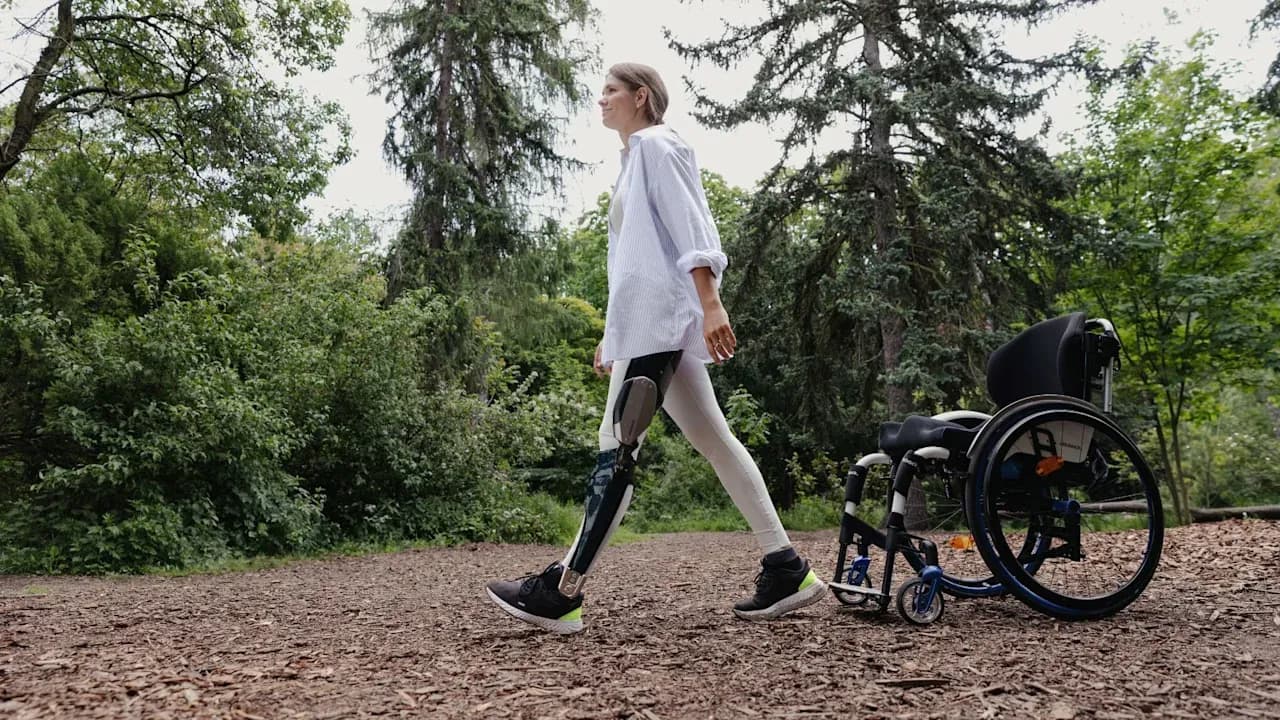
The C-Brace is a microprocessor-controlled leg orthosis that responds to everyday movements and situations in real time. This helps ensure safety, stability, and confidence in users' everyday lives.
Discover More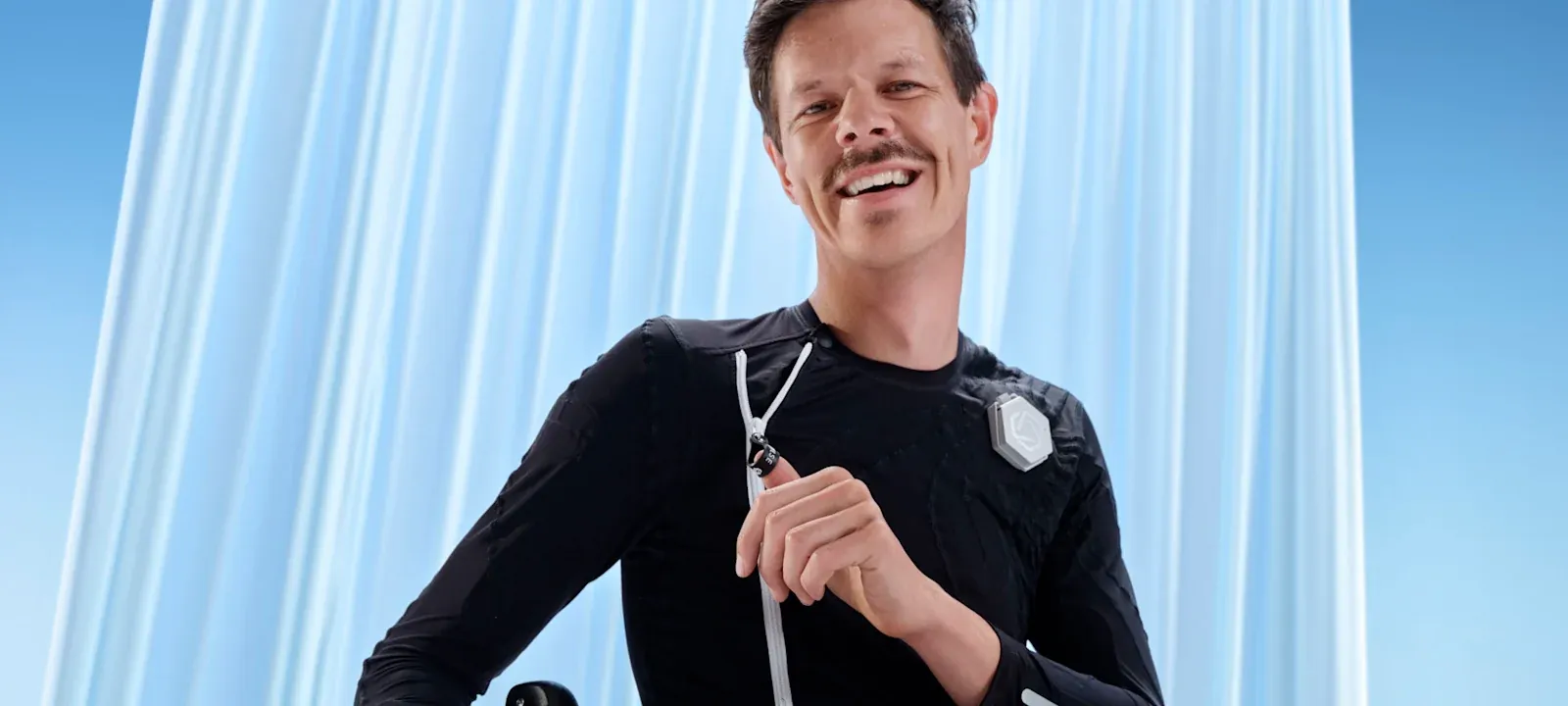
With the touch of a button, the exopulse suit gives you the power to control the symptoms of spasticity — common in people affected by cerebral palsy (CP), multiple sclerosis (MS), stroke, and other neurological conditions.
Discover More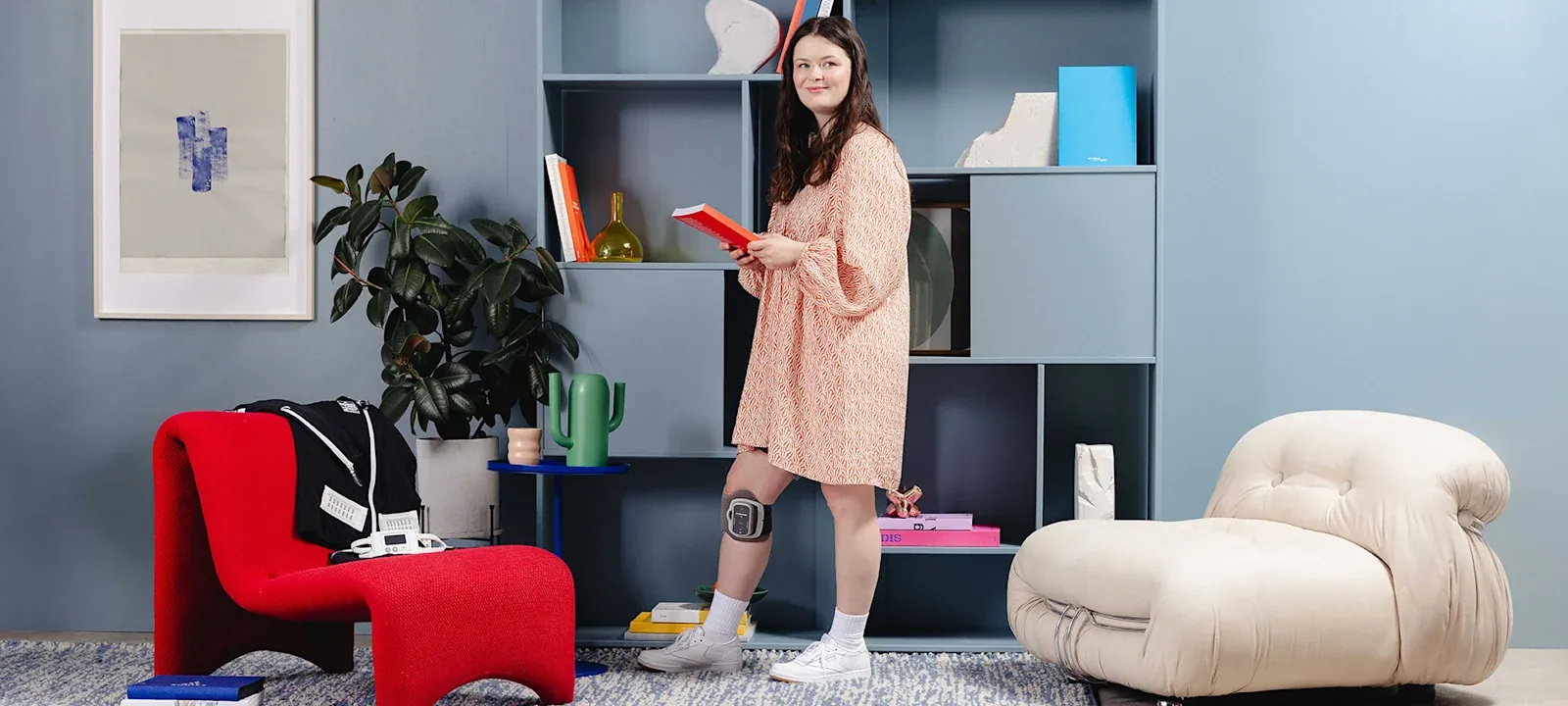
FES is a treatment that applies small electrical charges to a muscle that has become paralysed or weakened due to damage to your brain or spinal cord. The electrical charge stimulates the muscle to contract, causing the joint to move.
Discover More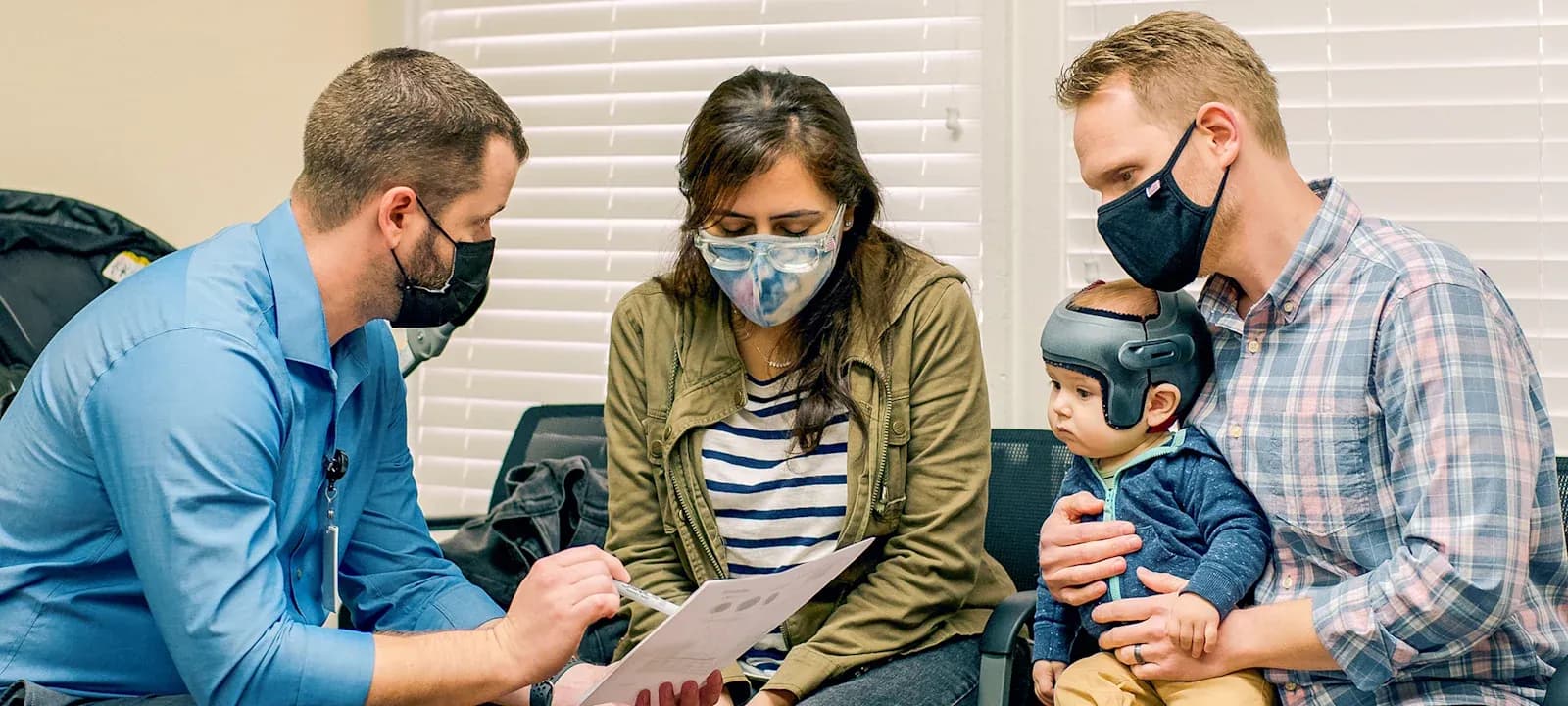
A head-shape correcting helmet for infants — a precise solution for cranial deformation that fits seamlessly into baby's daily life.
Discover More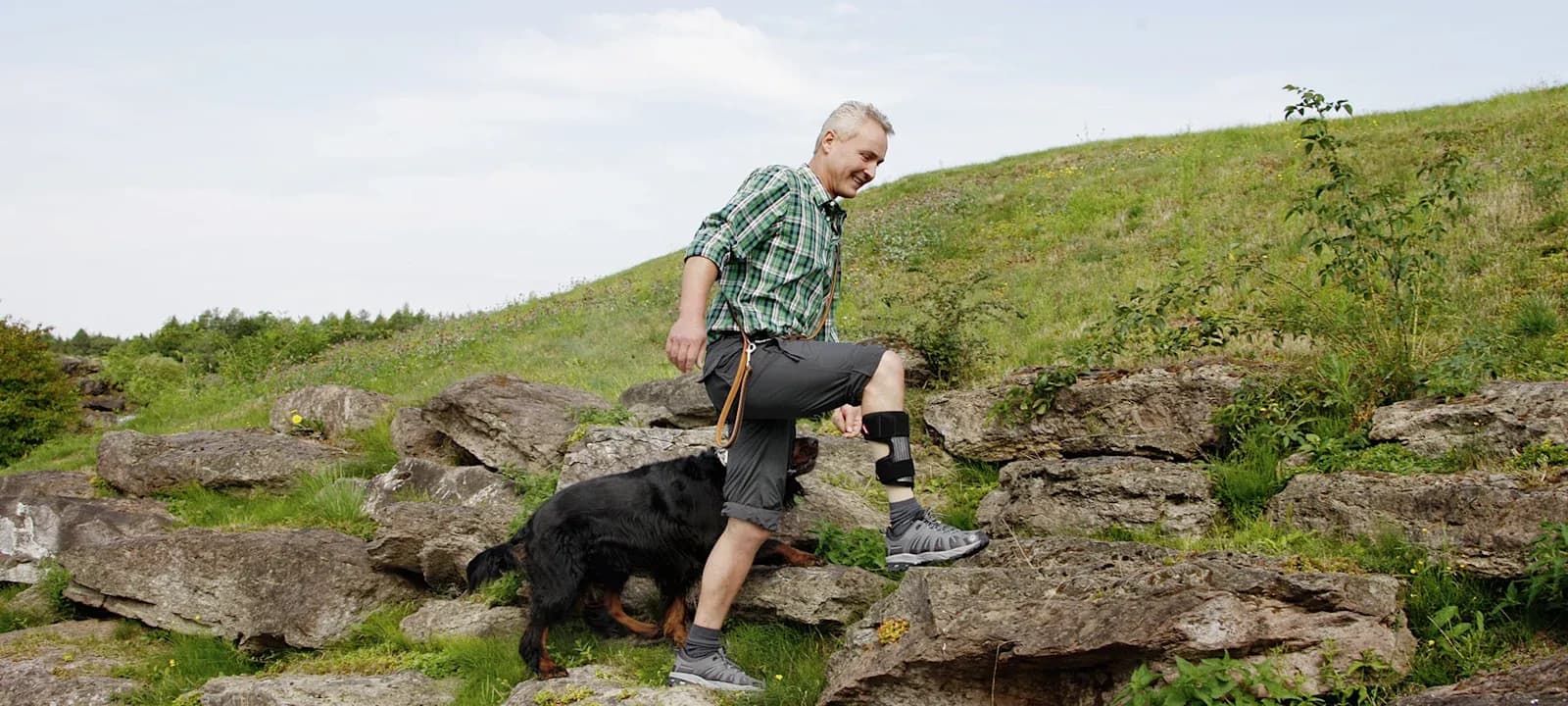
A modular AFO system that lets clinicians configure orthotic joints to a patient's exact needs.
Discover More
Carbon-fiber ankle-foot orthoses (AFOs) designed for dynamic gait support in users with foot drop and similar gait impairments.
Discover MoreConditions
There are many different illnesses and diagnoses that require the need for orthoses and NeuroMobility devices — whether right from the start of treatment or afterward to support therapy. Learn more about some of the most common conditions and how we can support you.
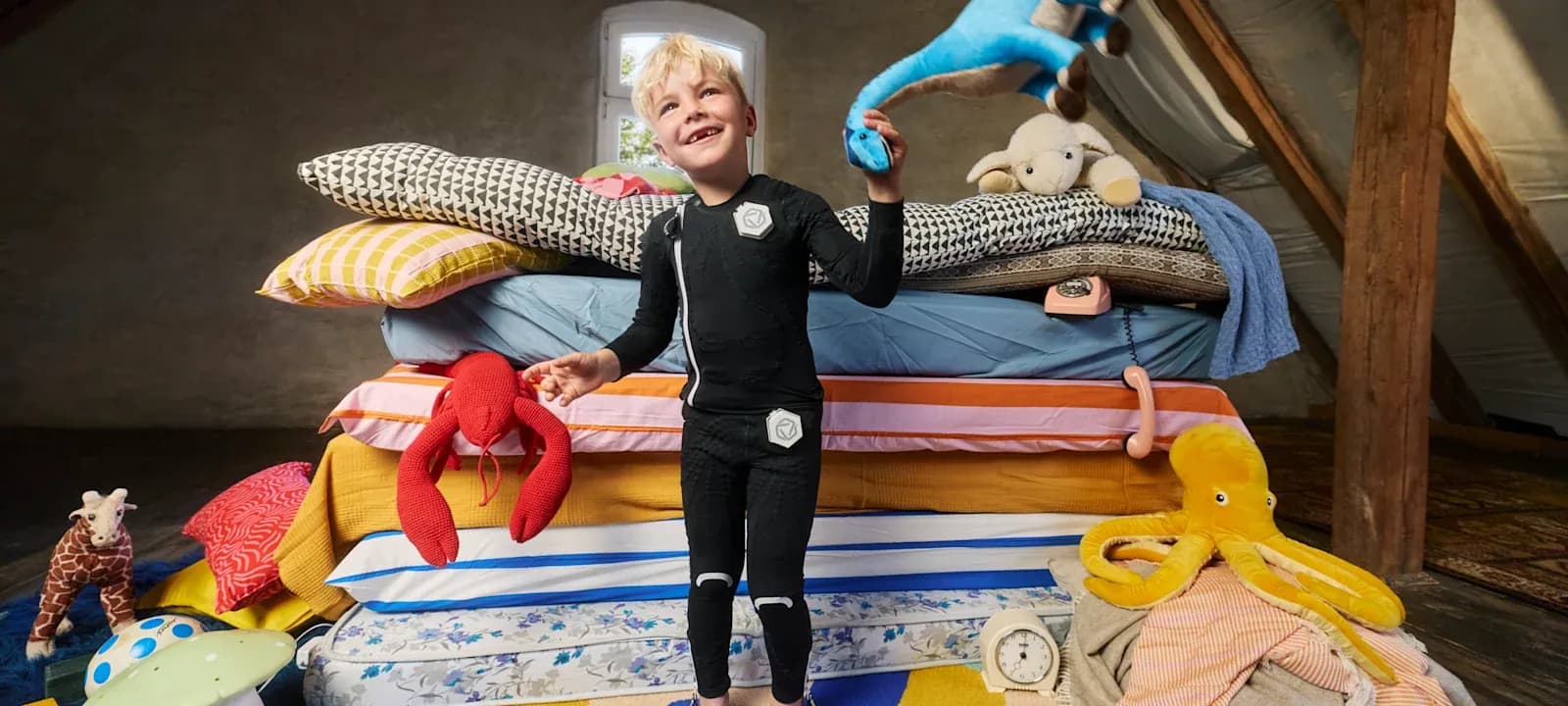
Cerebral Palsy (CP) is a group of movement disorders that appear in early childhood, caused by a brain injury that develops before, during, or soon after birth.
Discover More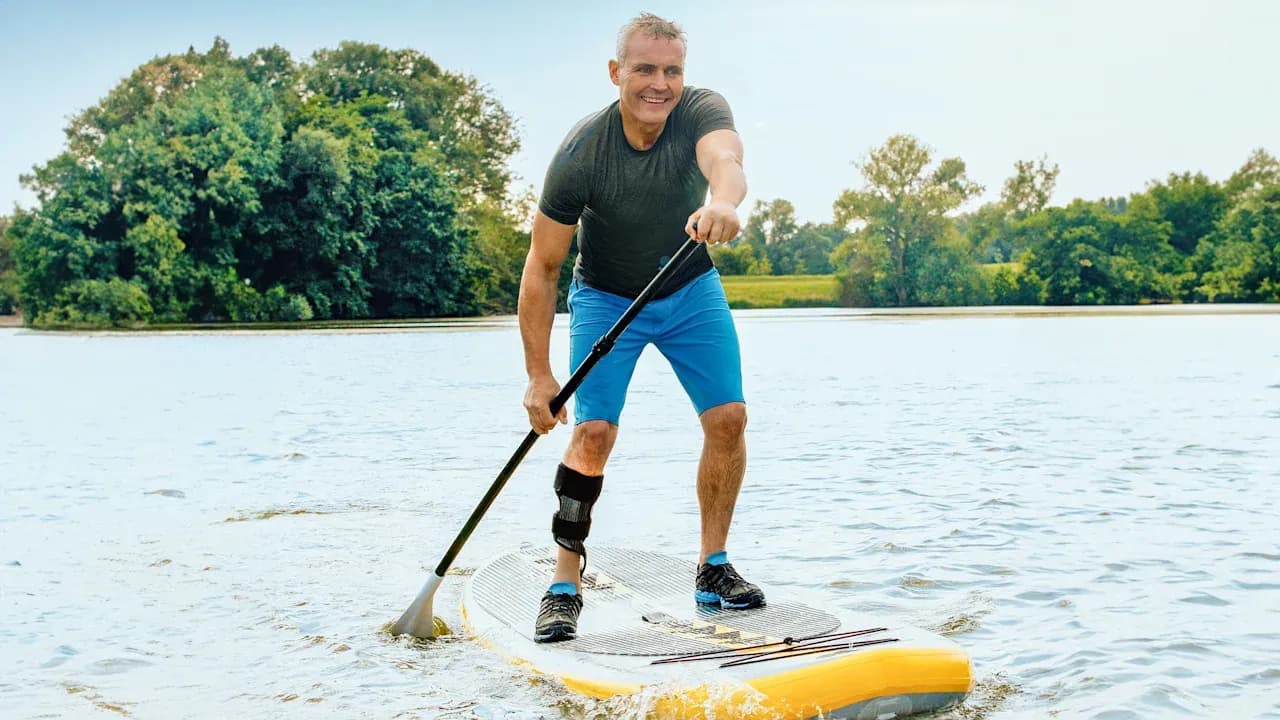
Drop foot, or dorsiflexor weakness prevents you from lifting your foot and toes properly when walking, affecting your balance, general mobility, and self-confidence.
Discover More
Osteoarthritis is the most common form of arthritis, and most often develops in the knee. The diagnosis can make those affected feel uncertain, but there are many options for living an active life with osteoarthritis.
Discover More
Multiple sclerosis (MS) is a neurological condition that affects the brain, spinal cord, and/or optic nerves. Every experience of MS is unique as it causes a variety of symptoms that can have a challenging impact on your daily life.
Discover More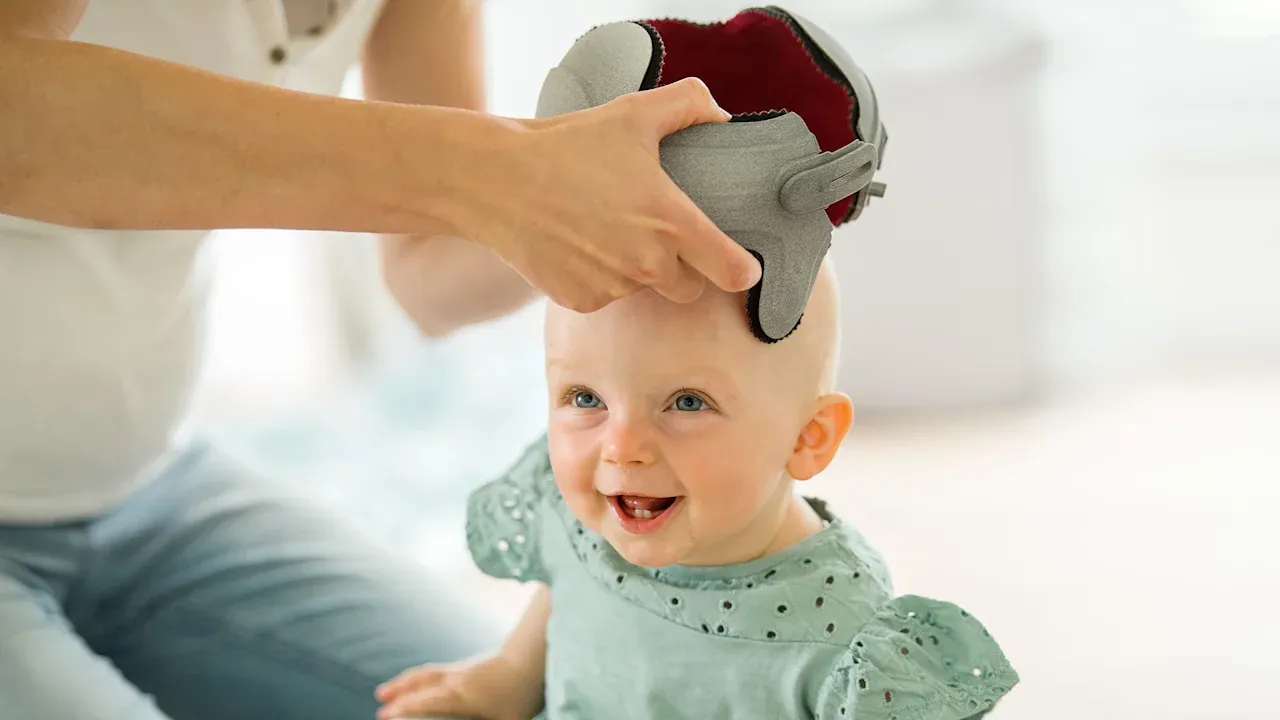
Plagiocephaly is a well-known condition in infants, it occurs when part of a baby's head becomes flattened or misshaped. Find out how this common condition is identified and treated.
Discover More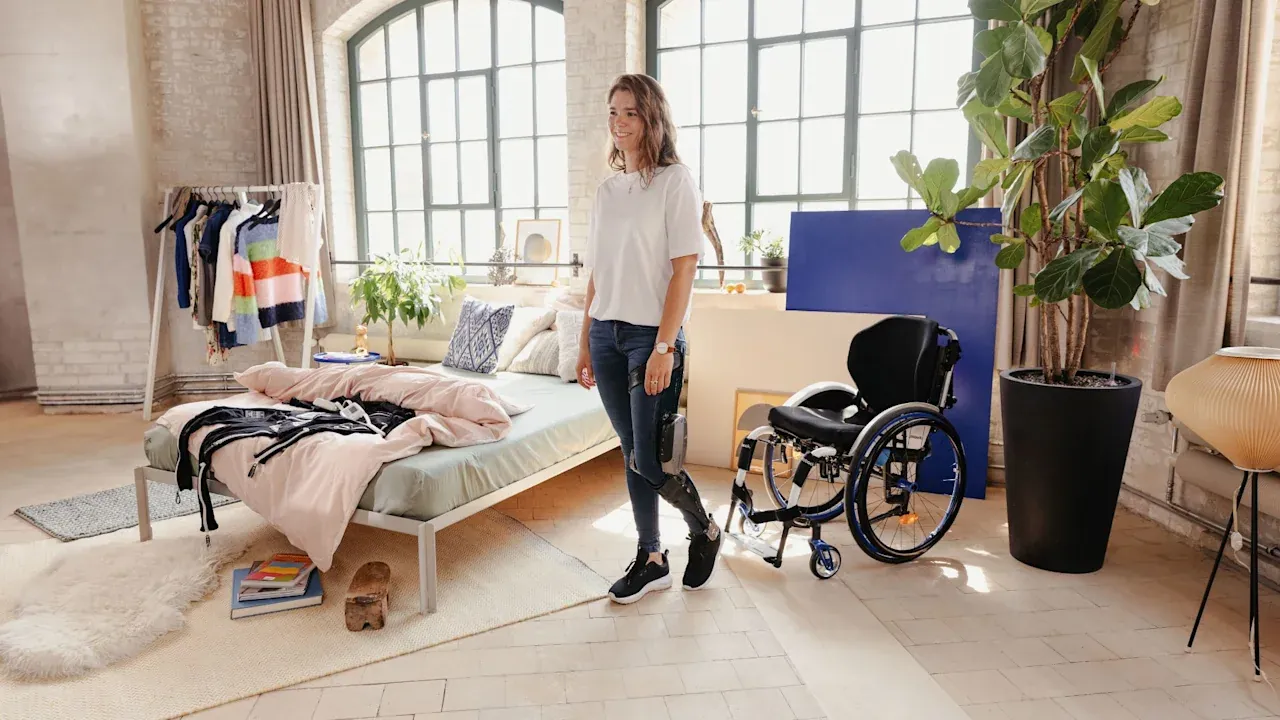
A spinal cord injury is a serious, traumatic event that can put many life-changing limits on your mobility: from weakness in your limbs to muscle spasms, chronic pain, and complete loss of muscle control.
Discover More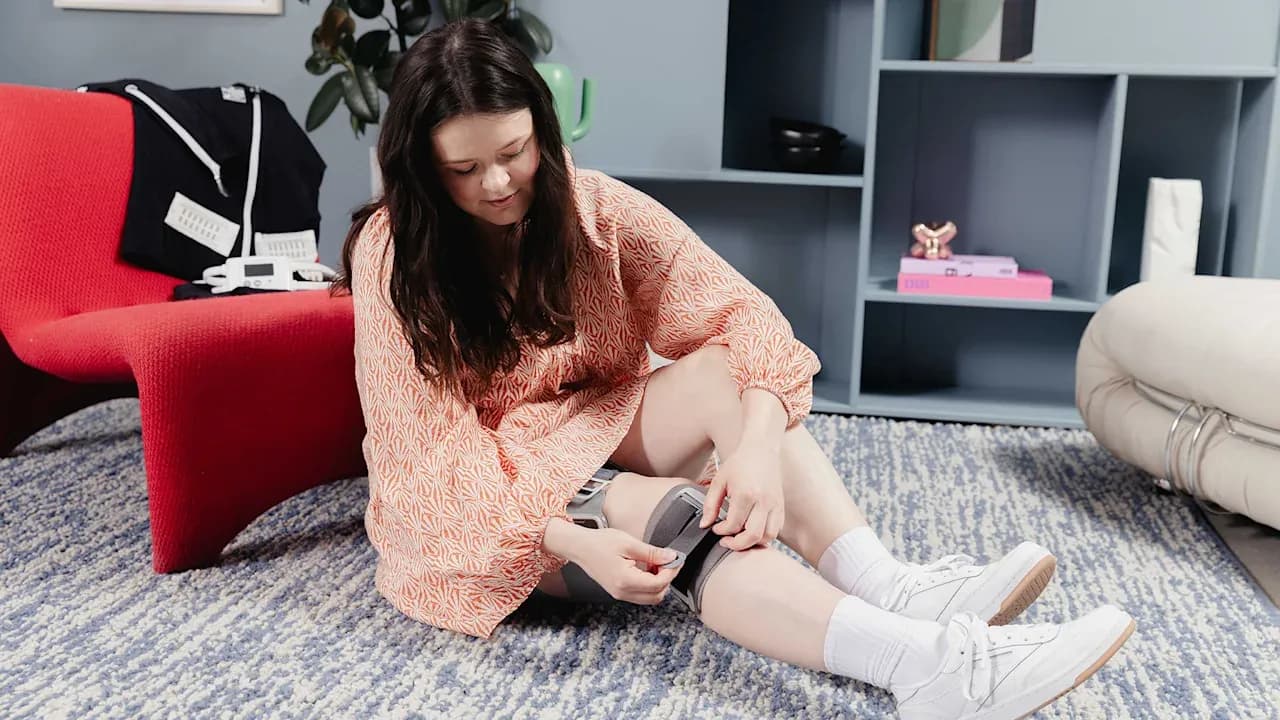
A stroke can happen suddenly and often leaves you with countless questions. Discover how a stroke can affect mobility and what you can do to support rehabilitation and restore confidence and independence.
Discover More