1
Simple and reliable
No pump or external energy source required — the system uses body weight and natural walking motion to maintain suspension.
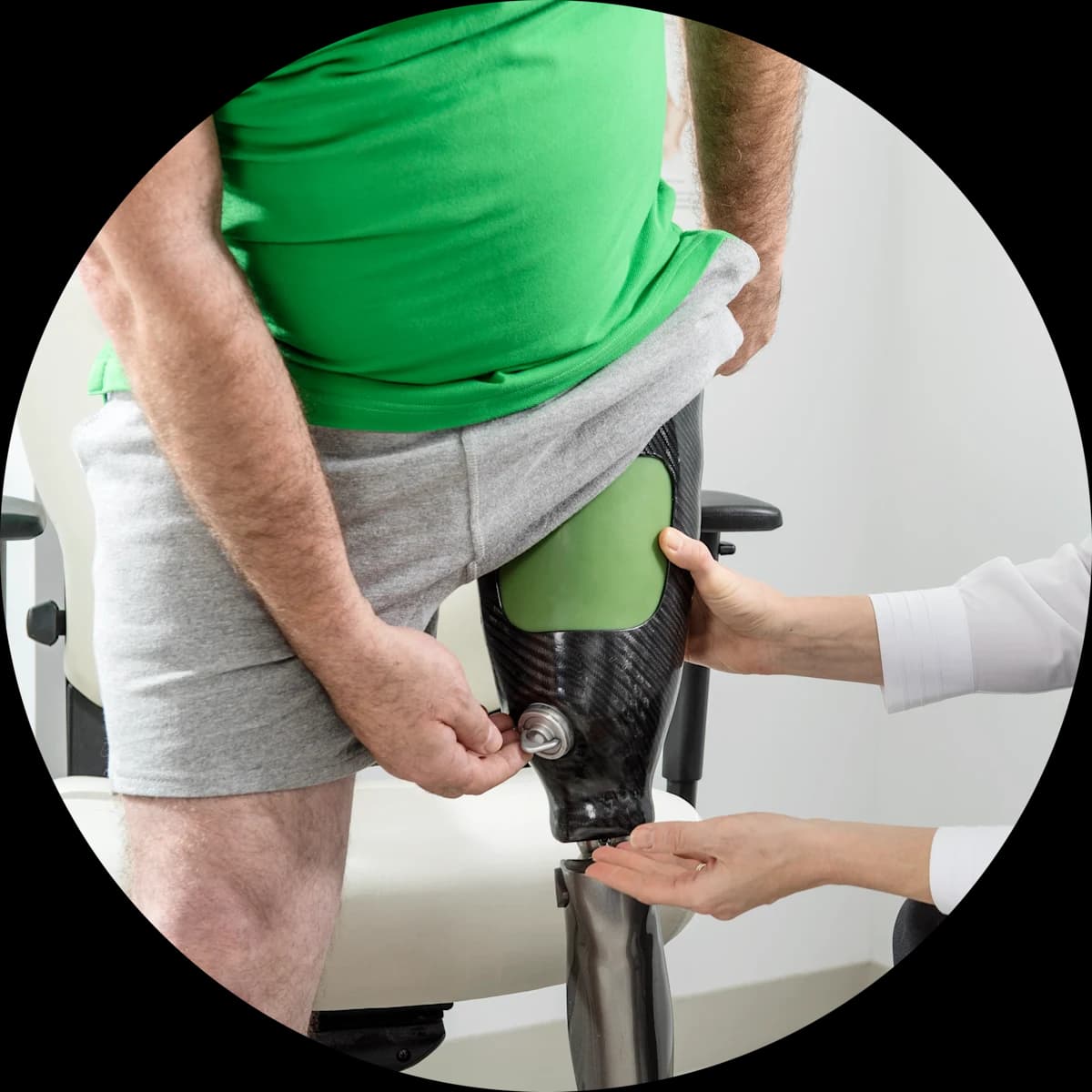
Sockets
A simple, effective suspension system that uses body weight and a one-way valve to create a comfortable, secure socket fit.
Contact usPassive vacuum
Passive vacuum systems usually consist of a soft liner, a one-way valve and a knee sleeve. Excess air is expelled through the valve with the help of body weight and is unable to stream back in.
A knee sleeve is used with transtibial prostheses to create an airtight seal at the top edge of the system. In transfemoral prostheses, the Sealing Liner ring is used to create an airtight seal at the top of the system.
Also referred to as a 'one-way valve' system, passive vacuum provides a high level of socket comfort when a vacuum is created between the suspension sleeve and the liner/skin. As the amputee begins to walk, air is driven out of the socket to form a solid connection.
Why passive vacuum
No pump or external energy source required — the system uses body weight and natural walking motion to maintain suspension.
The vacuum between liner and socket creates a secure, even contact across the residual limb for all-day comfort.
With fewer moving parts than active vacuum systems, passive vacuum is straightforward to use and service.
Passive vacuum works well for users with moderate activity levels who want reliable suspension without a pump unit.
Use with the right liner and sealing sleeve to suit your residual limb and lifestyle.
A stable limb-socket connection helps users sense the position of their prosthesis more naturally.
Related technologies
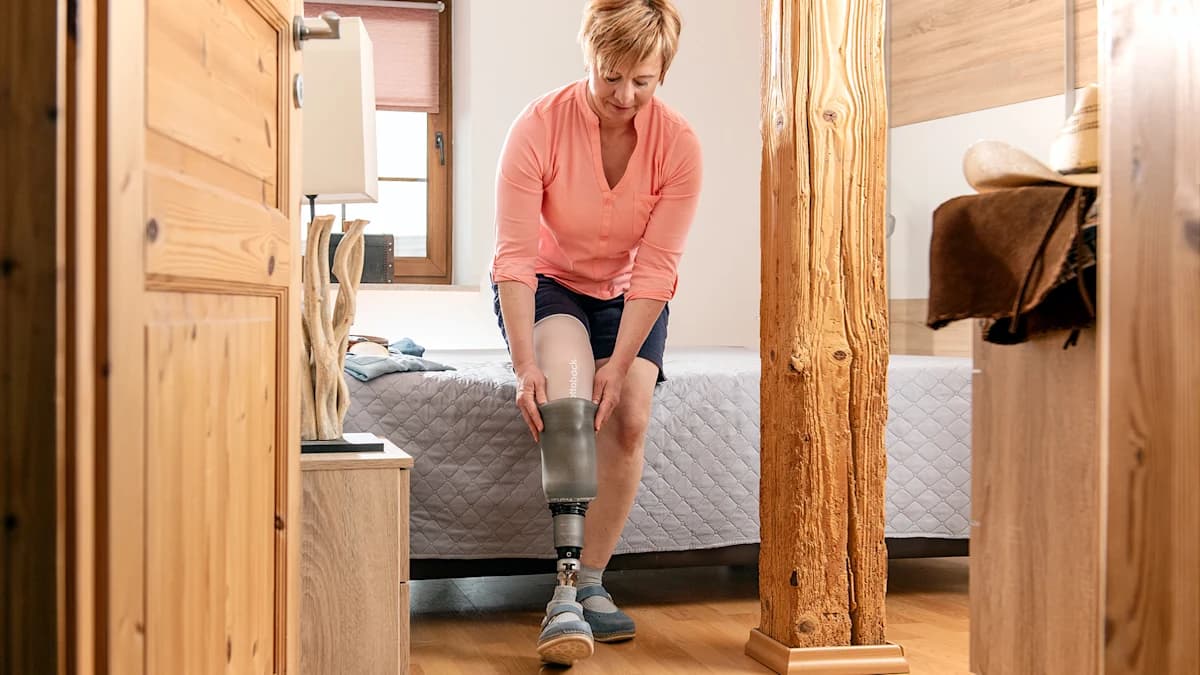
Active vacuum provides the ultimate socket comfort by means of a pump unit creating a vacuum between the suspension sleeve and the liner.
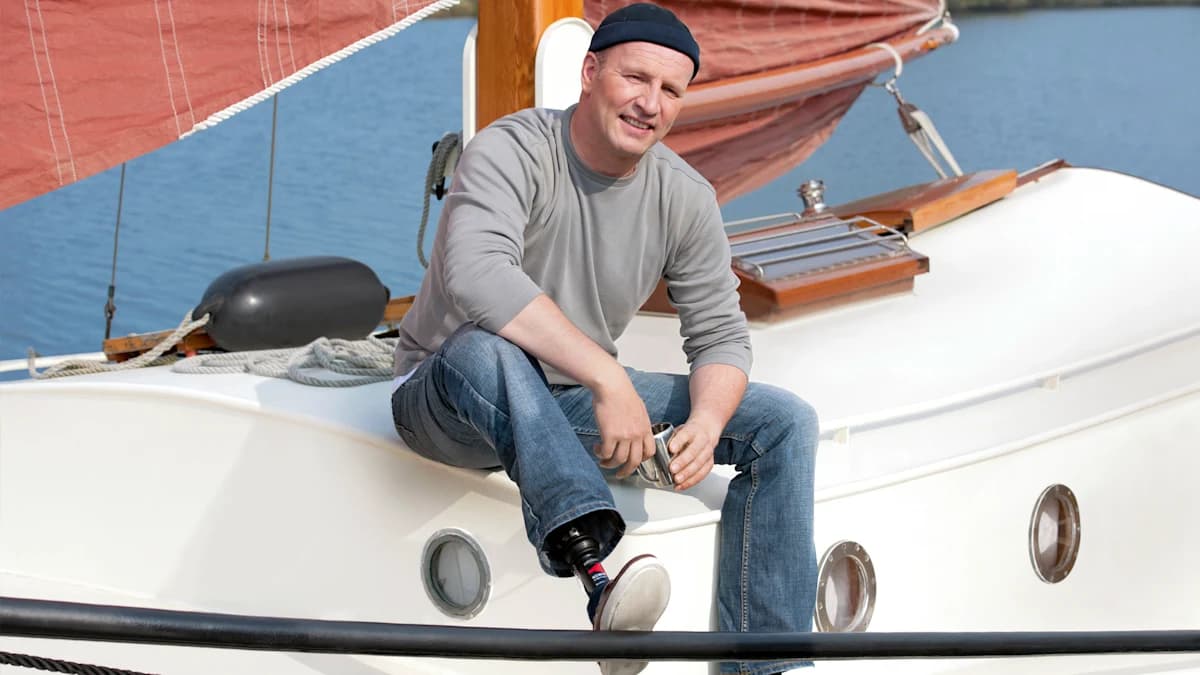
A pin at the end of the liner locks into the bottom of the prosthetic socket. No suspension sleeve is required with this system.
A passive vacuum socket is a suspension system that uses a soft liner, a one-way valve and a sealing sleeve. As you walk, body weight pushes air out of the socket through the valve, creating a vacuum that holds the residual limb securely in place.
Passive vacuum relies on body weight and natural walking motion to expel air through a one-way valve. Active vacuum uses an electronic or mechanical pump to actively maintain a stronger, more consistent vacuum throughout the day.
Passive vacuum works well for users with moderate activity levels who want a reliable, low-maintenance suspension system without the added components of a pump unit. Your prosthetist can advise you based on your residual limb shape, activity level and lifestyle.
Yes — passive vacuum systems are designed to work with specific liners and sealing sleeves. Your prosthetist will recommend the right combination of liner, valve and sleeve for your residual limb and prosthesis type.
Daily skin checks, cleaning the liner with mild soap, and regular inspection of the valve and sealing sleeve will keep the system performing well. Replace the sealing sleeve when it shows signs of wear so the vacuum can be maintained.
Talk to our expert team to choose between passive and active vacuum systems based on your activity level and needs.
Contact Us