Person looking out of the window after a leg amputation

Life with a leg amputation

After your leg amputation.

Talk to a specialist

Summary

What lies ahead after your amputation?

After an amputation you are undoubtedly wondering what comes next. Right after surgery, recovery and the healing of the residual limb are the main concerns so that rehabilitation can start and a prosthesis can later be fitted.

Together with your care team, you will focus on rebuilding strength, caring for the residual limb and taking the first steps with a prosthetic leg. Everyone's path is different, but each step you take helps prepare you for life with a prosthesis.

To start rehabilitation:

  • 1You should have little to no pain in the residual limb
  • 2Your residual limb should be capable of bearing weight
  • 3Swelling and water retention should be reduced and stabilised
  • 4You should be able to move your residual limb in all directions

Your individual circumstances will determine how long this takes. The more mobile you are when rehabilitation starts, the sooner you can be fitted with a prosthesis.

Residual limb healing

Prepare your residual limb for wearing a prosthesis

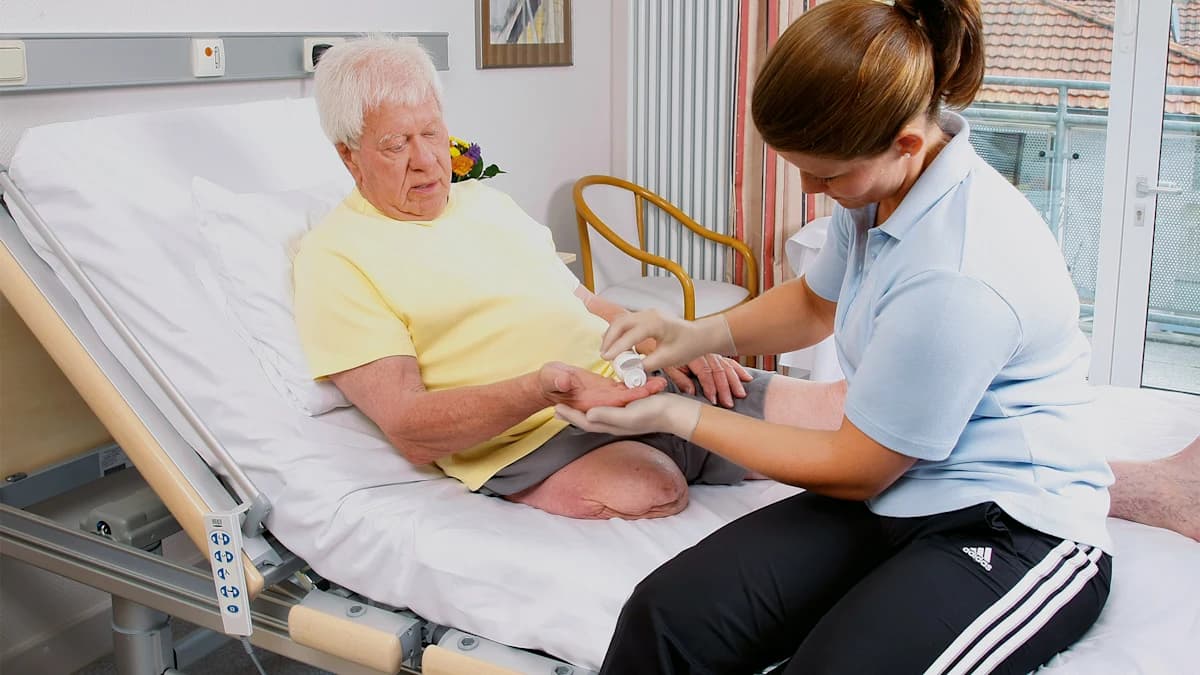
The first steps in rehabilitation begin straight after your operation and focus on the healing of the residual limb. In hospital, your doctors and nursing team continuously monitor the healing process and the daily treatment of the residual limb, watching carefully for any sign of infection.

Residual limb pain

Residual limb pain

Different types of pain may appear after an amputation: bone pain, wound pain, nerve pain or phantom pain. Each type is treated differently. Treatment options include medication, warming or cooling and wrapping the residual limb. Talk with your doctor or pain therapist.

Wound healing

Wound healing

When you wake from surgery your leg will usually have a dressing or cast with a small drain. The wound healing time is individual to you. Even when the scar looks healed from the outside, it may take up to 18 months to fully heal beneath the skin.

Oedema therapy

Oedema therapy

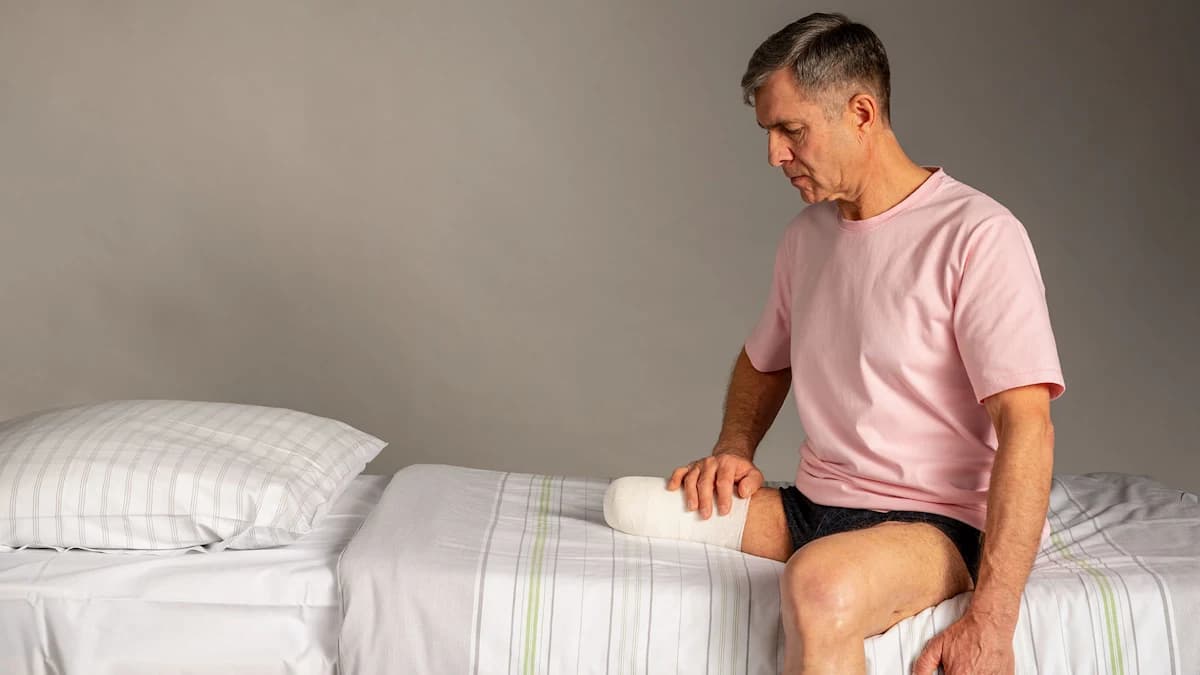
After surgery the tissue around the residual limb usually swells. This oedema is a normal reaction and typically subsides within a week. A loose wound dressing is applied until the sutures are removed to avoid extra pressure on the residual limb.

1 / 3

Compression therapy

Early compression therapy

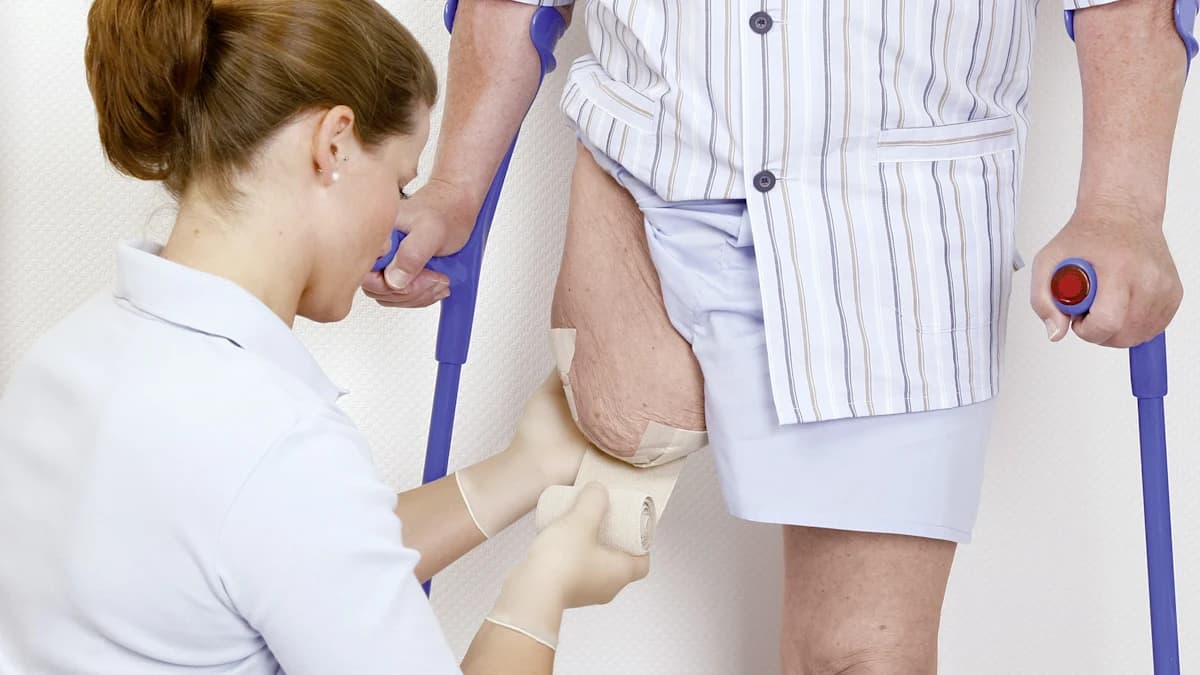
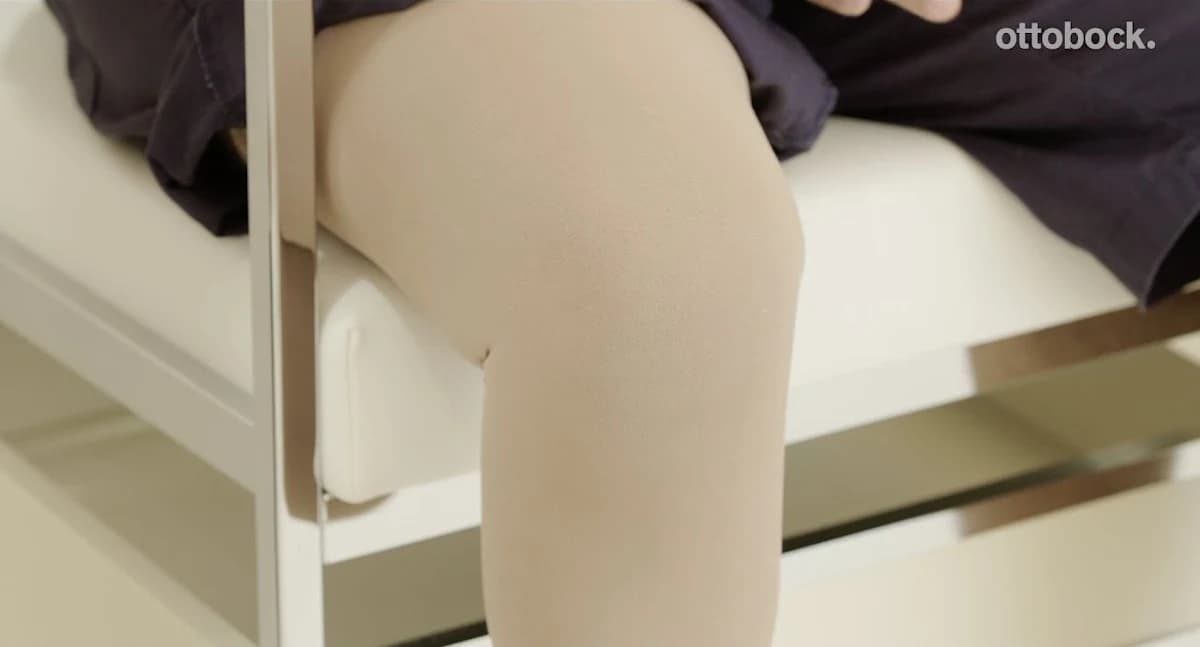
After surgery the wound dressing is changed at regular intervals. Compression therapy then begins, often with a compression bandage. Your doctor will determine the exact timing. Compression reduces residual limb oedema, prepares the limb for the prosthesis, supports blood circulation, reduces pain and promotes scar healing.

Compression therapy after the amputation

Compression therapy after the amputation

A short overview of why compression matters and how it is applied during the early days after surgery to shape the residual limb and reduce swelling.

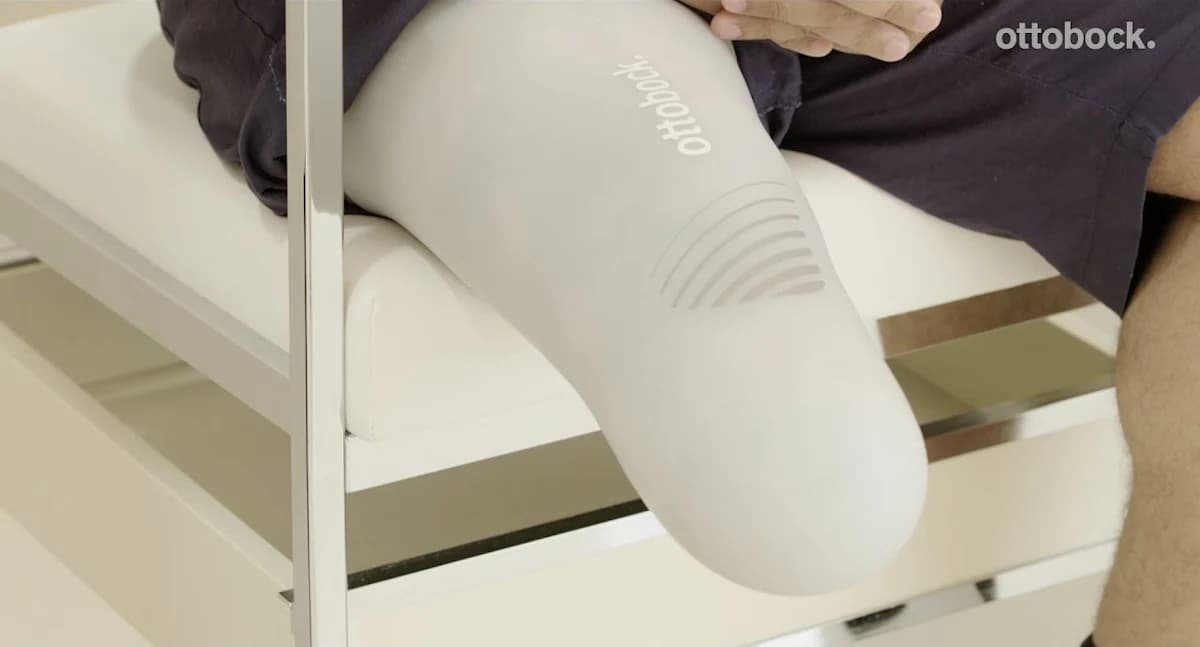
Applying a compression liner

Applying a compression liner

Your therapist will show you how to roll on a compression liner without trapping skin folds, ensuring even pressure across the residual limb.

Applying a compression stocking

Applying a compression stocking

Compression stockings are an alternative to liners. They are pulled over the residual limb in stages and provide graduated compression to support shaping.

Desensitising the skin

Desensitising the skin

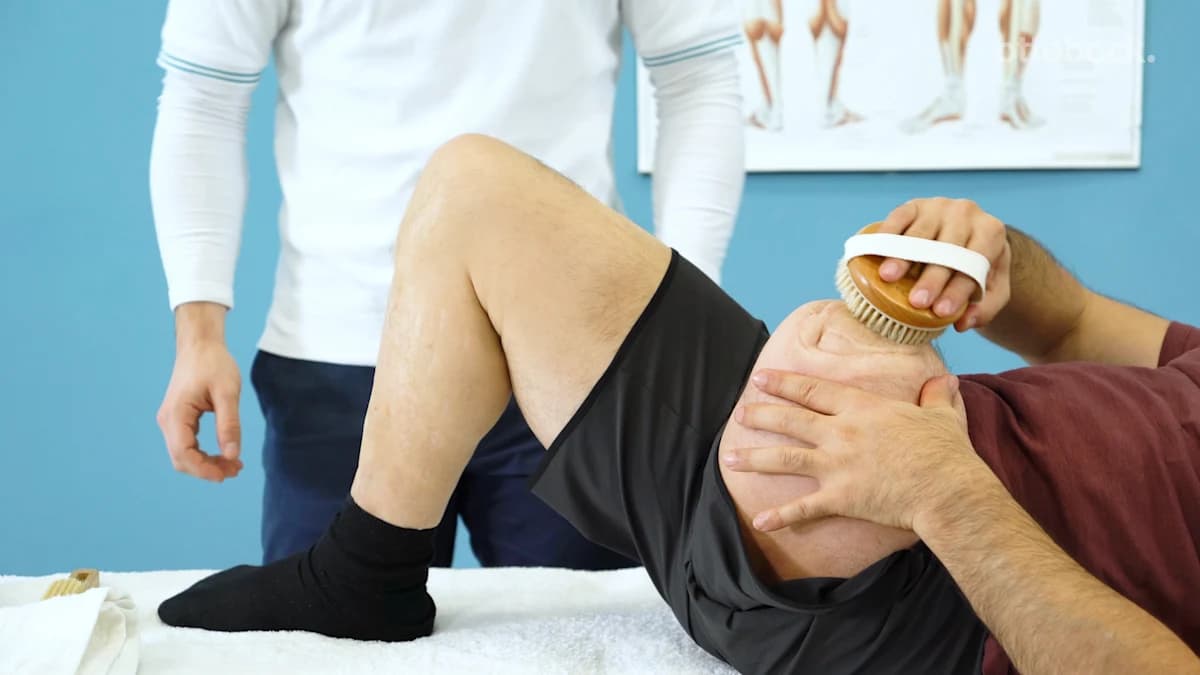
The skin on your residual limb can be very sensitive after amputation. Gentle rolling with a rough towel, light brushing in upward strokes and using a massage ball with nubs all help reduce sensitivity. Your treatment team will show you the proper technique.

Scar care

Scar care

The surgical wound generally closes within three to four weeks, but the underlying scar tissue takes up to 18 months to heal. Talk to your doctor about a scar care routine. Soft, flexible skin is better prepared for wearing a prosthesis.

1 / 5

Phantom pain

Causes of phantom limb pain, types and therapy options

Patient examines residual limb

Many people experience phantom limb pain — pain in the limb that was amputated. Experts believe that up to 70 percent of all amputees experience this, in many cases temporarily. The psychological strain can be high and there are several theories regarding its cause.

There is no single treatment that helps everyone equally, so we recommend speaking to your doctor or prosthetist to find the best option for you.

Causes

One of the most common explanations is that different brain areas are responsible for different body regions. When a body part is missing and produces no feedback, the brain may interpret this as pain. People with a congenital limb difference rarely experience phantom pain, suggesting a learning effect. Pain memory plays a role too — pain experienced before amputation can influence the development of phantom pain.

Types

Phantom limb pain is very individual. It may be triggered or intensified by certain weather, cold temperatures or emotional stress. It can occur only at certain times, gradually decrease or increase, or always be present. Sufferers often describe pulling, piercing, burning or cramp-like pain.

Therapy options for phantom limb pain

Combining several therapy approaches is recommended for phantom limb pain since there is no standard therapy that helps everyone. Many therapies are long-term and need your active participation. The following methods complement each other:

  • Mirror therapy

    Sitting in front of a mirror, your sound limb is reflected. The phantom limb appears to be there again and can be moved purposefully via the sound side, helping to release it from cramped, painful positions. Lateralisation training with photographs gives comparable results.

  • Sensorimotor therapy

    Massaging the residual limb with various materials stimulates nerves through the skin. Ultrasound, thermal or electrotherapy can also be used.

  • Wearing a prosthesis or liner

    For many people pain is alleviated by wearing a prosthesis or liner. This is partly due to sensory stimulation of the residual limb and partly because the brain receives feedback that the body part is still present.

  • Pain therapy

    A pain therapist is a doctor specialising in the treatment of pain. Your doctor will refer you. Never try to treat yourself with pain medication.

Residual limb pain

Residual limb pain and phantom limb pain are different and are treated differently. A thorough examination is important to determine which type of pain you are experiencing. Medical examinations help clarify whether you have bothersome scar tissue, painful neuromas, inadequate soft tissue coverage or excess soft tissue.

These causes can be treated long term by adapting components or via further surgery. Certain operating techniques help reduce residual limb pain and pain originating from nerves in the residual limb. Where possible, preventive pain therapy should start during surgery or directly after to prevent chronic pain.

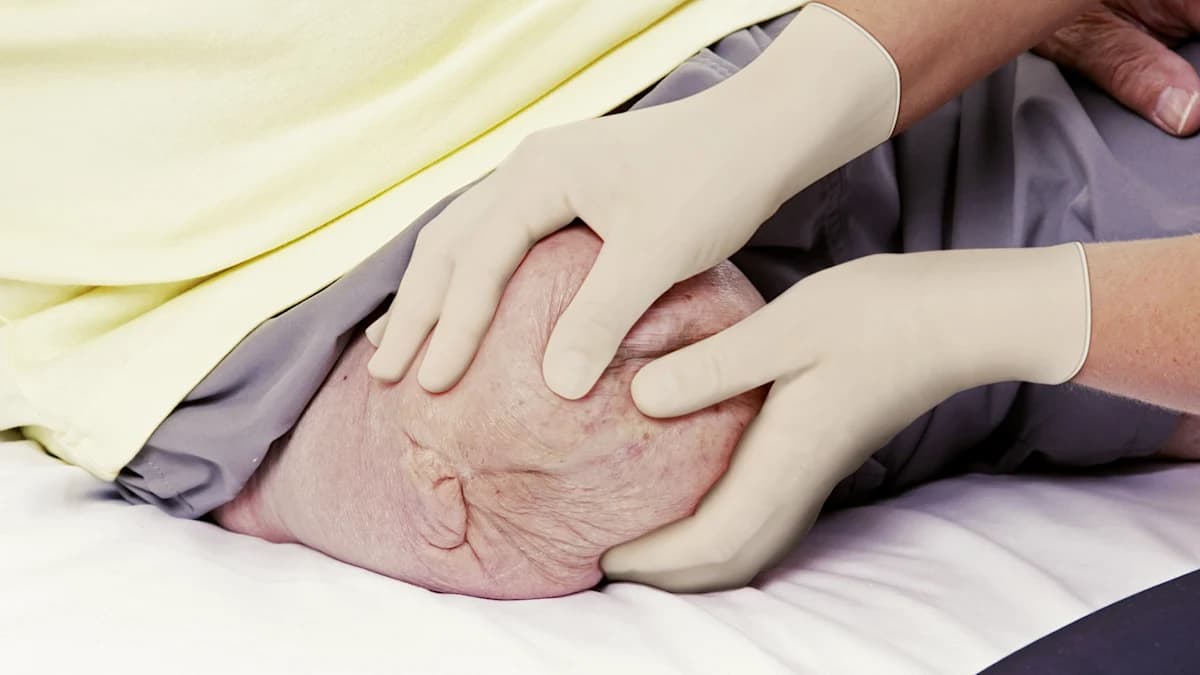
Initial mobilisation

Stay mobile

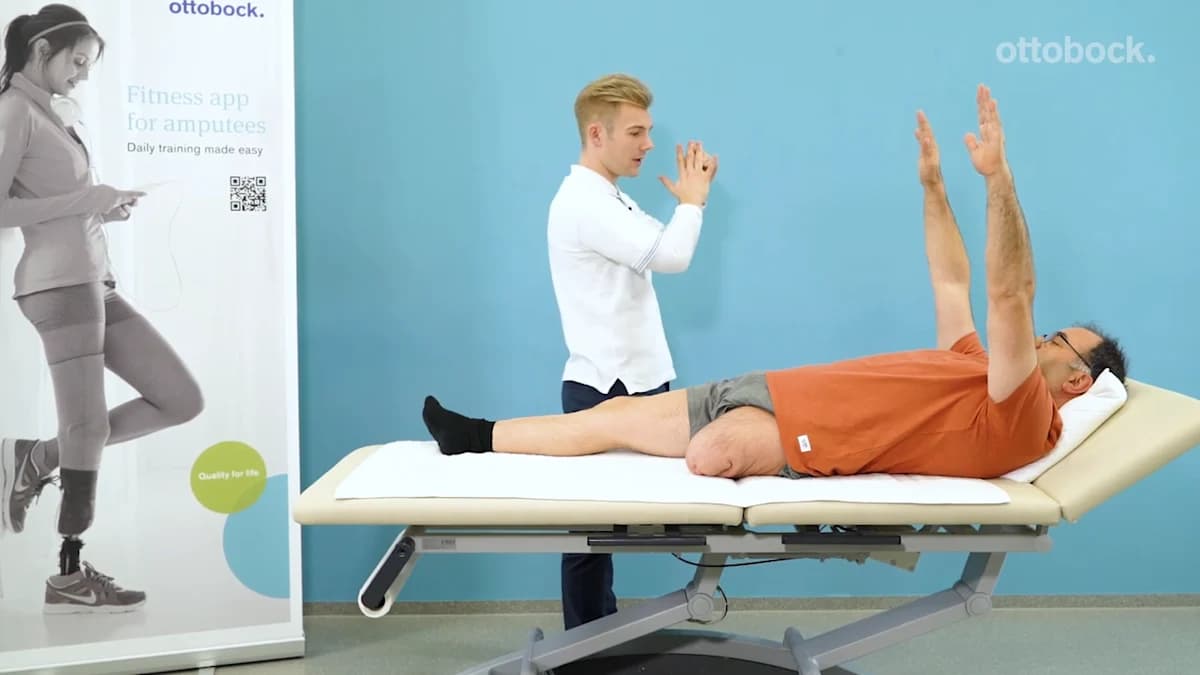
Even while your residual limb is healing, rehabilitation can begin. Your doctor or physiotherapist will show you specific exercises — proper bed positioning so muscles don't shorten, breathing exercises and light mobilisation that helps stabilise your circulation. Doing these exercises keeps you mobile and active.

Stay mobile

Stay mobile

Begin gentle exercises early on — proper bed positioning, breathing and light movements that stabilise circulation and prepare your body for the next stages of rehabilitation.

Mobility training

Mobility training

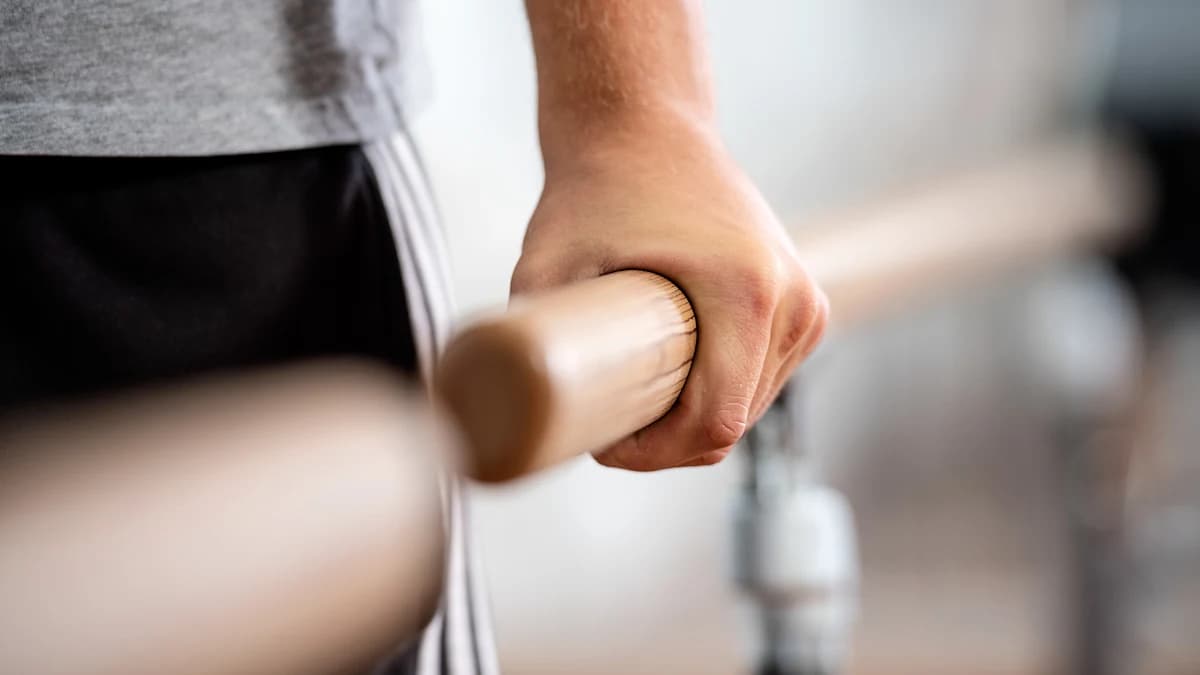
Sitting up in bed and transferring to a wheelchair will be difficult at first but you will master it with practice. Standing for the first time will feel unfamiliar without the balancing weight of the amputated leg, so a walker or other walking aid helps with balance.

Correct positioning

Correct positioning

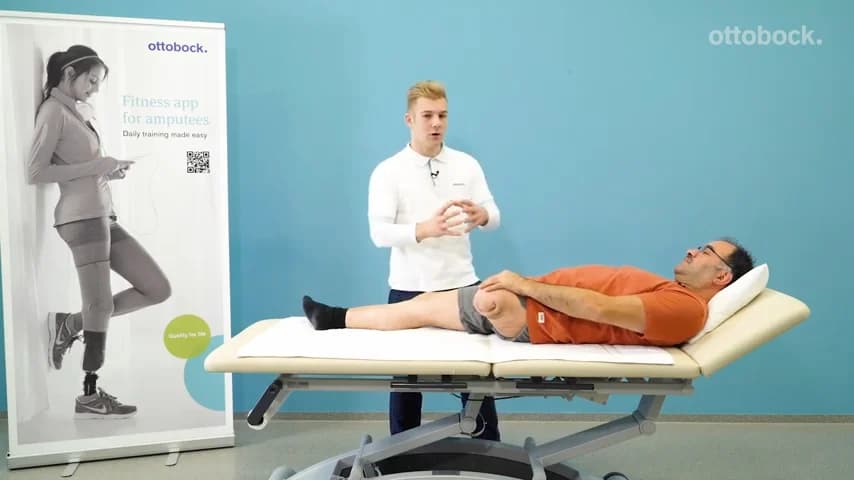
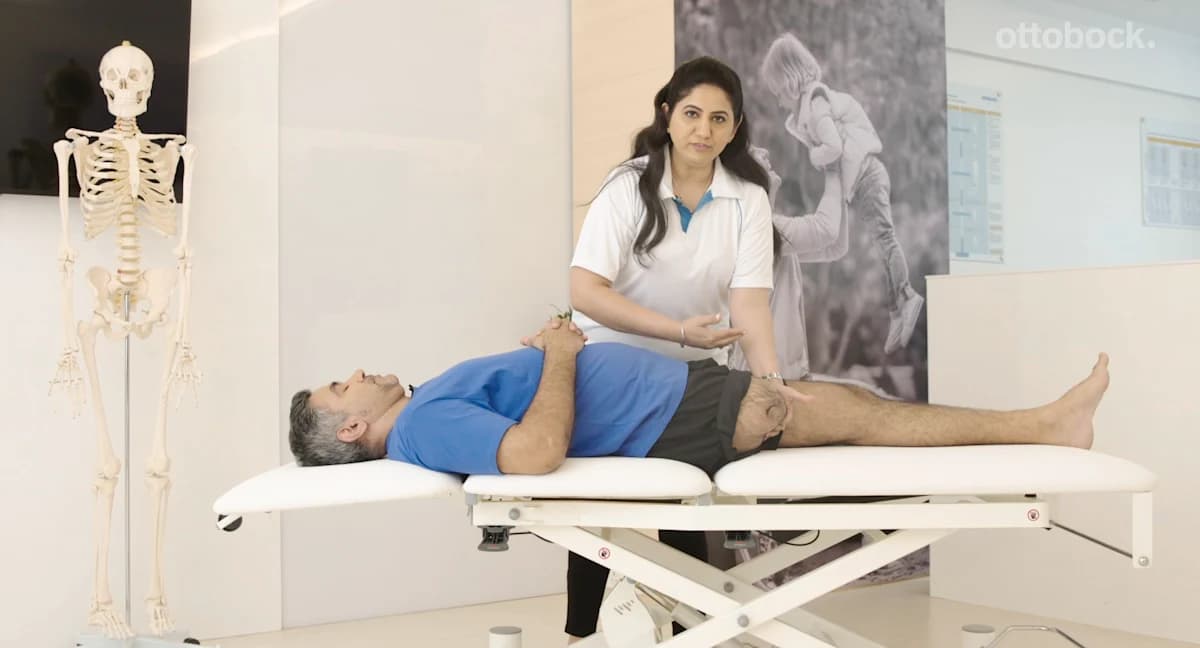
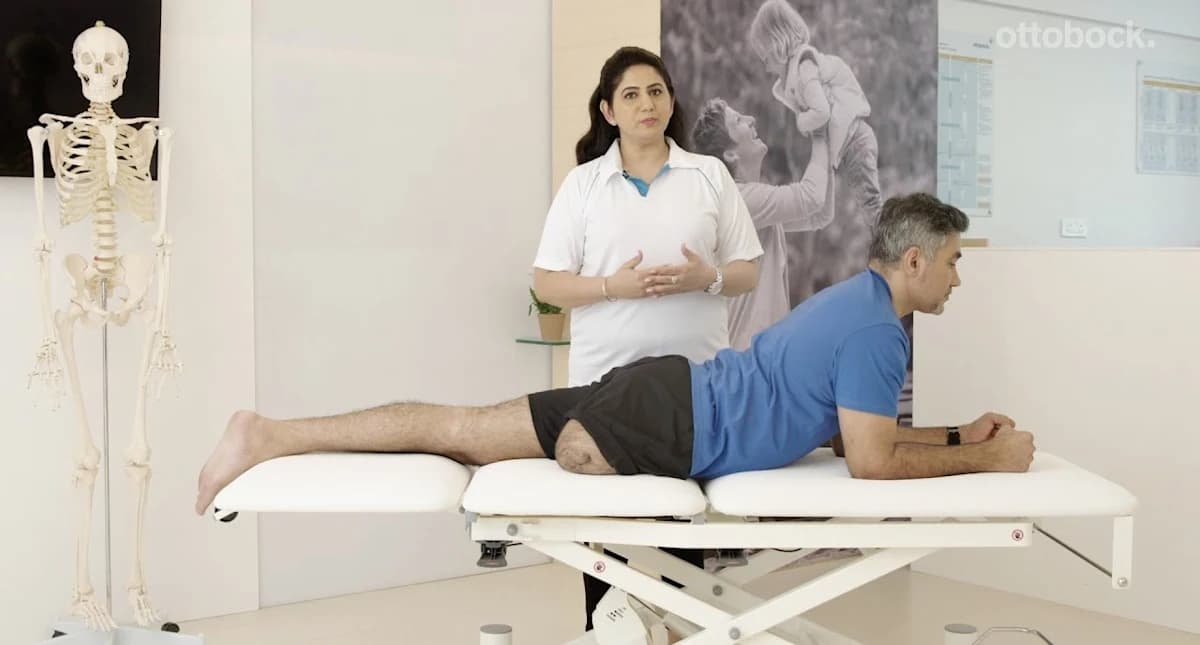
Your residual limb should not be propped up on pillows when lying on your back, and it should not hang down while sitting. Limited mobility now can mean reduced control of your prosthesis later. Correct positioning with the joint extended prevents contractures.

Preventing muscle contractures

Preventing muscle contractures

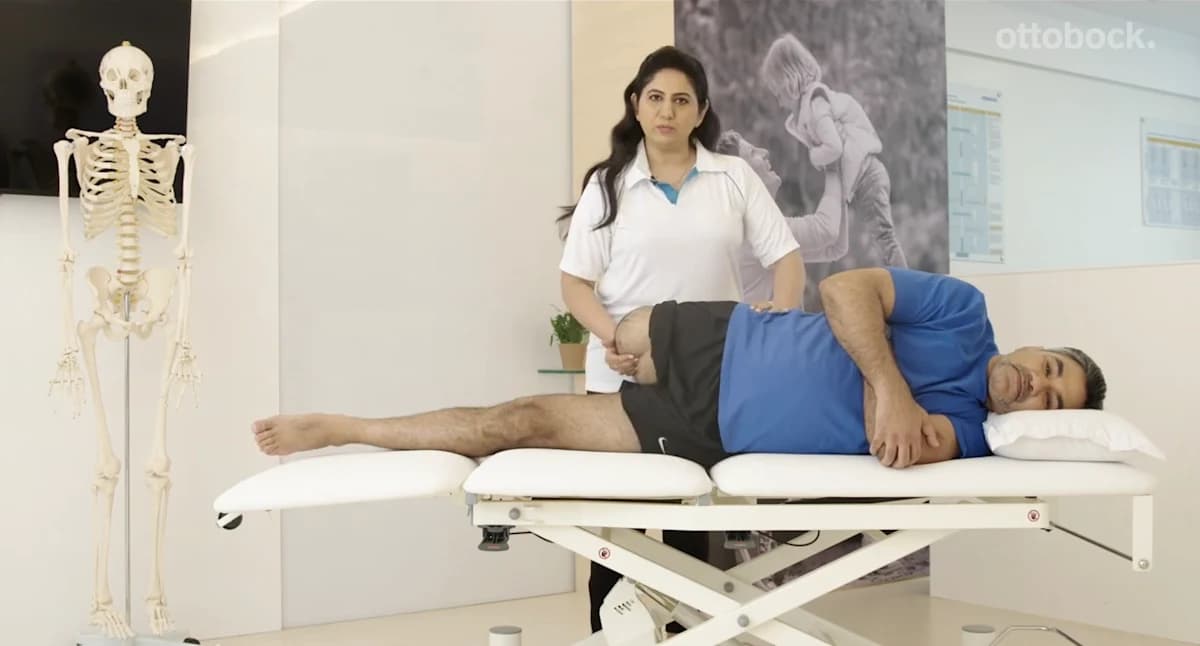
Mobilisation against muscle shortening: regular movement of the residual limb in all directions keeps the soft tissue and joints supple and prepares the limb for prosthetic use.

Stretching exercises

Stretching exercises

Stretching the muscles around the residual limb counteracts shortening and supports a balanced posture, which is important for later prosthetic alignment and gait.

Movement exercises

Movement exercises

Trunk, arm and leg strengthening with light weights or therapy bands can be done lying, sitting or standing. Include the residual limb in the exercises to prevent stiffness.

1 / 6

Your rehabilitation

What happens during your rehabilitation?

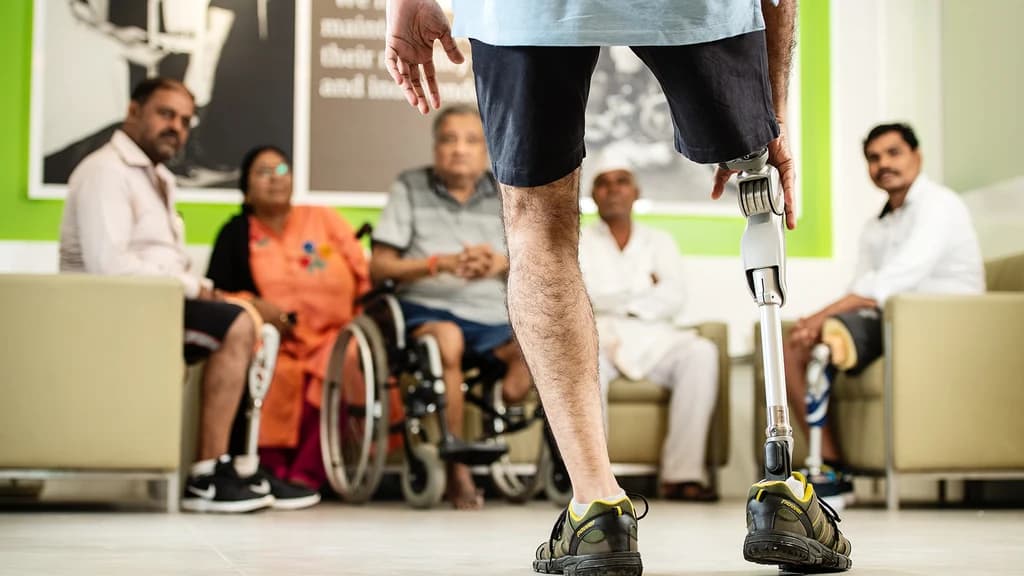
After being released from hospital, your care will usually continue at a local limb centre or private prosthetic clinic. The goal is to prepare you for everyday life with a leg prosthesis — gait training, prosthesis handling, residual limb care and gradually increasing your activity level.

Patient enters a prosthetic care centre

Treatment with a prosthesis

The process of getting a prosthesis

After your amputation you will have many questions: when will I get a prosthesis, how do I get one and which prosthesis will I get? A prosthesis fulfils many functions — it restores mobility, reduces posture asymmetries and balance issues that can result from missing weight, and prevents your sound leg from being overloaded.

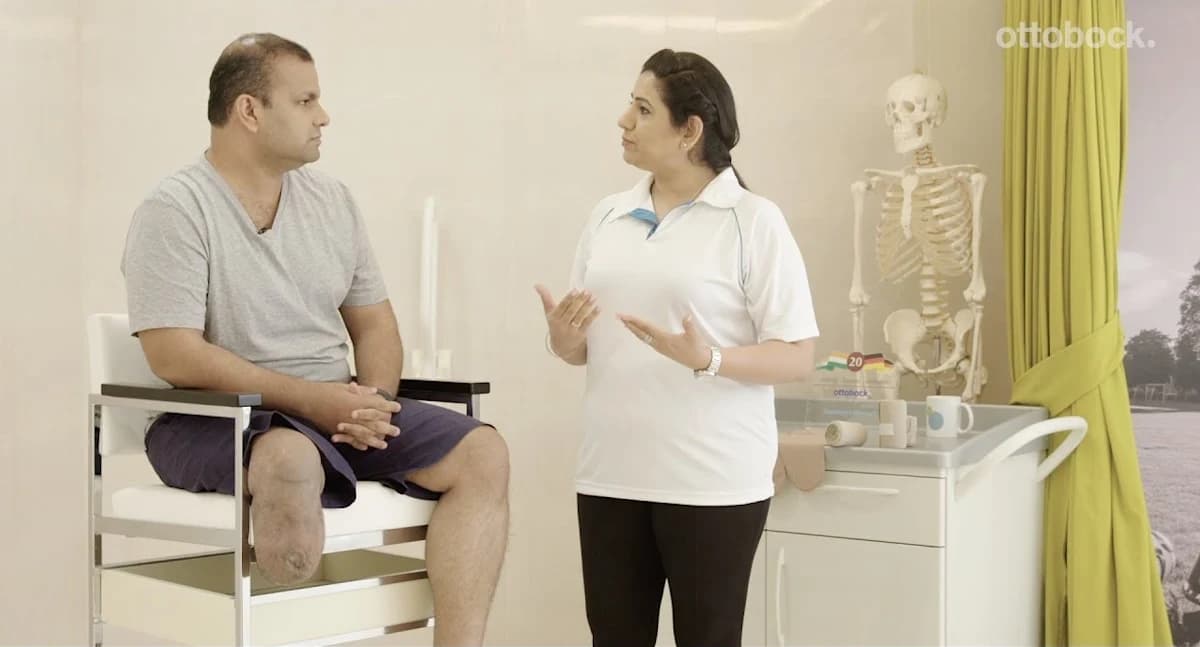
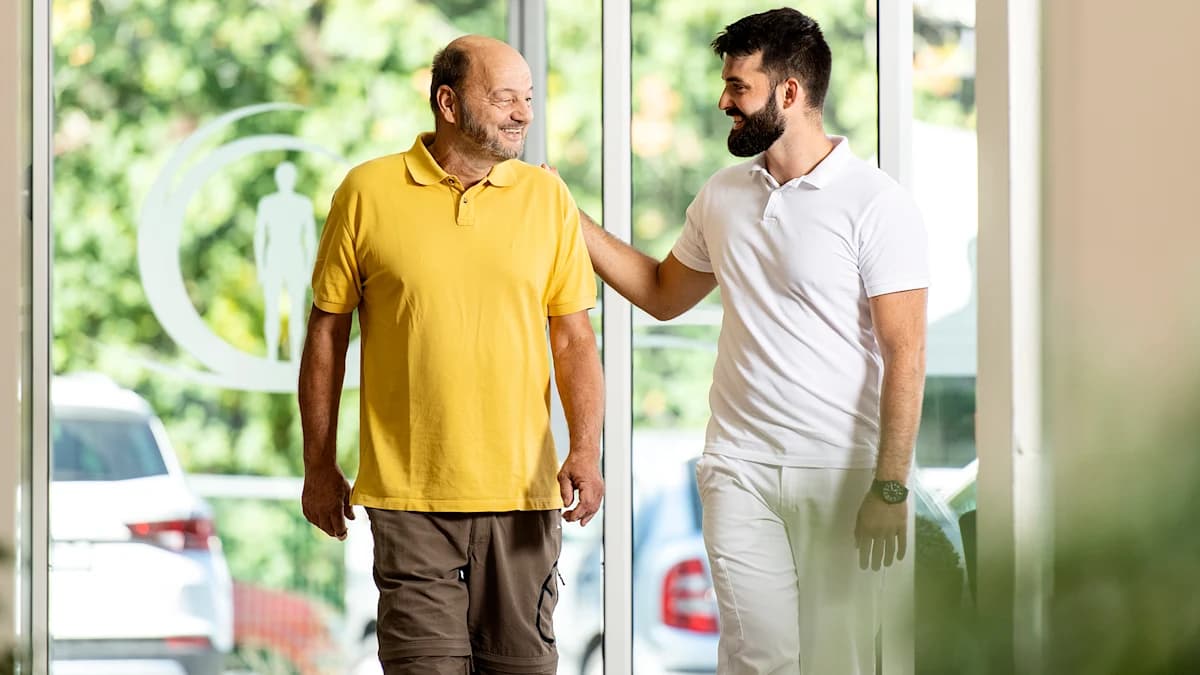
You will be put in touch with a prosthetic clinic where your prosthetist will explain the process leading to your fitting. Many factors determine when and which prosthesis you receive. Your prosthetist will give you detailed advice tailored to you.

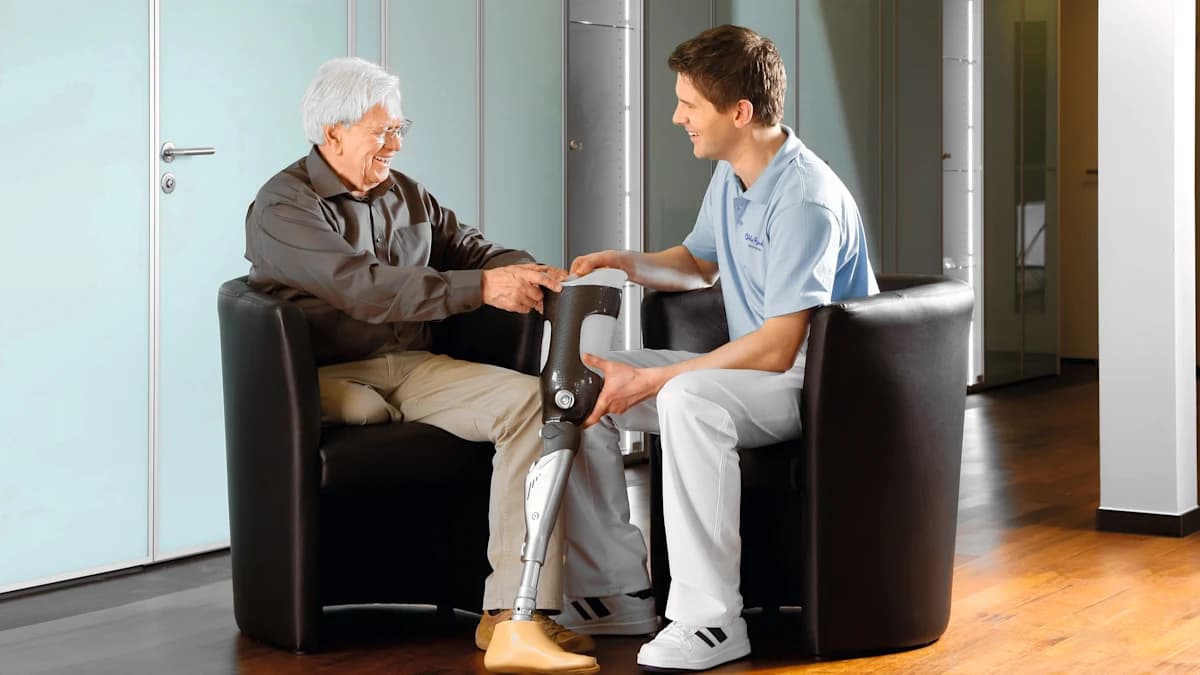
Patient receives an initial prosthetic fitting

You will be connected with a prosthetic clinic and a prosthetist who is familiar with prosthetic fittings. Ideally you will have already contacted your prosthetist before the amputation or while you are in hospital so that planning can begin early.

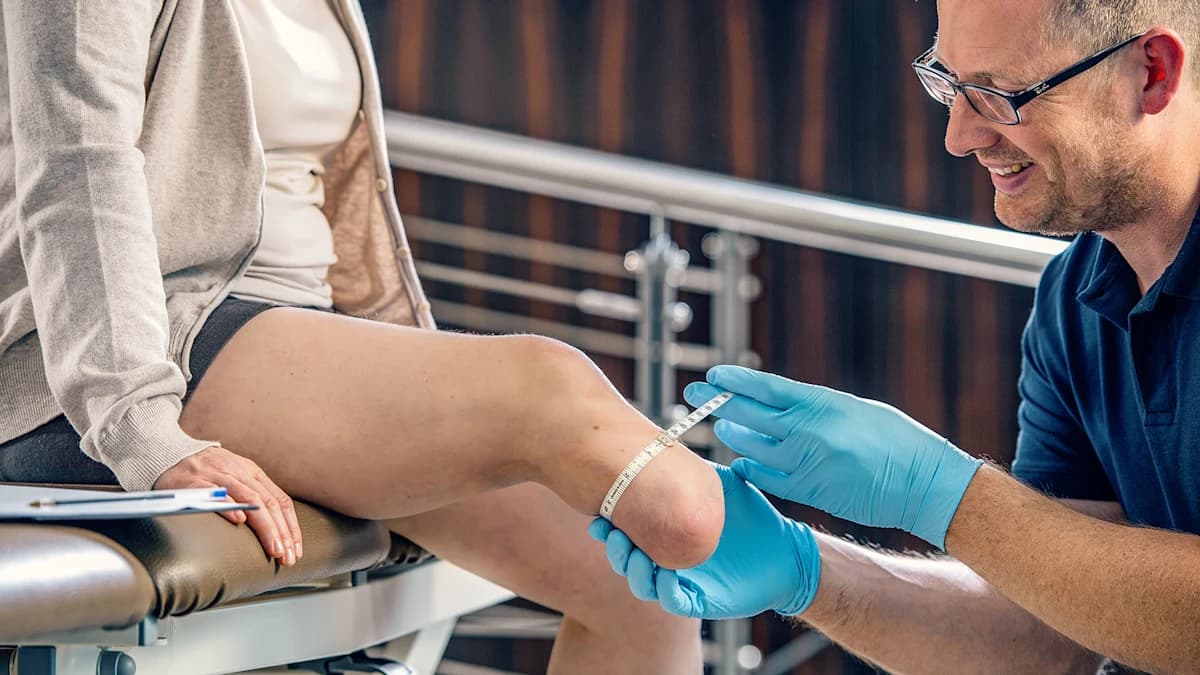
The timing is always decided case by case — the healing and recovery process is different for everyone. The better your residual limb is prepared for wearing a prosthesis, the better you will subsequently be able to use it. As a guideline your prosthetist will examine your residual limb shortly after the amputation and decide whether an initial prosthesis is an option. After the wound has closed (between two weeks and three months) measurements are usually taken and an initial prosthesis is fabricated. The final prosthesis follows once the residual limb has healed sufficiently and you are in good physical condition.

Various factors determine which prosthesis is suitable: physical fitness and activity level, amputation level, requirements for the prosthesis and your personal and working environment. Your prosthetist will advise you on all these aspects and select the most appropriate components together with you.

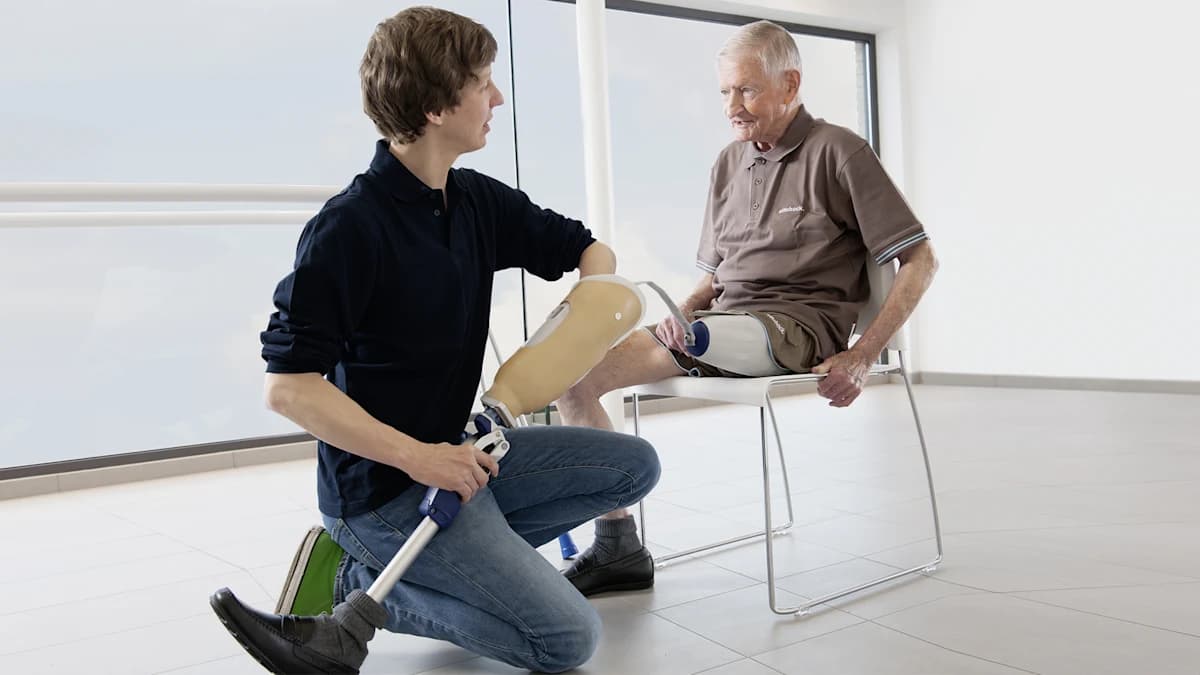
A prosthesis replaces your missing limb (foot, knee or hip joint) and is made of corresponding components. Your residual limb goes into a prosthetic socket that connects the prosthesis to your body. Connecting elements between components allow individual height adjustment and additional functions. Your prosthetist starts by selecting individual components based on your needs. Once a proper socket fit is achieved, the components are assembled. Alignment follows guidelines and tools such as the L.A.S.A.R. Posture, then you take your first steps with your new prosthesis.

In some cases an initial prosthesis can be fitted soon after amputation. You wear this interim prosthesis until you can be fitted with a final (definitive) prosthesis. An interim prosthesis allows you to put weight on the residual limb early and to begin walking and standing exercises. It is not suitable for everyone — your doctor, physiotherapist and prosthetist decide together. The interim prosthesis is also used to gradually adapt the socket and identify suitable components.

Following interim treatment, and once volume fluctuations of the residual limb have slowed, you receive a definitive prosthesis tailored exactly to your needs. This is the prosthesis you will use in daily life and it can be refined over time as your situation changes.

You may need additional walking devices alongside a prosthesis: canes, forearm crutches, anterior walkers or a wheelchair. Your prosthetist and occupational therapist help you choose what suits your physical fitness and can also advise on aids for your home environment.

Further information

Living with a leg amputation

Person speaking with a clinician before amputation

Before the leg amputation

Preparing for a planned amputation

Learn what happens leading up to a planned amputation and how you can prepare yourself.

Learn more
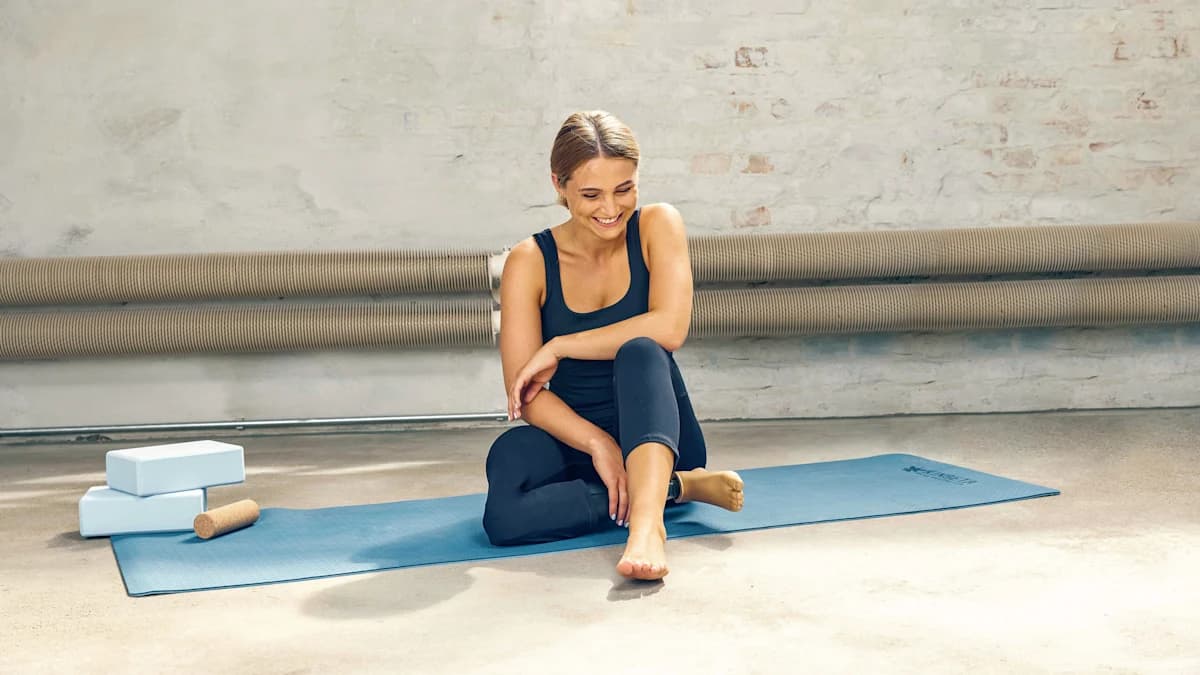
Woman with a prosthetic leg sitting confidently

First steps with a prosthesis

Rehabilitation and the leg prosthesis

Detailed information on caring for the residual limb, handling prostheses and gait training for a life with a leg prosthesis.

Rehabilitation and the leg prosthesis
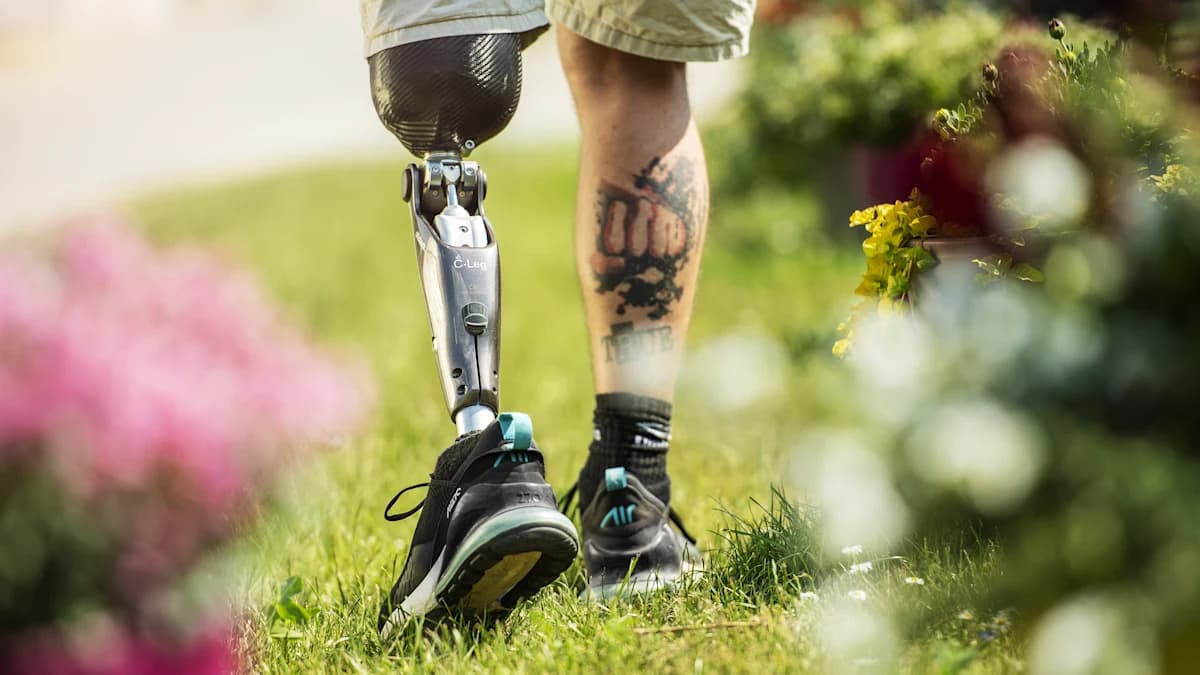
Man walking with a microprocessor knee

Discover prosthetic legs

Prosthetic legs

See how prosthetic legs help people regain mobility, rebuild confidence and explore the world again.

Prosthetic legs

Want to talk through the next steps?

Our specialist team is here to answer your questions about residual limb care, phantom pain management and the path to your first prosthesis. Get in touch and we'll guide you through every step.

Contact Us
Contact