
Getting ready
Preparing for your amputation surgery
An amputation is a major medical procedure that your care team will carefully plan and prepare you for. Find out what to expect from that important process.
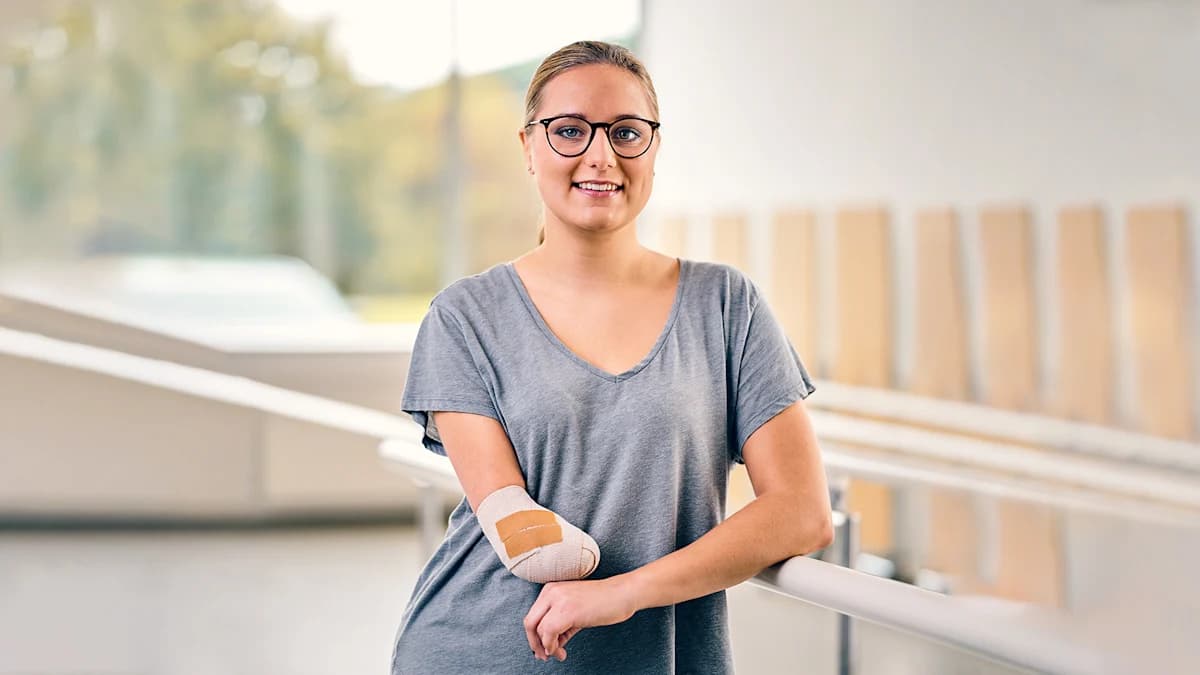
Life after an arm amputation
The rehabilitation process is critical for anyone who has recently lost a hand or arm. Learn how it can help heal your residual limb, restore your mobility, and prepare you for a prosthetic arm.
Schedule a consultationSummary
Directly after the operation, your recovery and the healing of the residual limb are the main concerns. Both are important so that you can begin rehabilitation soon and have a prosthesis fitted.
The following information is intended to prepare you for wearing a prosthesis. This makes it easier for you to use the prosthesis to best effect later on. Since we cannot address every individual case, we will only look at transhumeral amputations in the following.
Therapy begins shortly after the amputation. The wound is treated to prepare it for wearing a prosthesis. As soon as the surgical wound has healed properly, the actual prosthetic fitting and rehabilitation process can begin. In most cases, this takes up to six months.
Your own contribution becomes increasingly important in the course of therapy. Your rehabilitation team will support you. If you notice that certain measures listed here are not being implemented in your case, please ask your rehabilitation team. Your therapists can evaluate whether the measures would be useful for you.
Managing swelling
The first steps in amputation rehab begin immediately after your operation. In the days after surgery, your hospital care team will closely monitor your wound, carefully watch for any sign of infection, and ensure that your residual limb begins to heal properly.
One of the most important things your care team will focus on is swelling, or edema. Edema is a normal reaction to an amputation operation and will typically go down over time. But if it lasts too long, it can slow down your healing and make it harder to fit a prosthesis. Right after surgery, you and your care team will start working together to make sure any swelling goes down over time.
At first, your hospital care team will only loosely bandage your residual limb to avoid putting any additional pressure on your wound and stitches. They will regularly change this bandage as they monitor you.
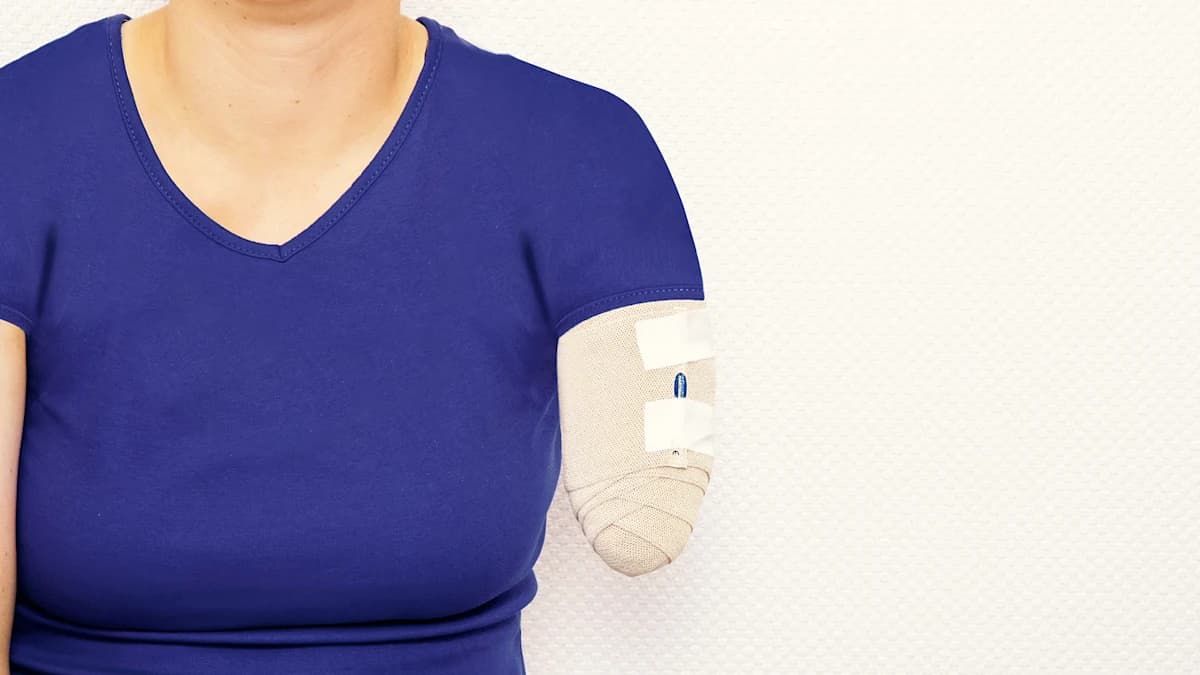
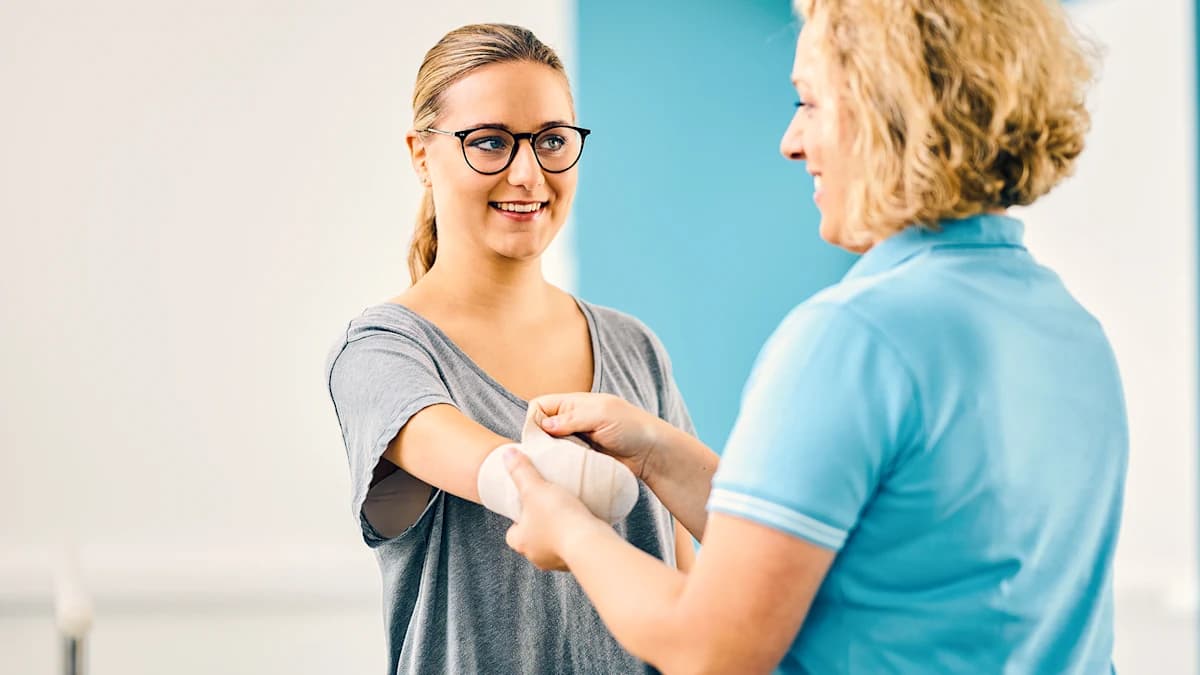
Once your doctor or surgeon decides you are ready, your care team will wrap your wound in a tighter dressing that fits snugly to your residual limb. This is called compression therapy, which helps reduce pain, heal your scar, improve blood flow, and reduce swelling. It also helps shape your residual limb for your future prosthetic. Compression bandage: This adjustable elastic bandage is designed to wrap around your residual limb, applying firm pressure that decreases toward your body. The wrap can be adjusted as needed throughout the day. Putting on a compression bandage takes some practice. In most cases, someone on your care team will help you apply it at first, then teach you to do it yourself. A compression bandage should never be painfully tight or cut off feeling in your residual limb. Silicone liners: These devices are a quick, easy-to-use alternative to a compression bandage and come in many ready-made sizes. If you decide to try a silicone liner, always make sure no air is trapped at the end of the liner once you put it on. This helps the liner apply pressure to your wound as evenly as possible.
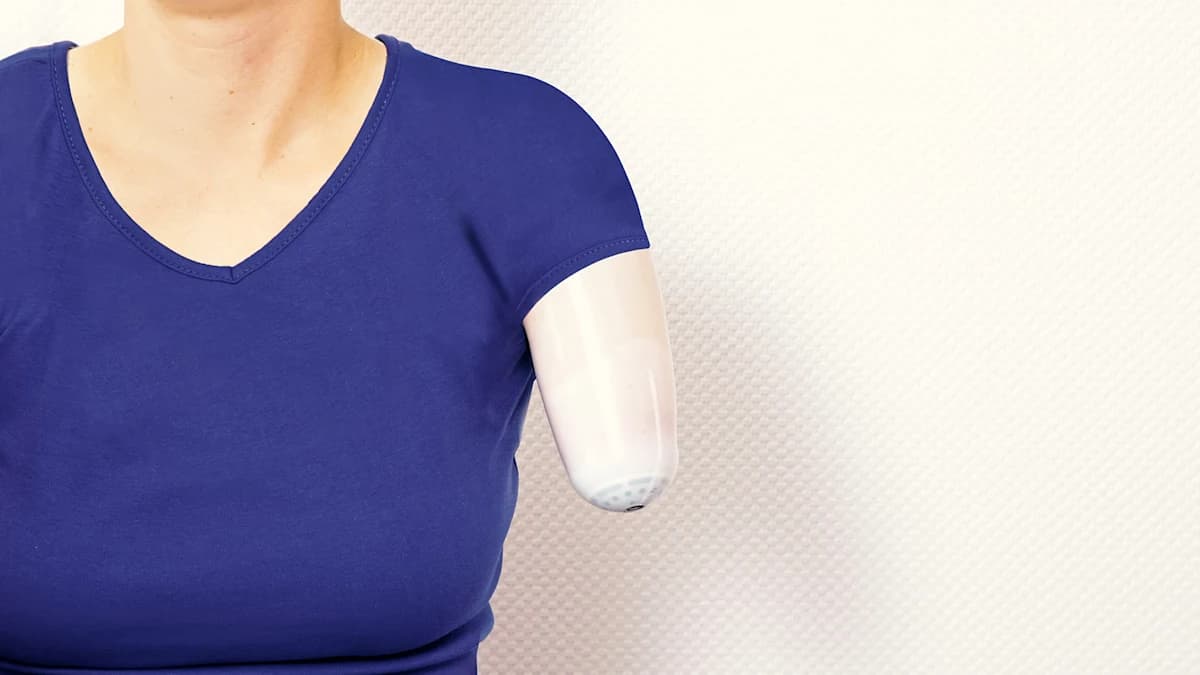
Your care team will typically have you continue compression therapy until they can tell that your residual limb is no longer changing size (a sign that the swelling is gone). During this time, they will train you or your caregiver to use your compression bandage or silicone liner at home. Once your care team decides you can stop compression therapy, you will be ready for an important new step: trying out your first prosthesis.
Training exercises
While you and your care team are working to manage any post-surgical swelling in your residual limb, you will also start taking the first steps toward using a prosthesis. These steps typically include:
After surgery, you will naturally want to put your residual limb in the most comfortable, least painful position possible. You may rest it on a pillow or prop it up. While this may help reduce your pain at first, it can also cause your remaining arm muscles to shorten and stiffen. This can limit the amount of mobility you achieve later on. Over time, your hospital care team will encourage you to leave your residual limb extended by your side as much as possible when you are not exercising or caring for it.
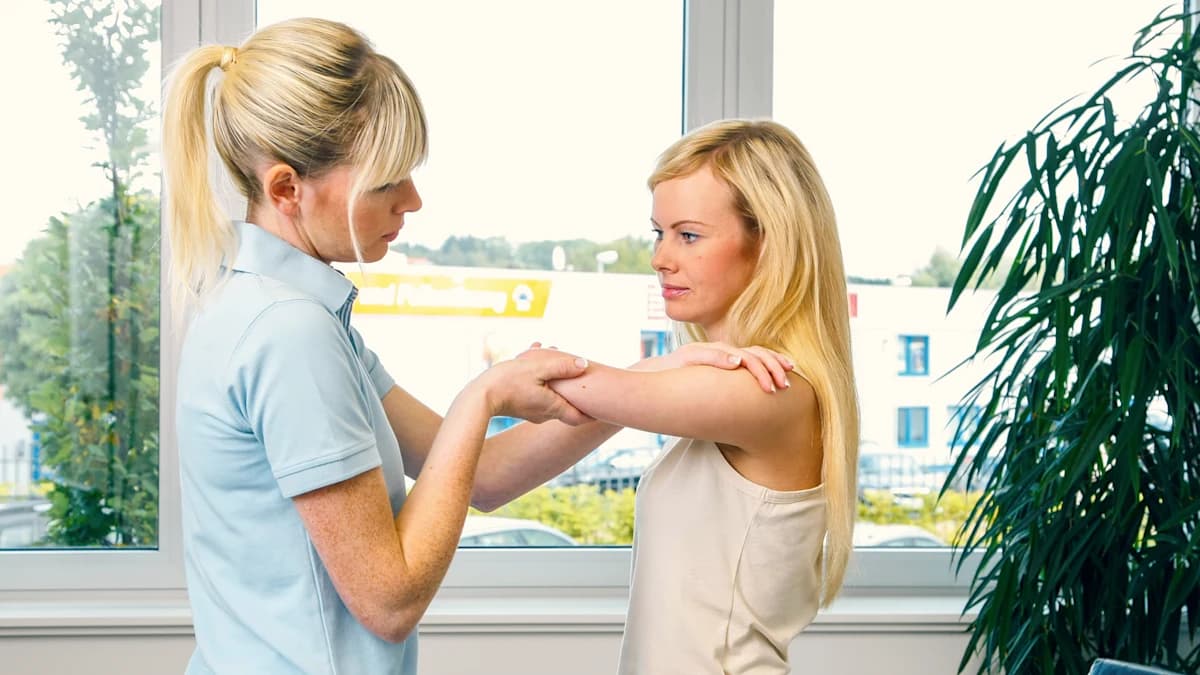
As soon as possible after your surgery, your care team will encourage you to start moving your residual limb a few times every day. This exercise can help improve your mobility, balance, and circulation, and also help you achieve the greatest range of motion possible once you start using a prosthetic. It is particularly important to get your shoulder moving again (if possible), because it may otherwise stiffen and limit your ability to move your arm. Your care team will show you how to move and position your residual limb in ways that best support your recovery.
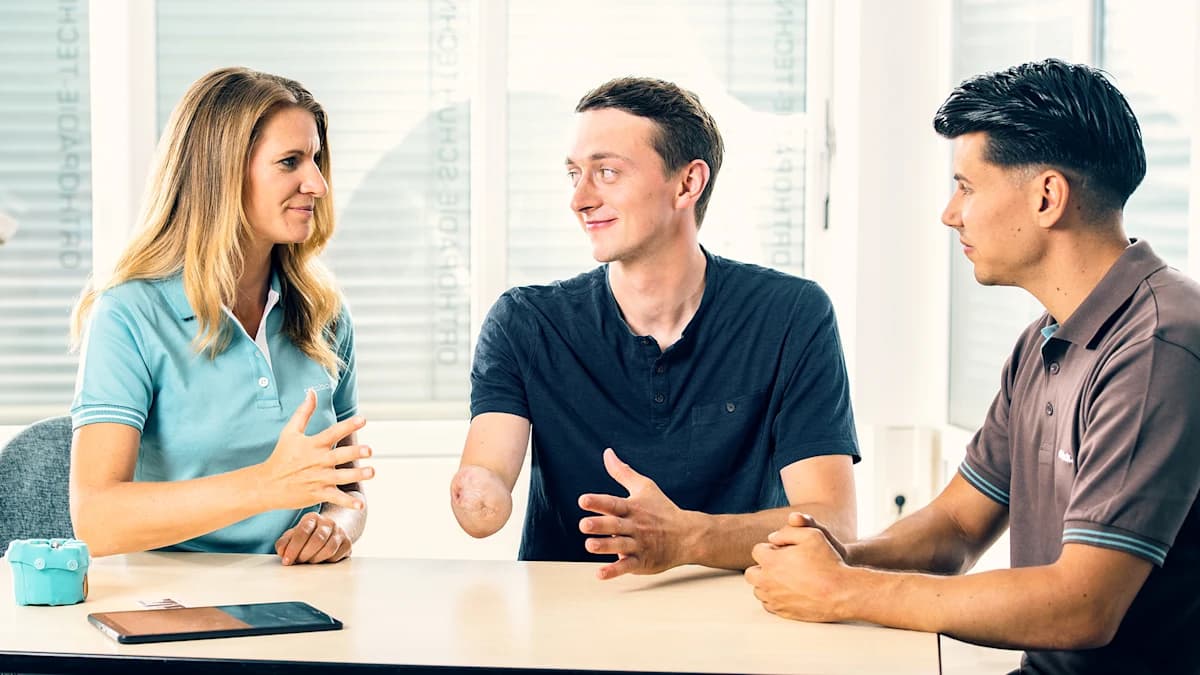
As you start to move your residual limb again, you may notice that having an upper limb difference can affect other parts of your body too. For example, it is normal to feel some strain on your back. That is because your body's weight and balance have shifted, and your muscles need time to get used to the change. You can help by regularly exercising your upper body, shoulders, torso, and legs. Doing so helps your body adapt to its new balance, strengthens important muscles that support your residual limb, and sets you up for greater independence after your recovery.
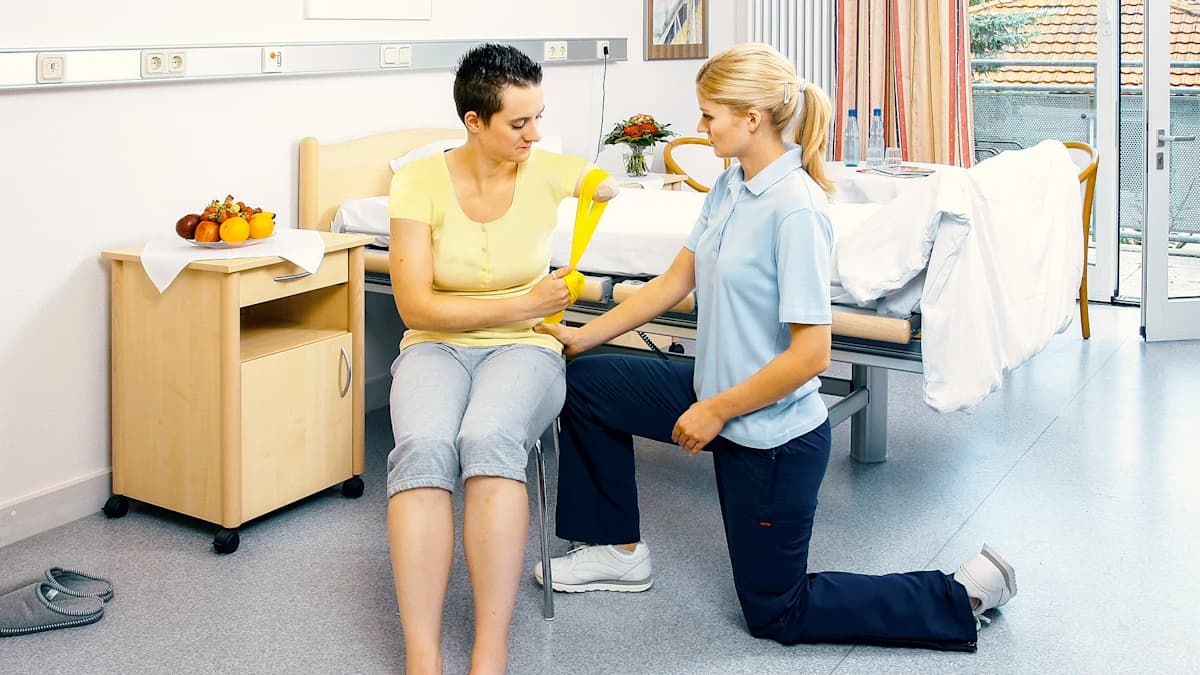
After you lose a hand or arm, you may soon find you need to rely on your remaining limb in many new ways (especially if you have lost your dominant hand). As you work on strengthening your residual limb, your care team will also show you useful ways to build new skills on your sound side. These may include important daily activities, like brushing your teeth, typing, or using a smartphone, that you may want to be comfortable doing one-handed.
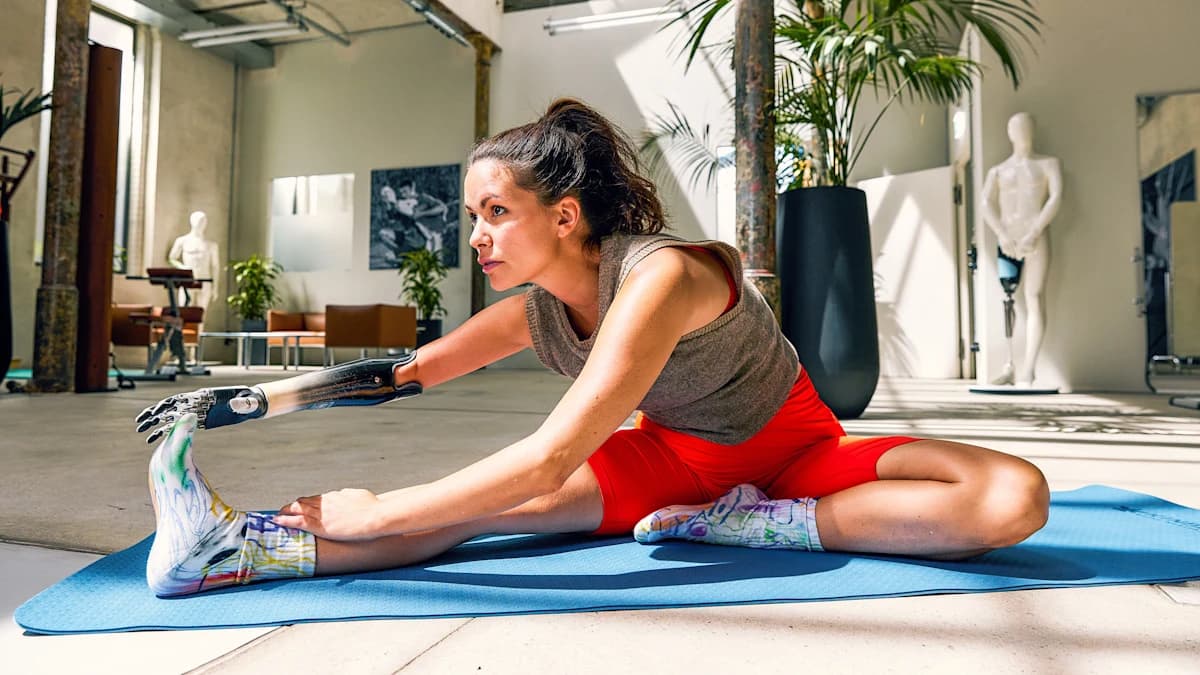
Skin & scar care
In most cases, amputation wounds close in three to four weeks and then start forming a scar. But while your scar may look like it has healed after a few weeks, the full healing process takes much longer, typically about eighteen months.
During that time, caring for your skin and scar is a top priority. A few key steps can help you ensure your residual limb heals successfully and that it is ready for a prosthesis when you are ready to start using one.
In the hospital, the nursing staff and doctors took care of your residual limb by cleaning the wound and changing the bandages. In the rehabilitation phase, you now care for your residual limb, the scar, and also your sound arm yourself. Being able to wear your prosthesis without problems requires ongoing, intensive care.
After your amputation, the skin on your residual limb may be uncomfortably sensitive. There are a few ways you can reduce that discomfort: • Gently rub or tap your skin with a soft brush or a spiky massage ball. This will help slowly increase the amount of pressure your skin can take. • Gently rub down your residual limb with a bath towel or washcloth. Whichever you try, always start at the end of your residual limb and work toward your body.
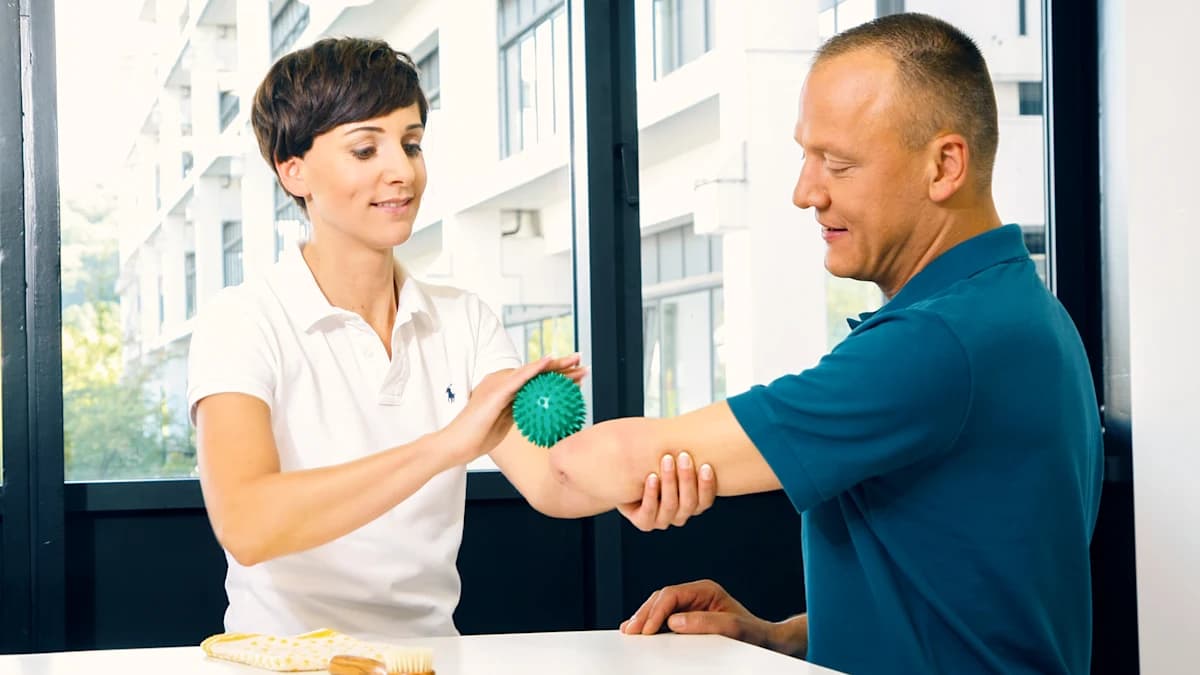
Keeping your residual limb clean is also very important. Wash it every day with lukewarm water and an unscented, skin-friendly soap. There are several care products that can help you clean your skin or scar. Or you can ask your prosthetist for recommendations.
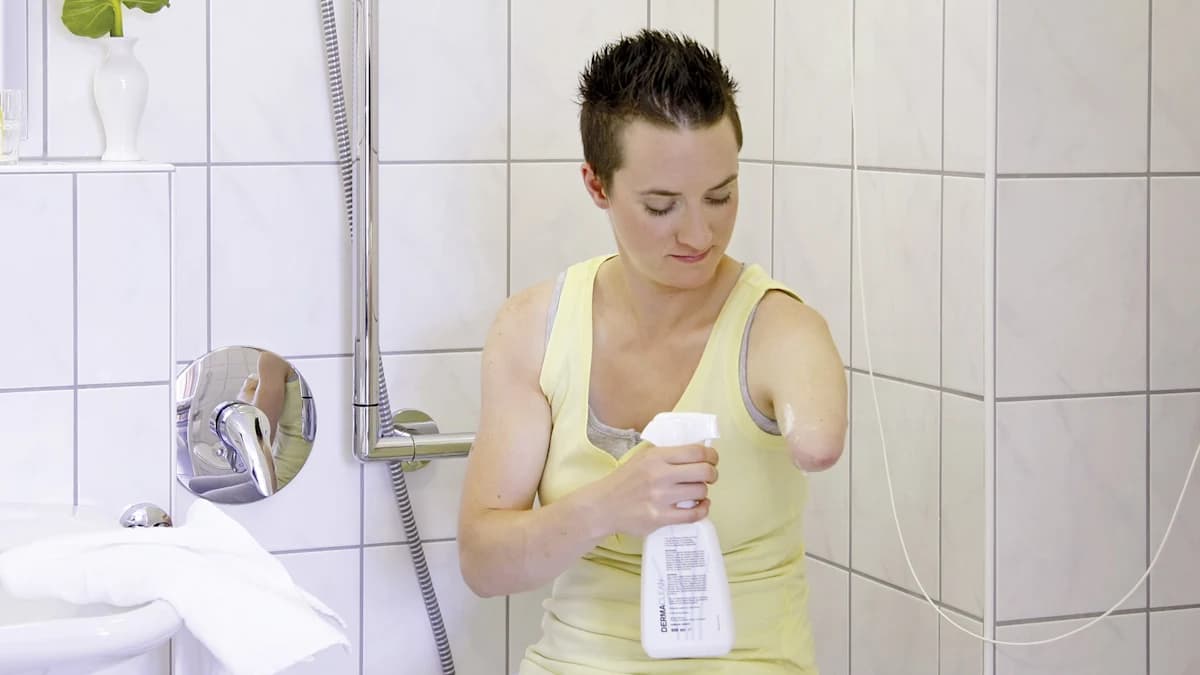
Regularly moisturise your scar and the skin around it. Scars cannot produce the moisture that typically keeps your skin soft and flexible, which it will need to be when you start wearing a prosthesis. A prosthesis combined with rough, dry skin can be a painful combination, one that makes it much harder for you to consistently wear your device.
Unscented moisturising creams are often a good choice. Ask your prosthetist for their recommendation. They are always the best place to start when you need advice on how to get the most out of your prosthesis.
Learn more
Getting ready
An amputation is a major medical procedure that your care team will carefully plan and prepare you for. Find out what to expect from that important process.

Moving forward
A prosthetic arm can make a big difference in your day-to-day life, but learning to use one takes lots of practice. Find out how to pick the right device and get the most from it.

Joining the community
Discover a remarkable group of people who have come together to share their experiences, inspiration, tips, and tricks for living an empowered life with a prosthesis.
From the time of surgery to the full prosthetic fitting and adaptation, the process typically takes about six months. Wound healing alone is usually complete after three to four weeks, but full scar maturation continues for around eighteen months. The exact timeline depends on your overall health, the level of amputation, and how your residual limb responds to therapy.
Your care team will start preparing you for a prosthesis as soon as your wound has healed properly and the swelling in your residual limb has stabilised. In most cases, an interim or training prosthesis can be considered within a few weeks after surgery, with a definitive prosthetic fitting following once your residual limb is no longer changing in shape.
Compression therapy reduces pain, improves blood flow, and helps shape your residual limb for a future prosthesis. It also speeds up the reduction of edema (swelling), which is essential before any prosthesis can be fitted. Both elastic bandages and silicone liners can be used, depending on what suits you and what your care team recommends.
Hypersensitivity is a common reaction after amputation. Gentle desensitisation techniques such as soft brushing, tapping with a massage ball, or rubbing the skin with a towel from the end of the limb toward the body can help. Over time, your skin's tolerance increases and wearing a prosthesis becomes much more comfortable.
Yes. Daily movement of the shoulder, residual limb, back, and torso prevents stiffness, supports good posture, and prepares your body to control a prosthesis effectively. Your therapy team will design a programme that fits your physical condition and progress.
Your rehabilitation team — surgeons, physiotherapists, occupational therapists, and prosthetists — works together throughout the process. You can also benefit from peer support groups and from hearing the stories of other prosthesis users. Get in touch with us to plan your personal rehabilitation and prosthetic fitting.
Our specialist team will guide you through every step of rehabilitation after an arm amputation and help you prepare for your prosthetic fitting.
Contact Us