Recovery
Rehab after your hand or arm amputation
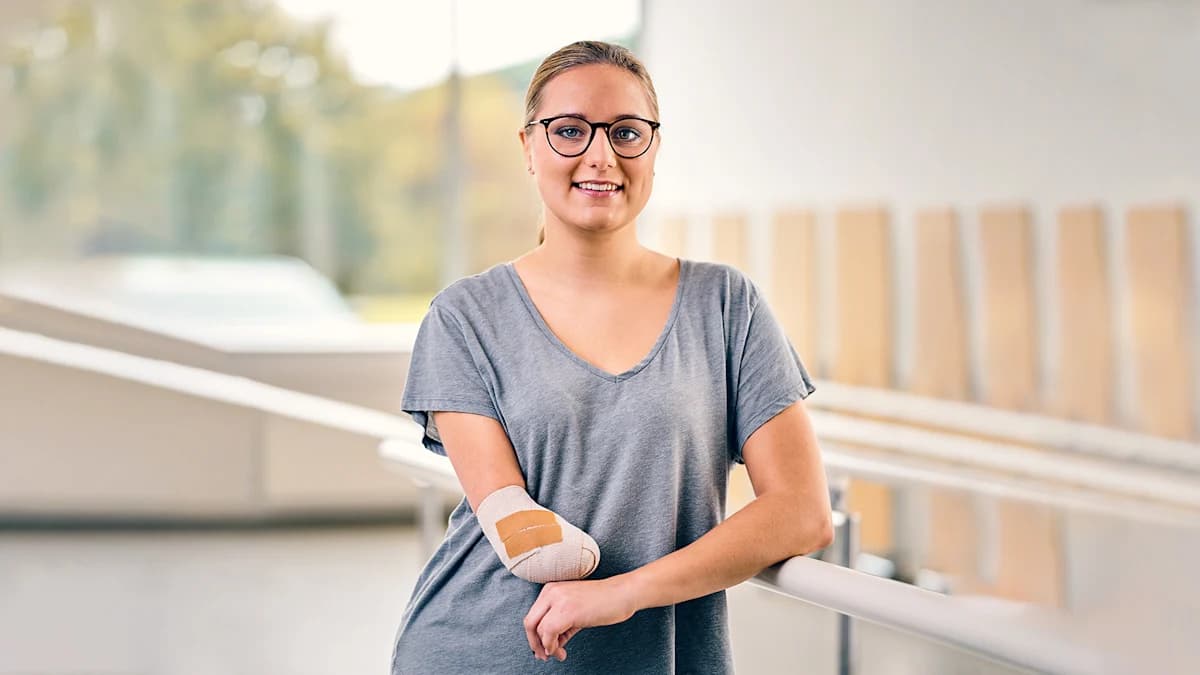
After your procedure, you and your care team will work together to help you manage your residual limb and learn to use a prosthesis. See what the rehab process looks like.
Read more
Life with an arm amputation
You and your care team are getting ready for both a major medical procedure and big changes in your everyday life. Learn more about what to expect and how to prepare.
Snapshot
No matter the reason why you need amputation surgery, you are preparing for a life-changing event. You may have known for a while that you will lose your hand or arm, or you may have just found out. Either way, you have an enormous amount on your mind right now.
While you are facing this difficult process, remember that you are not going through it alone. Your family, friends and wider care team will be there at every step to help you physically and mentally prepare — for the procedure, for your recovery and for your new life.
Here are a few of the topics they will discuss with you, and that you will learn about in this article:
Reasons for amputation
Amputation — the surgical removal of a body part — can be necessary for a number of different reasons. Your doctor or surgeon may have told you that you need one because of an injury, a medical condition in your hand or arm, or as the result of a bigger health issue affecting your limb.
Your doctor or surgeon will usually decide you need an amputation when they find a problem with your hand or arm that is unlikely to heal, or that may put your life at risk if the limb is not removed. Some common causes are:
Types of amputation
Just as there are many reasons your arm or hand may need to be amputated, there are different forms of amputation surgery that your care team may plan for you.
Before your procedure they will consider a number of factors that determine the best "amputation level" — simply, where and how your limb will be removed. Some of those considerations include:
Your amputation level can also be an important factor in which prosthetic devices will be most valuable and practical for you. During the planning process, you and your care team may talk to a professional prosthetist who can help find the right device based on your amputation, lifestyle and favourite activities.
Below are the different levels your care team may select, with some typical prosthetic options for each one.
This amputation level involves the removal of any portion of your hand below the wrist. It can include one or more fingers or your entire hand. A hand or finger amputation typically leaves your wrist joint intact. Prostheses to plan for: • Finger and/or partial hand prostheses • Custom cosmetic silicone solutions to restore your hand's natural appearance
In this procedure your hand is removed at the wrist joint, which can no longer move or rotate. Most people who have a wrist disarticulation can still use a prosthesis that attaches to their forearm. Prostheses to plan for: • Prosthetic hands such as the VariPlus Speed, Michelangelo or bebionic • A custom socket that connects the prosthesis to your residual limb • Connectors and adapters for the different components of your prosthesis
This form of amputation involves removing your hand and a portion of your forearm. Depending on your surgery, your remaining forearm may be long, medium length or short. It may also extend just below your elbow. Prostheses to plan for: • Prosthetic hands such as the VariPlus Speed, Michelangelo or bebionic • A custom socket that connects the prosthesis to your residual limb • Connectors and adapters for the different components of your prosthesis
With this form of amputation your whole forearm is removed at the elbow joint. The procedure preserves your upper arm, but your elbow will no longer be able to move or rotate. Prostheses to plan for: • Prosthetic hands such as the VariPlus Speed, Michelangelo or bebionic • A prosthetic elbow joint such as DynamicArm • A custom socket that connects the prosthesis to your residual limb • Connectors and adapters for the different components of your prosthesis
This form of amputation involves removing your arm midway through the upper bone called the "humerus". The remaining portion of your upper arm may be long, medium length or short. Prostheses to plan for: • Prosthetic hands such as the VariPlus Speed, Michelangelo or bebionic • A prosthetic elbow joint such as DynamicArm • A custom socket that connects the prosthesis to your residual limb • Connectors and adapters for the different components of your prosthesis
This amputation level involves removing your entire arm from your shoulder joint. Depending on how your surgeon performs the procedure, some parts of your shoulder may be affected as well. Prostheses to plan for: • Prosthetic hands such as the VariPlus Speed, Michelangelo or bebionic • A prosthetic elbow joint such as DynamicArm • A custom socket that connects the prosthesis to your residual limb • Connectors and adapters for the different components of your prosthesis
Sometimes called a "through shoulder" amputation, this procedure removes your arm, shoulder joint and shoulder blade, as well as part of your collar bone. Prostheses to plan for: • Prosthetic hands such as the VariPlus Speed, Michelangelo or bebionic • A prosthetic elbow joint such as DynamicArm • A custom socket that connects the prosthesis to your residual limb • Connectors and adapters for the different components of your prosthesis
How to prepare
Losing a hand or arm is a major medical procedure, and your care team will plan and prepare you for it as carefully as possible. Below are some of the key steps in that process, plus valuable ways to find the support you need as you get ready for your surgery.
(If you have an accident or sudden injury, you and your care team may not have time for all of these steps. However, many of them — like talking to other amputees and seeking mental health support — are still important to consider after your procedure.)
Once your doctor or surgeon decides you need an amputation, they will give you a detailed explanation of:
Take notes and ask as many questions as you need during these discussions. Your doctor or surgeon is there to help you understand the whole amputation process, how it will affect you and how you need to prepare.
If you are having a scheduled amputation procedure, your care team will also conduct a set of thorough pre-op examinations. These exams typically include blood tests, x-rays and tests to check the strength and stability of your heart and lungs.
Before your procedure, your care team will also show you some important exercises you should start doing.
These physical activities can help you strengthen your muscles in ways that make your recovery easier and more successful. Your doctor or a physical therapist on your care team will explain which ones are most important for you to do.
They may also have you speak to a professional prosthetist who can tell you which exercises will help you prepare for a prosthetic device. This specialist can help explain which devices may be best for you and how to get ready to use one.
When you are getting ready for an amputation surgery, it is important to prepare both physically and psychologically.
Take advantage of the time before your procedure to calm your mind and get yourself mentally ready for a life-changing event. There are a number of ways you can do so:
Do not wait to get yourself mentally ready for this difficult process and new chapter in your life. The sooner you find the right support, the easier it will be to overcome the fear, doubt and anxiety that naturally come with such a significant change — and the better prepared you will be for a successful recovery.
When you are facing any life-changing event, there is often no substitute for talking to other people who have been through the same experience.
While you are preparing for life with an upper limb difference — or already getting used to it — ask your care team to help connect you with the amputee community or support groups for people who share your medical condition. Talking to people who have been through what you are facing can help you build the courage to succeed.
Learn more
Recovery
After your procedure, you and your care team will work together to help you manage your residual limb and learn to use a prosthesis. See what the rehab process looks like.
Read more
Moving forward
A prosthetic arm can make a big difference in your day-to-day life, but learning to use one takes practice. Find out how to choose the right device and get the most from it.
Read more
Joining the community
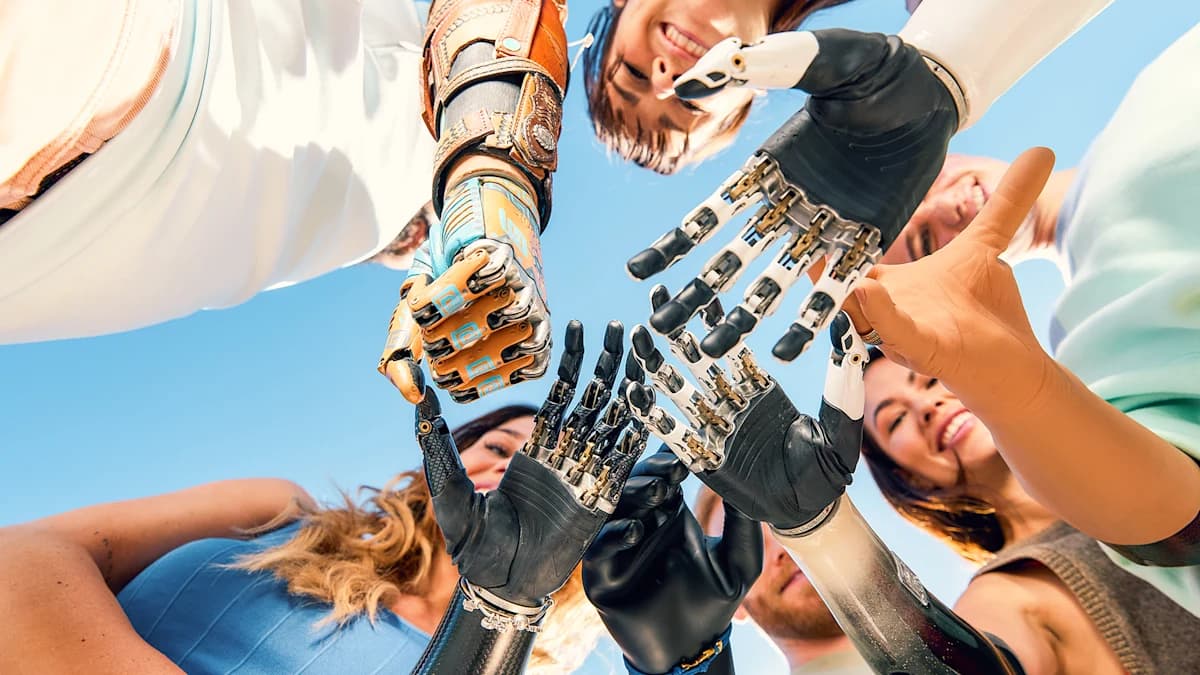
Discover a remarkable group of people who have come together to share their experiences, inspiration and tips for living an empowered life with a bionic hand.
Read moreReach out to our team for personal guidance, product information and to be connected with experienced clinicians and peer support.
Contact us