Heritage
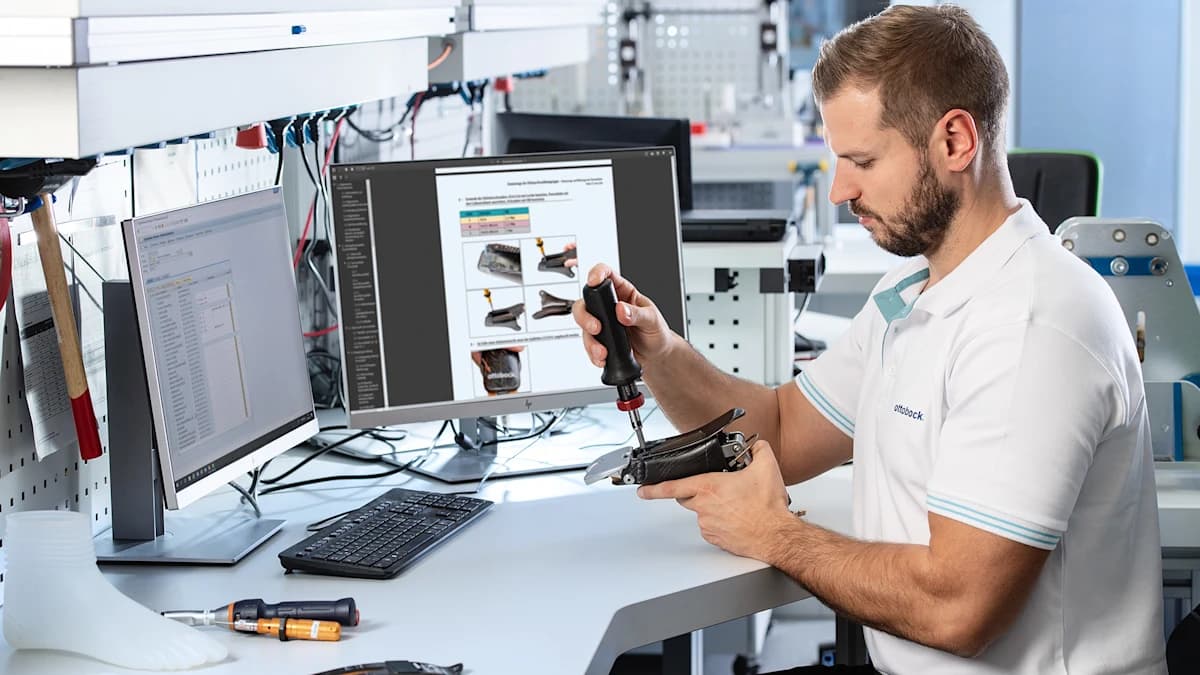
For generations, Ottobock feet have helped define what's possible with lower limb prosthesis. With every step, our feet carry on the legacy of innovation and reliability.
Lower Limb Prosthetics
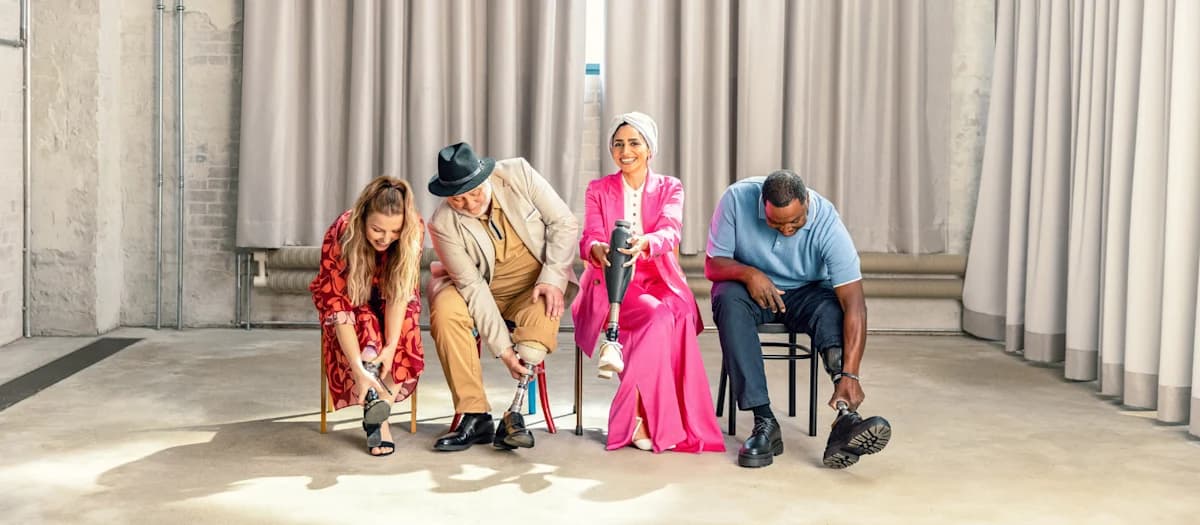
Your prosthetic foot makes everything else possible. Whether you're an above or below knee amputee, the quality and performance of your whole prosthesis will be impacted by the quality and performance of the prosthetic foot.
With a wide range of Ottobock prosthetic feet you can be sure that, together with your prosthetist, you will find the one to suit your personal needs. Whether it is a foot made out of carbon or a microprocessor controlled foot — our whole portfolio is based on the same idea: building a foundation.
For generations, Ottobock feet have helped define what's possible with lower limb prosthesis. With every step, our feet carry on the legacy of innovation and reliability.
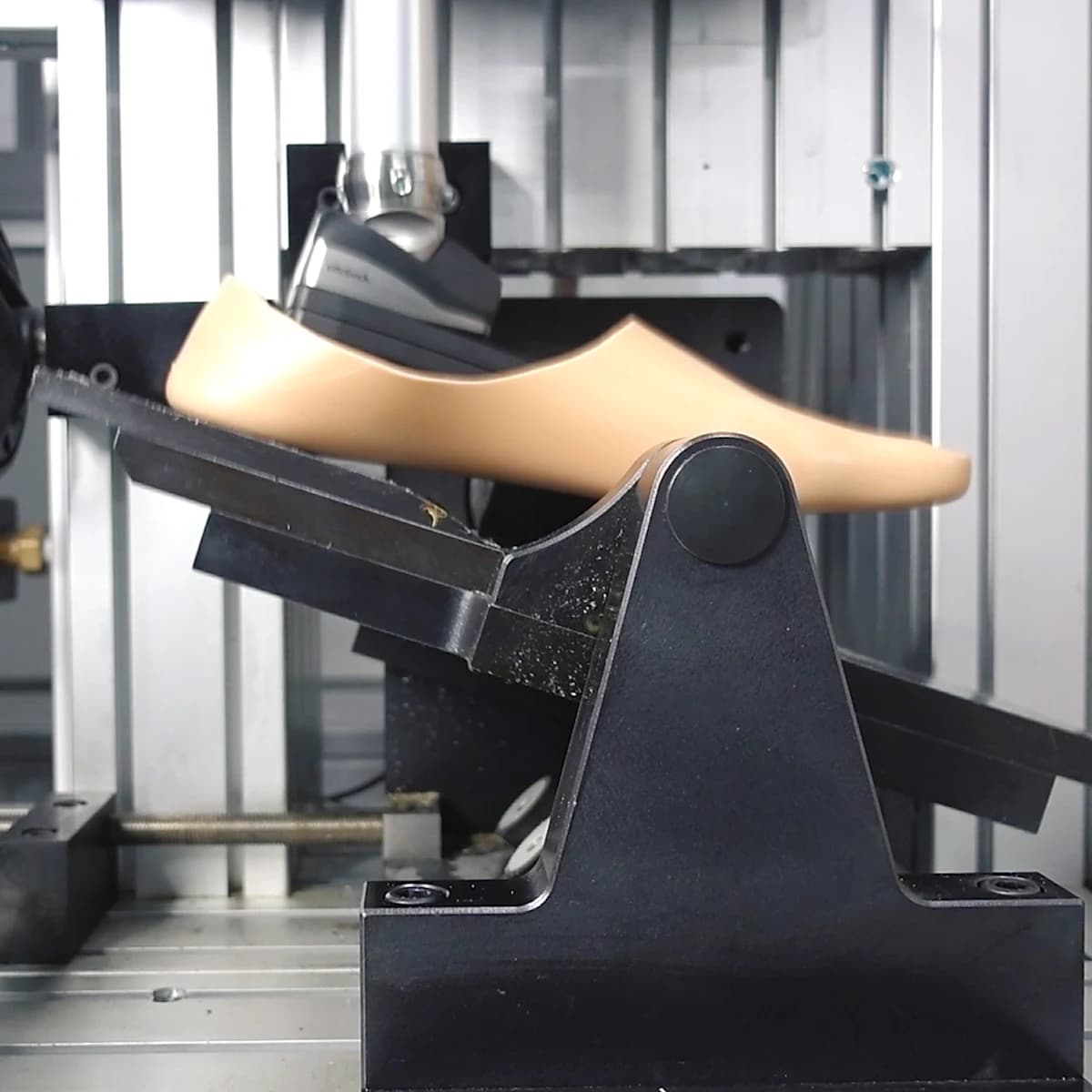
Every detail within a prosthetic foot can make a difference to your daily life. That's why when designing a foot, we treat each detail like it's the most important one.
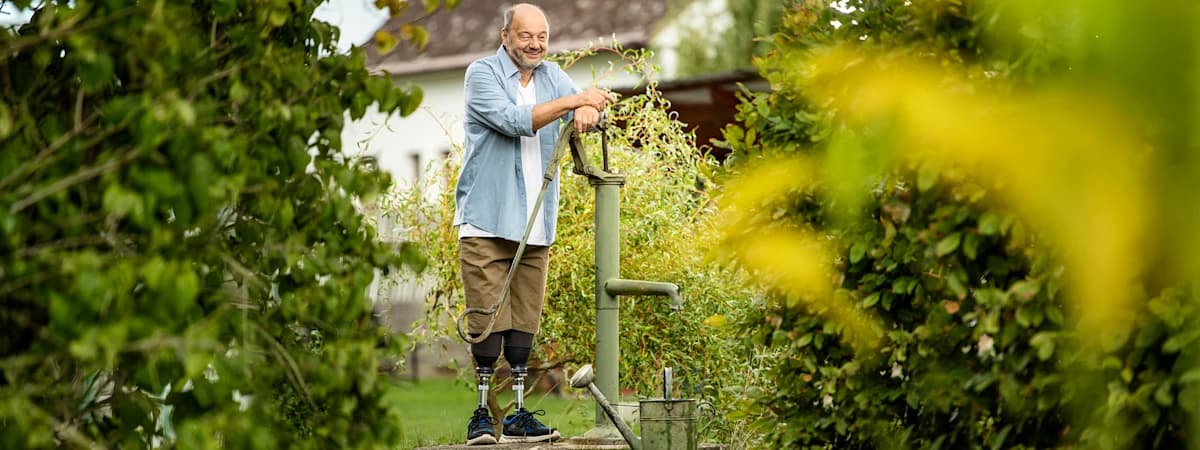
If you decide together with your prosthetist for an Ottobock foot, you can trust that you have chosen a foot that has been meticulously designed, rigorously evaluated and preferred by amputees around the world.
Designing a prosthetic foot is complex — it's difficult to reproduce the natural movement of the human foot and ankle. Ideally, a prosthetic foot should be lightweight because its weight is added to the rest of the prosthetic leg.
In addition to being light, a prosthetic foot must also be strong. It needs to withstand the significant forces and torque generated during walking and running, while remaining small enough to fit within a foot shell and shoes.
Modern prosthetic feet offer advanced features and are secured in a foot shell. The cosmetic shell gives the foot a natural anatomical appearance and allows it to fit comfortably inside everyday shoes.
Choosing a prosthetic foot that best suits your personal requirements, needs and goals is a complex task. Your prosthetist's education, experience and biomechanical knowledge will help find the best fitting outcome for you individually.
For above-knee amputations, the type of knee joint will influence the choice of foot. For below-knee amputations, the residual limb length and condition guide the selection.
From limited indoor walkers to highly active outdoor users — the foot must match the demands you place on it every day.
A prosthetic foot must be sized and rated to handle your body weight safely while delivering responsive performance.
The available space between your residual limb and the floor determines which feet will physically fit your prosthesis.
Most Ottobock feet are available across a wide size range, including paediatric and adult options.
Your lifestyle, sports goals and personal expression all matter — your foot should feel like a natural extension of you.
Your activity level reflects how you use your prosthesis day-to-day. From limited indoor walking to unrestricted outdoor activities and sports, each level guides the choice of components — including the right prosthetic foot.
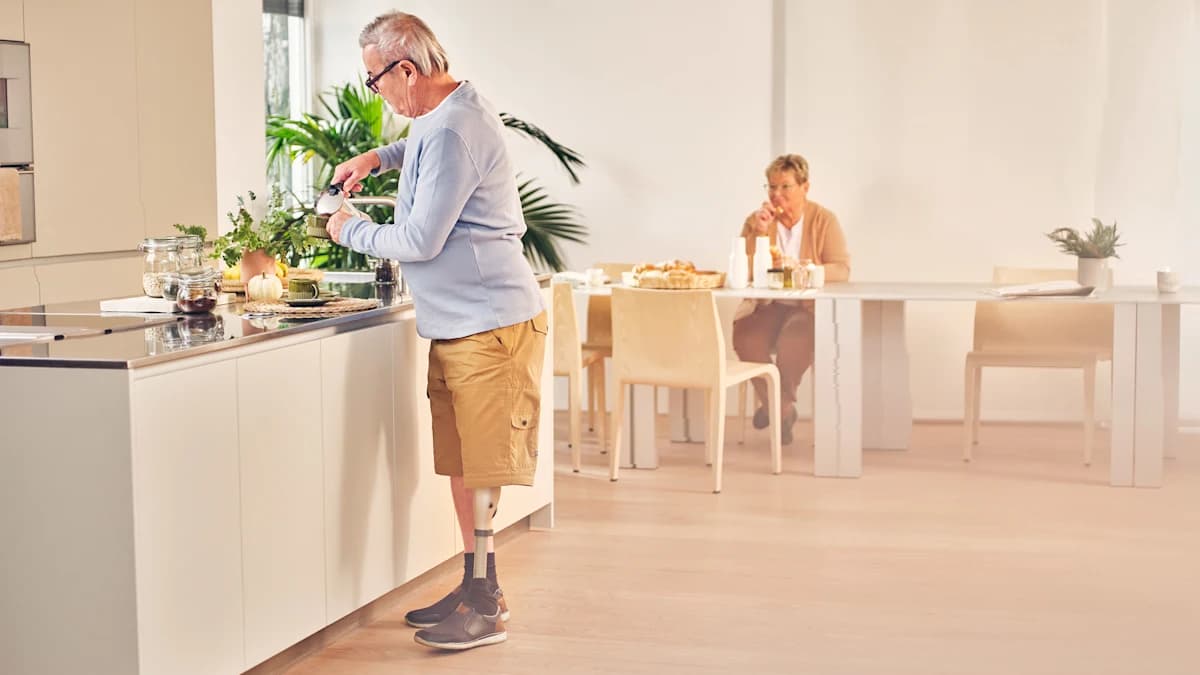
The amputee has the ability or the potential to use the prosthesis for transfers or for the purpose of moving slowly on level floors. The amount of time and the distance the amputee can walk are seriously limited due to their condition. Therapy goal: Restoring the ability to stand and walk for short distances on even surfaces.
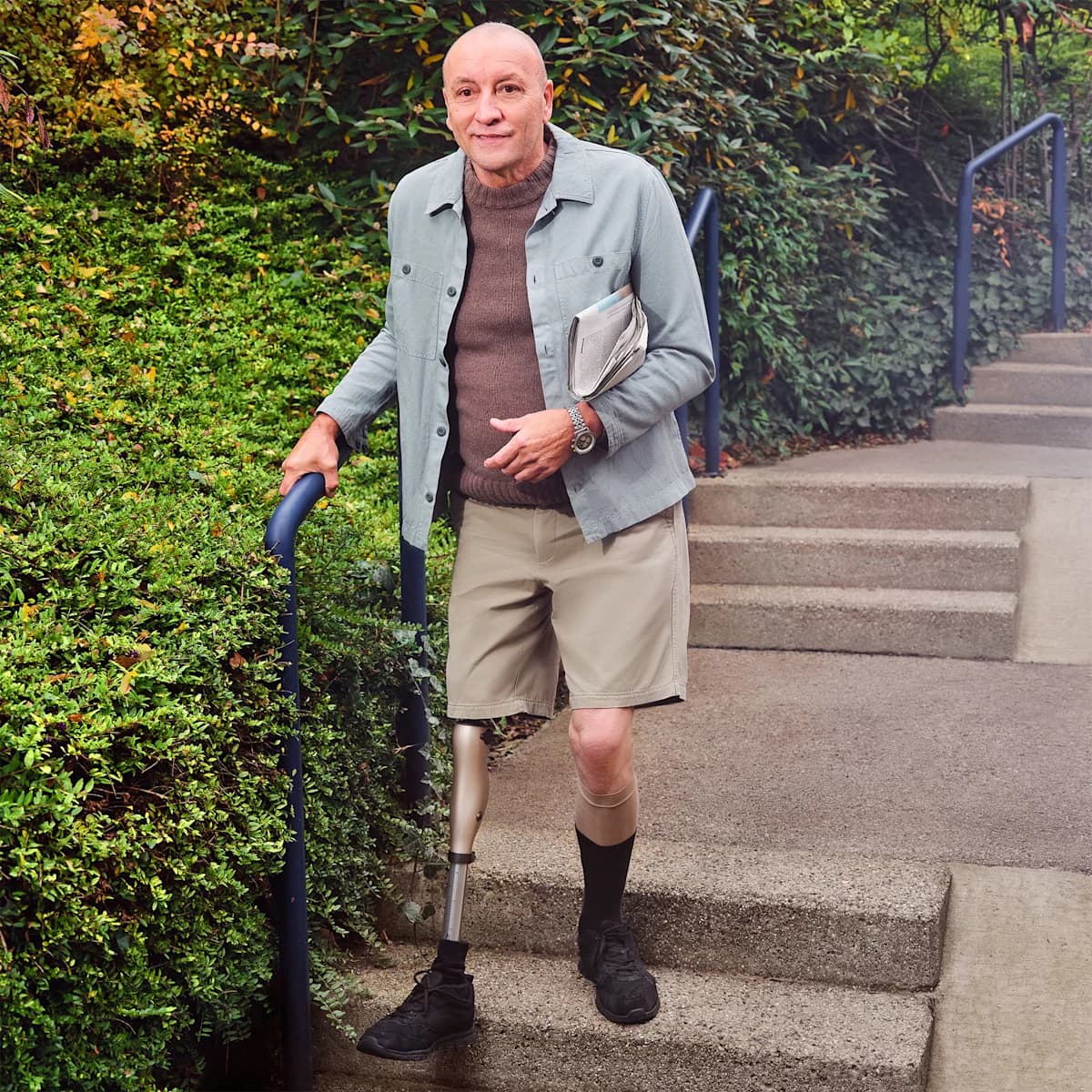
The amputee has the ability or the potential to walk slowly with the prosthesis and to negotiate low environmental obstacles like curbs, single steps or uneven surfaces. The amount of time and the distance the amputee can walk are seriously limited due to their condition. Therapy goal: Restoring the ability to walk both indoors and outdoors with the help of a prosthesis.
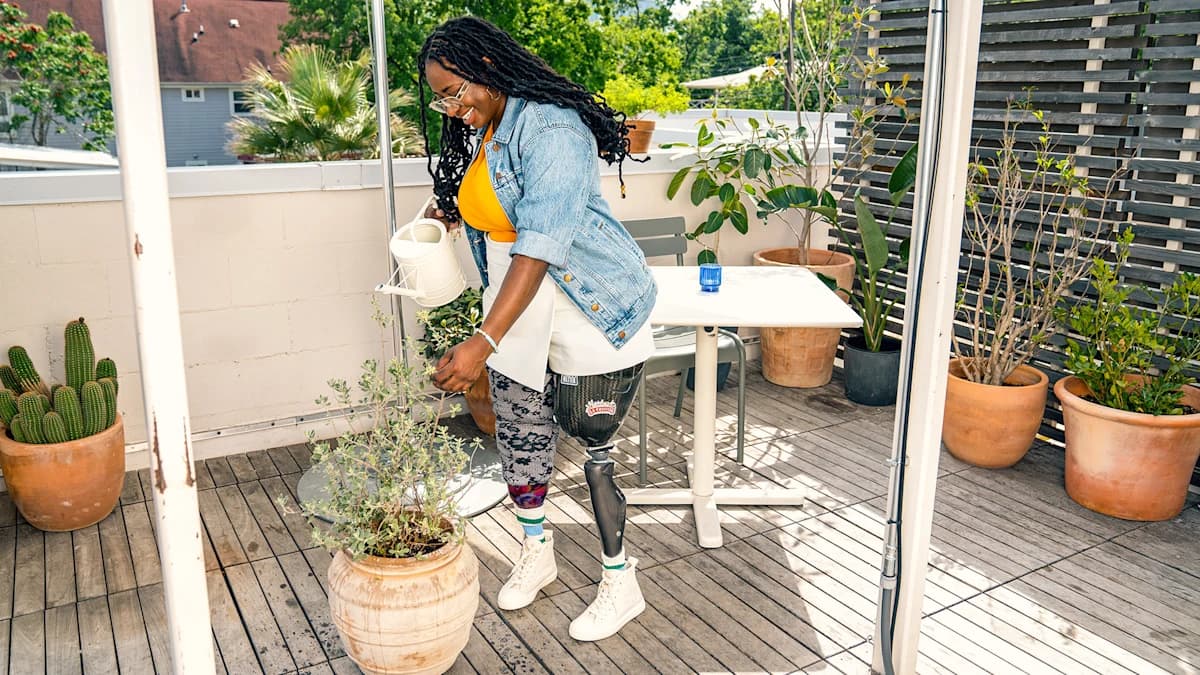
The amputee has the ability or the potential to walk at varying speeds and to negotiate most environmental obstacles. The amputee may also have the ability to perform vocational, therapeutic or exercise activities that demand prosthetic use beyond simple walking. Therapy goal: Restoring the ability to stand, walk and move about both indoors and outdoors with no limitations.
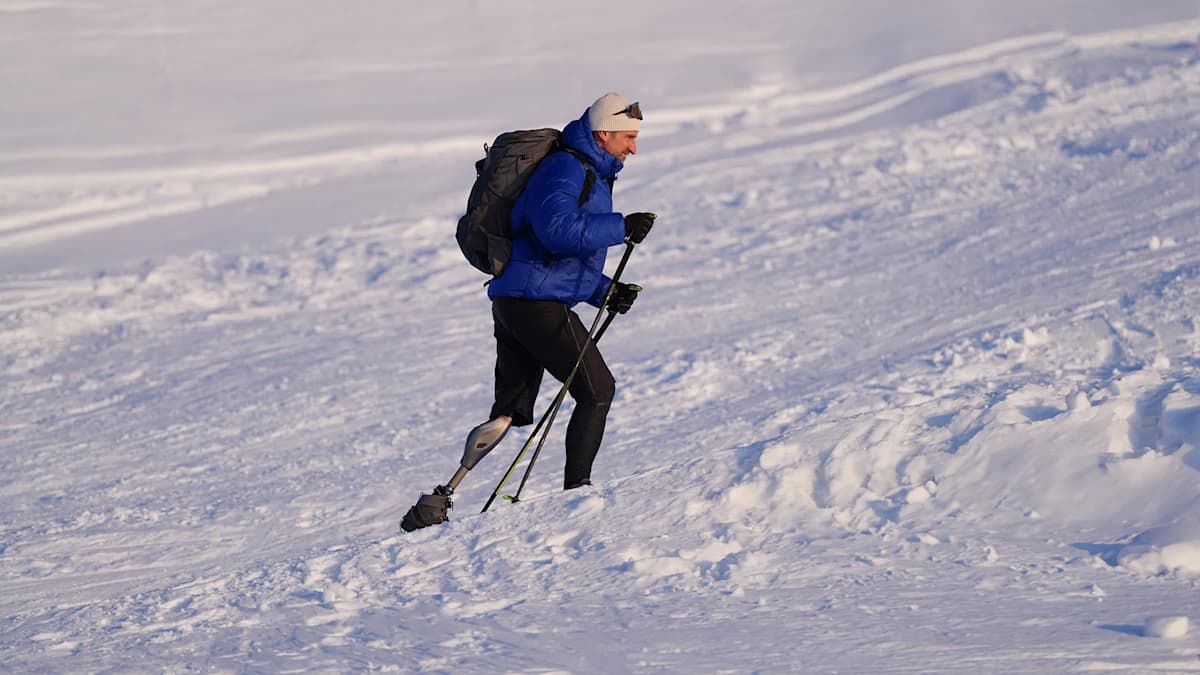
An amputee's ability or potential to walk with a prosthesis can be comparable to that of an unrestricted outdoor walker, with no limitations on time or walking distance. However, due to the high functional demands of this activity level, a high degree of shock, tension and distortion can occur. Therapy goal: Restoring the ability to stand, walk and move about both indoors and outdoors without any limitations.
A carbon fibre foot is designed to store and return energy while walking, giving you a literal "spring" in your step. The carbon fibre acts like a spring, compressing as you apply weight and then releasing energy to propel you forward as you roll off the toe of the foot. Some prosthetic feet feature dual springs, one in the heel and another in the forefoot, providing the flexibility needed for walking at various speeds, running, climbing hills, or descending stairs with stability and confidence. With carbon fibre, the longer the spring, the more energy it can store and the more responsive the foot will be.
Every individual is unique, with different needs, preferences and goals. We offer a diverse range of prosthetic feet tailored to individual users.
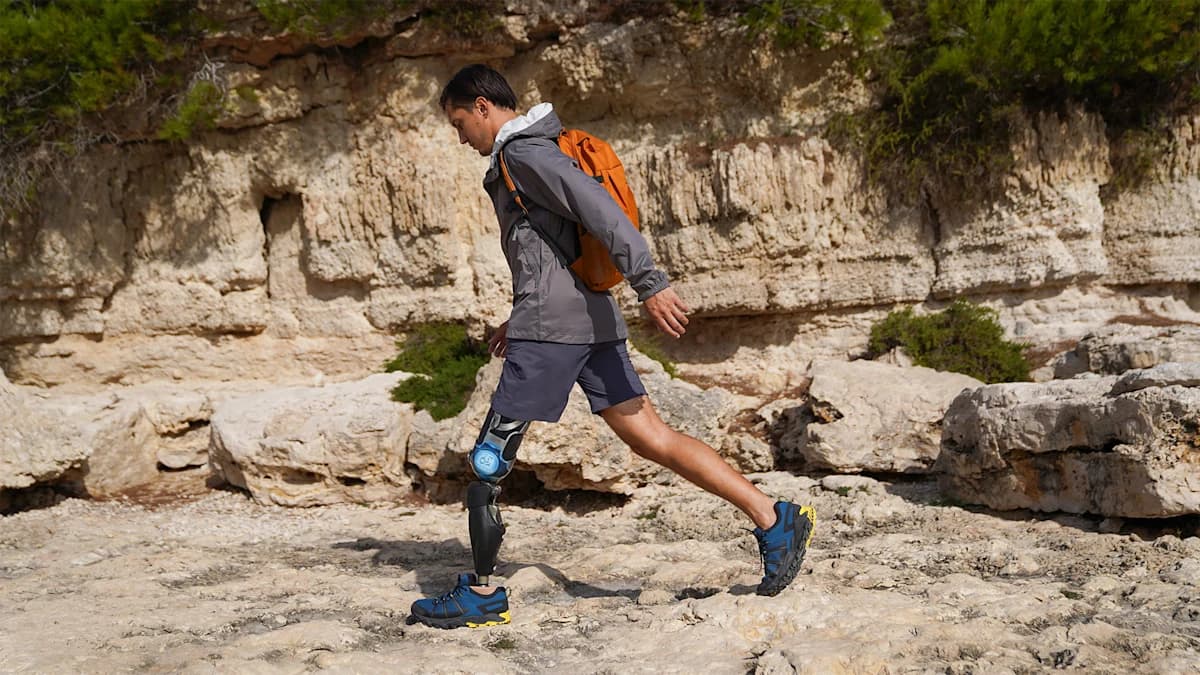
Feel the flow.
Designed for moderately active and active individuals, Evanto offers exceptional multi-axial flexibility. Its ability to adapt to uneven terrain ensures comfort and confidence in every step.
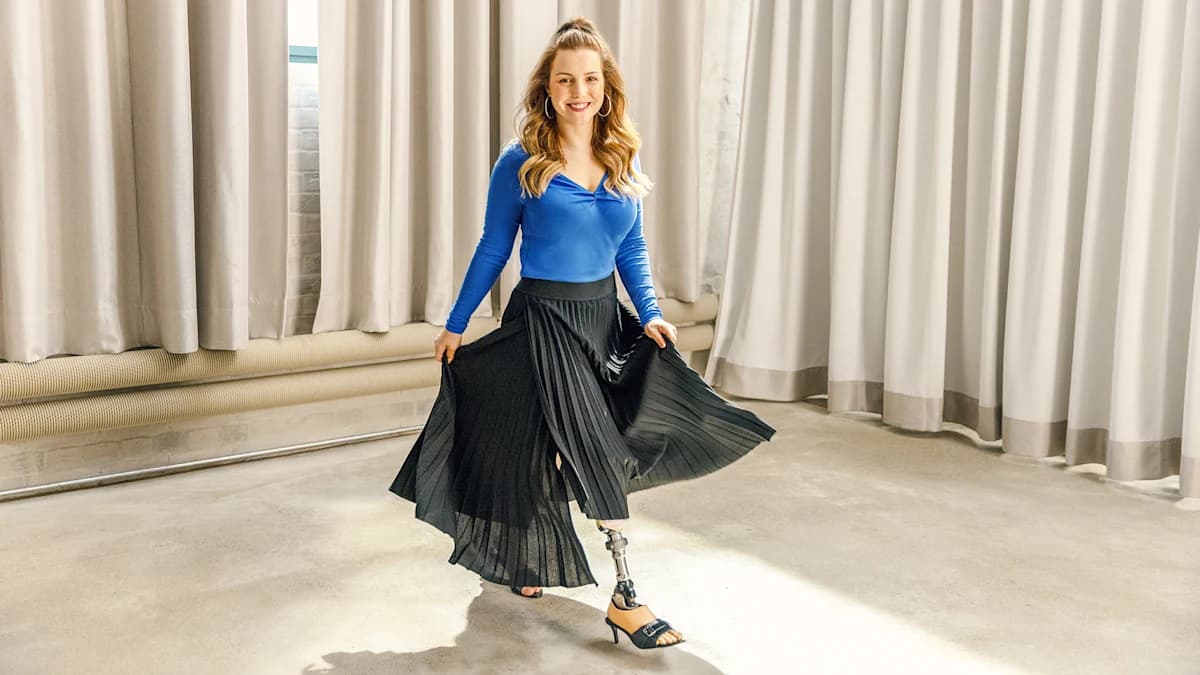
Ready for everyday life.
Designed for active individuals who navigate varied indoor and outdoor environments and place a high value on effortless walking and the freedom to go wherever life takes them.
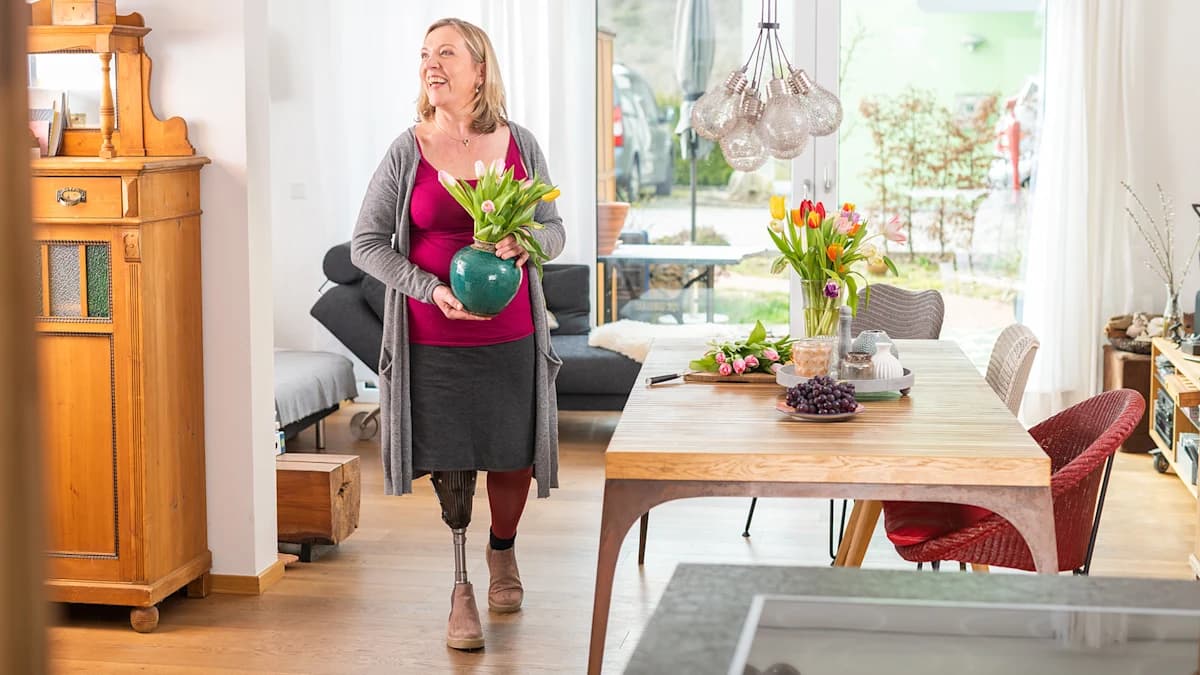
Secure as expected.
Designed for moderately active individuals who navigate indoor and familiar outdoor environments and place a high value on consistent stability when walking.
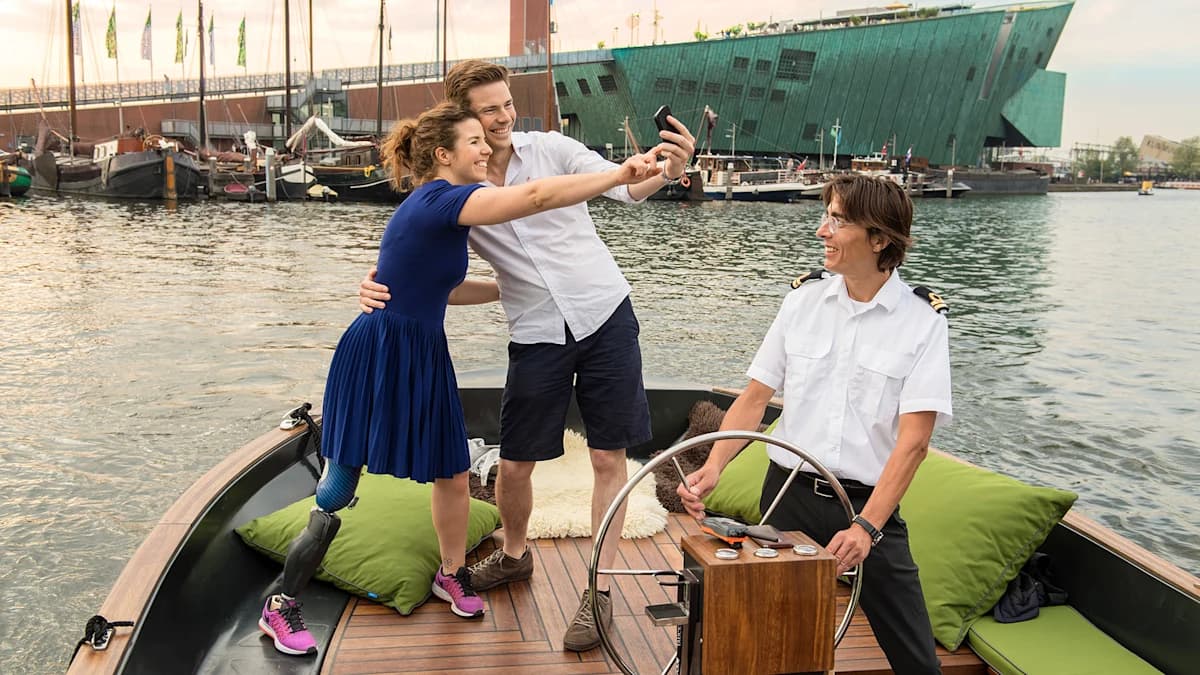
Energy storage.
Designed for highly active individuals who navigate varied indoor and outdoor environments and place a high value on uncompromised response and control during high-impact activities.

Explore new paths.
Designed for moderately active individuals who navigate various indoor and outdoor environments and value intuitive adaptation that replicates natural movement.
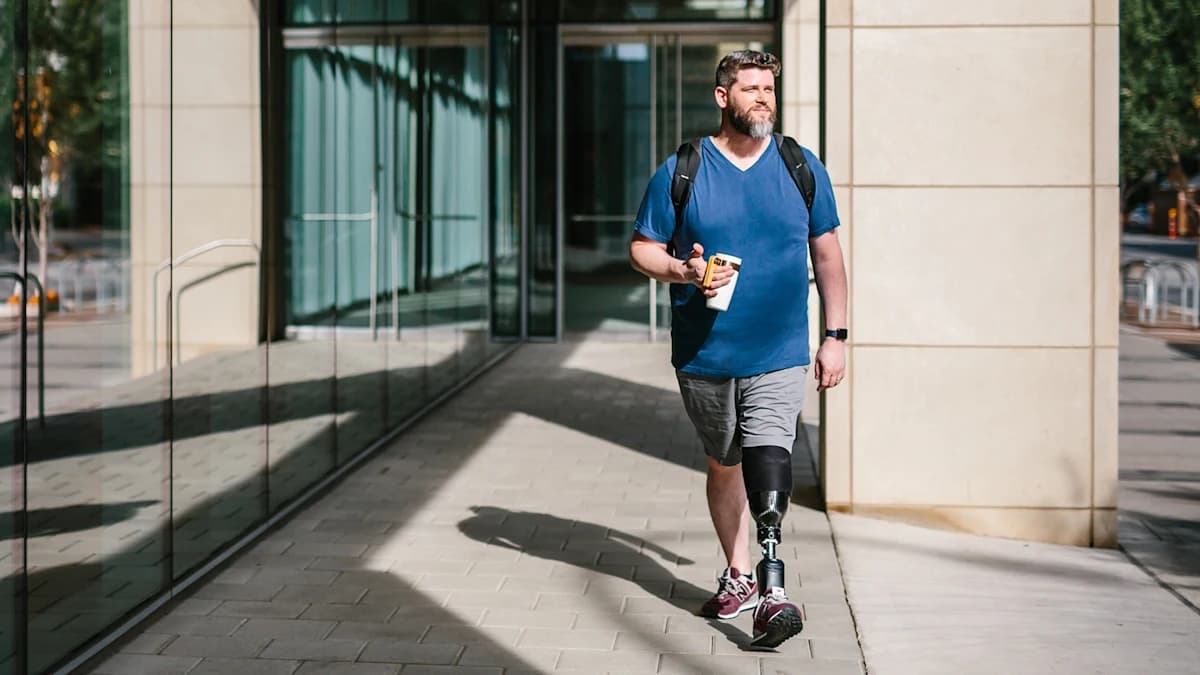
Restore your power.
Designed for highly active individuals who navigate various environments and value the ability to cover longer distances and walk at a higher walking speed.
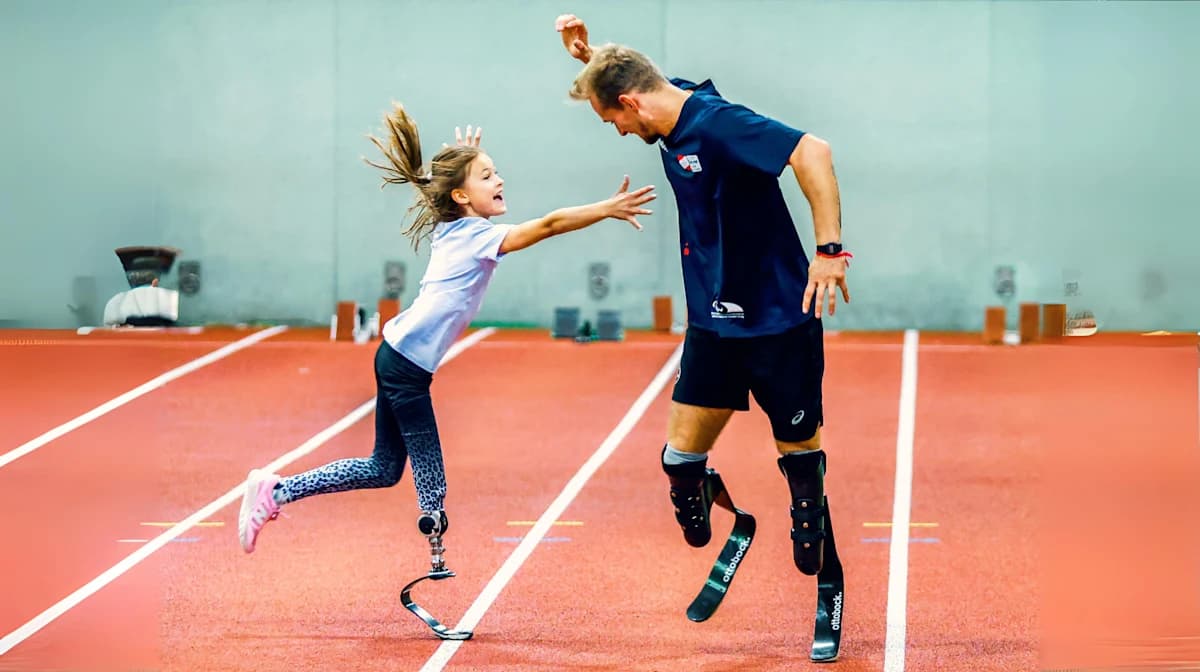
Set the pace.
Designed for everyone who wants to use the same running blade that elite athletes use.
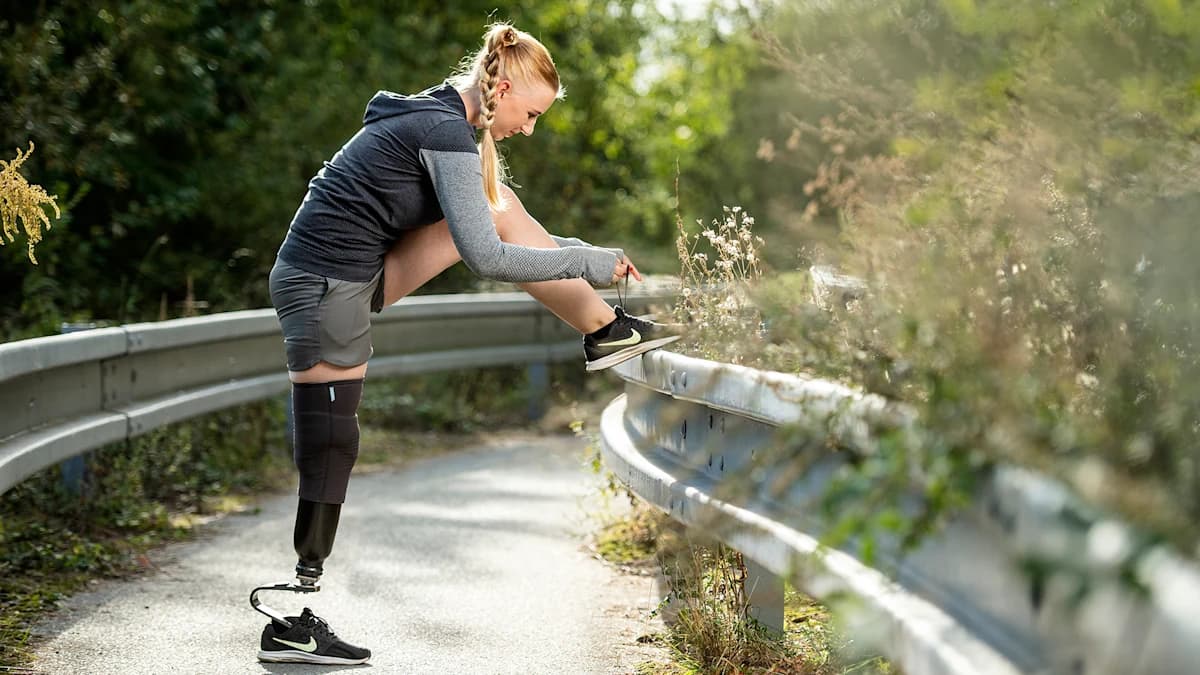
Get in the game.
Designed for everyone who participates in recreational sports while performing agile and powerful movements.
Your prosthetist is the right partner for selecting and fitting a prosthetic foot. They will assess your individual needs and recommend the most suitable option from our portfolio.
Selection is based on amputation level, activity level, body weight, build height, foot size and personal factors such as lifestyle and sports goals.
Yes — your prosthetist will often arrange test fittings so you can experience how different feet feel during your everyday activities.
Many Ottobock feet are designed to withstand water and humid environments. Specific water-resistance ratings vary by product — your prosthetist will explain the details.
No. The cosmetic foot shell allows your prosthesis to fit inside ordinary shoes, though shoe heel height should match the heel height the foot is calibrated for.
Yes — Ottobock offers dedicated sports feet such as Runner and Challenger for athletic and recreational use.
Our expert team will help you choose the prosthetic foot that fits your activity level, lifestyle and goals.
Contact Us