Socket and liner
The most individual part of every prosthetic leg. The liner is worn directly on the limb and protects the residual limb, while the socket and suspension mode ensure a secure connection.
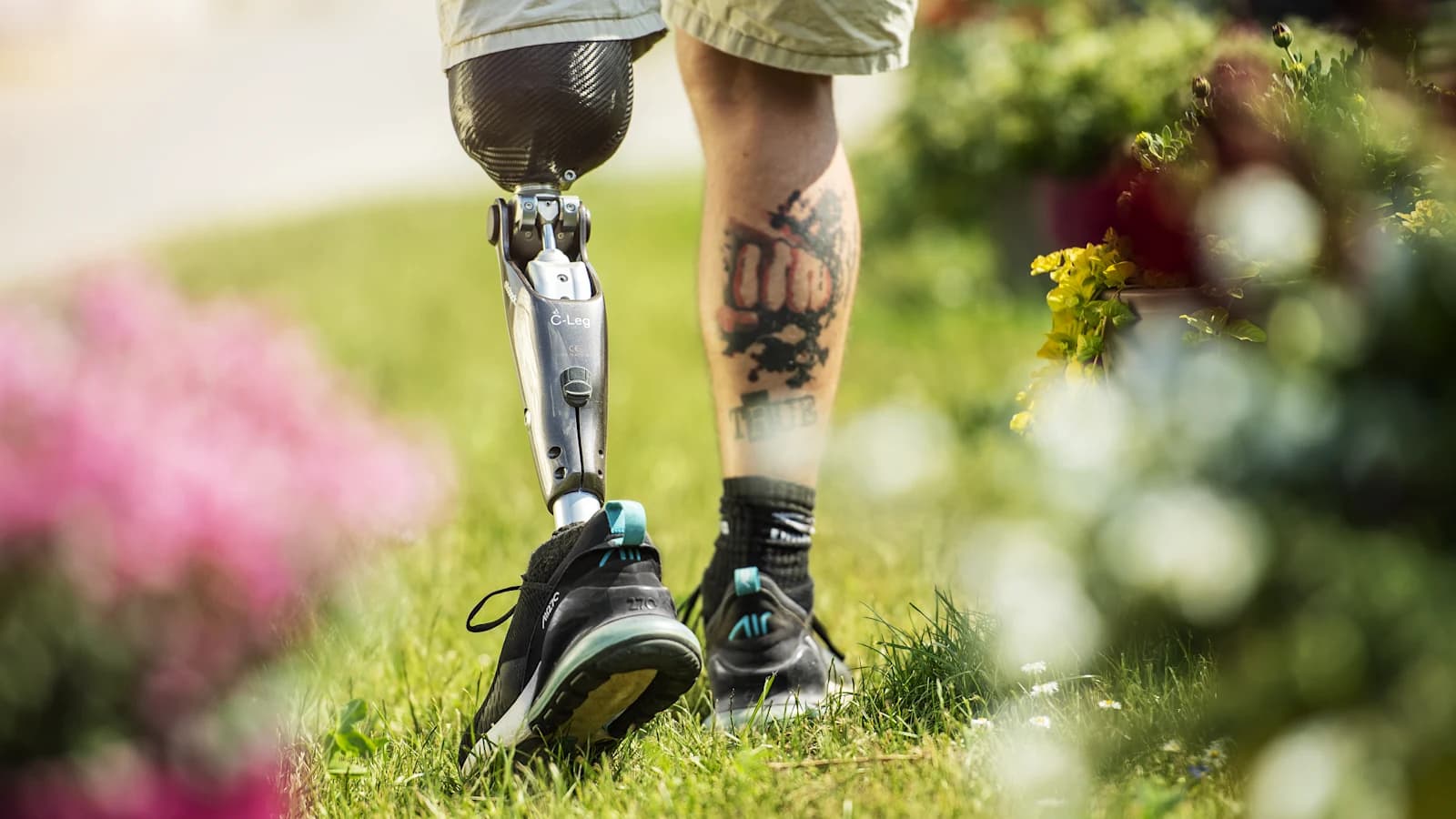
Lower Limb Prosthetics
Components, types and how to find the right fit for your goals.
Contact usA prosthetic leg is a device used to support people who are missing all or part of their lower limbs (hip, knee, foot or toes) due to an injury, accident, illness or congenital condition.
Prosthetic legs can empower people with limb differences in many ways — helping users regain mobility and independence, pursue hobbies and activities, get back to work and improve overall quality of life.
Lower limb prosthetic devices come in a variety of designs and formats that meet different user needs and support different activities and goals.
Depending on what the user needs, a prosthetic leg has up to three main components.
The most individual part of every prosthetic leg. The liner is worn directly on the limb and protects the residual limb, while the socket and suspension mode ensure a secure connection.
For users with an above-knee amputation, the prosthetic knee provides much of the leg's mobility and stability — enabling walking, climbing stairs and walking on ramps.
Designed to provide a stable, supportive walking experience with varying levels of stiffness, flexibility and responsiveness for different activity levels.
Mechanical prostheses provide all the core capabilities users need to walk safely and securely. Microprocessor-controlled technologies are even more powerful, including many that can mimic natural walking movements.
These devices use hydraulic and other mechanisms to provide the support and stability users need to stand, walk and perform daily activities. Strong, durable and reliable — Ottobock options include the 3R80 knee, Dynion knee, Taleo foot and Maverick Comfort AT foot.
Highly advanced devices that use computerised systems, sensors and hydraulics to mimic a natural walking gait. Devices like C-Leg 4, Genium X4 and Empower offer dynamic motion that adapts to different terrains, speeds, activities and situations.
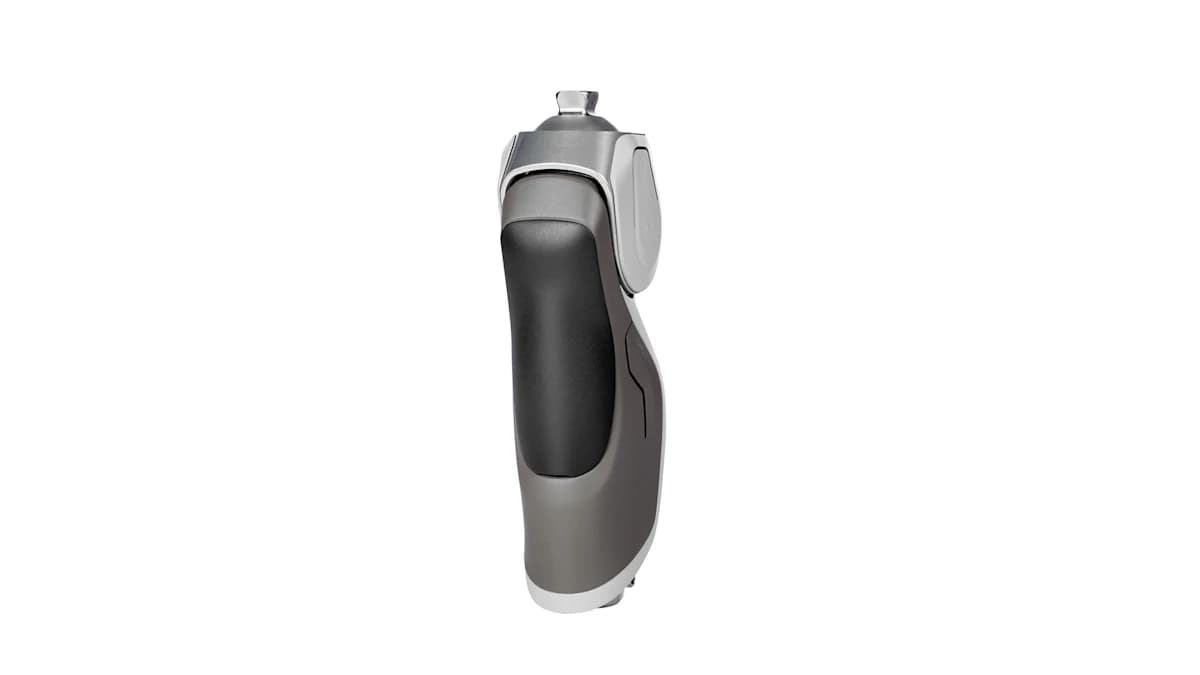
Mechanical knee.
A versatile and dynamic monocentric prosthetic with rotation hydraulics — walking down stairs and ramps, dynamic movement in all directions, cycling and swimming.
Product details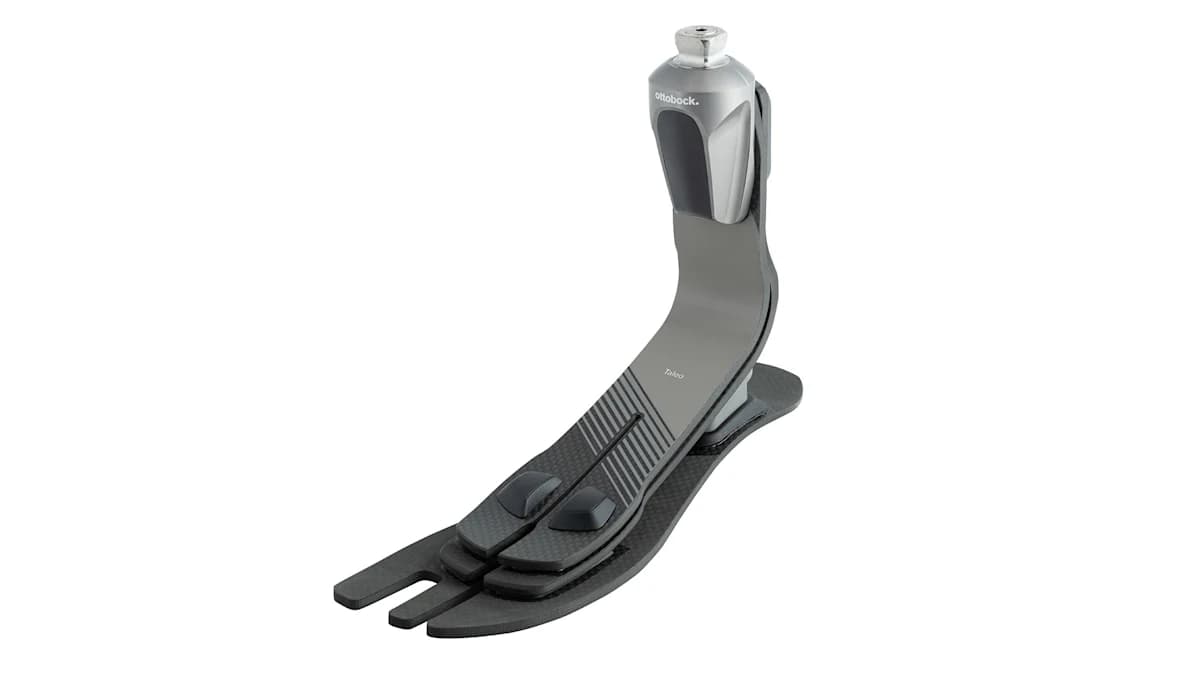
Mechanical foot.
Designed for active users who navigate varied indoor and outdoor environments and value effortless walking and the freedom to go wherever life takes them.
Product details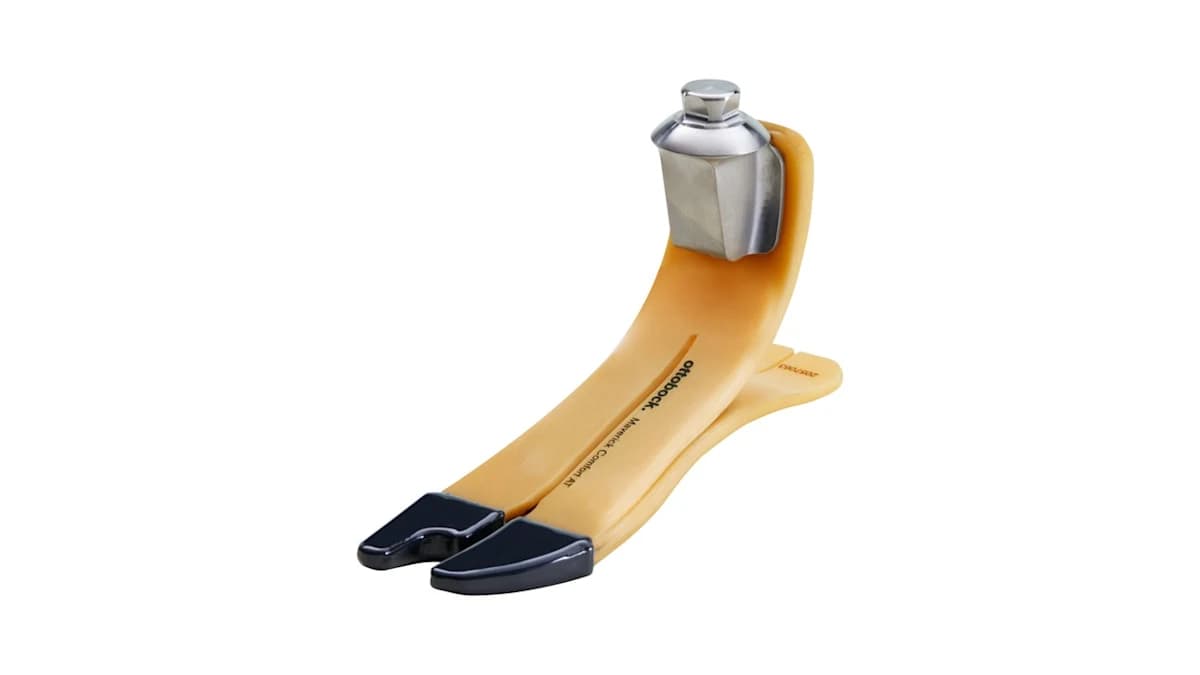
Limited build height.
Created for those with limited build height. The water-resistant Maverick Comfort AT combines a gentle rollover for comfortable walking with a high energy return.
Product details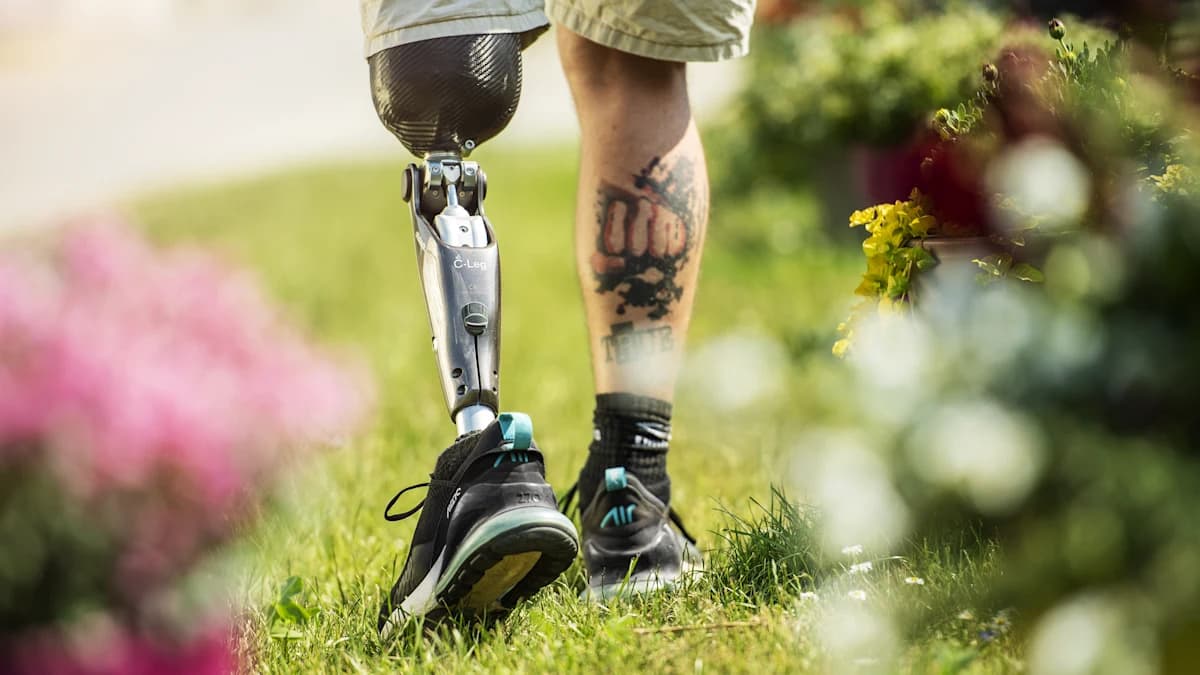
Microprocessor knee.
The world's most studied prosthetic device — proven performance, IP68 weatherproofing and intuitive cycling. Adapts to your unique gait and walking speeds.
Product details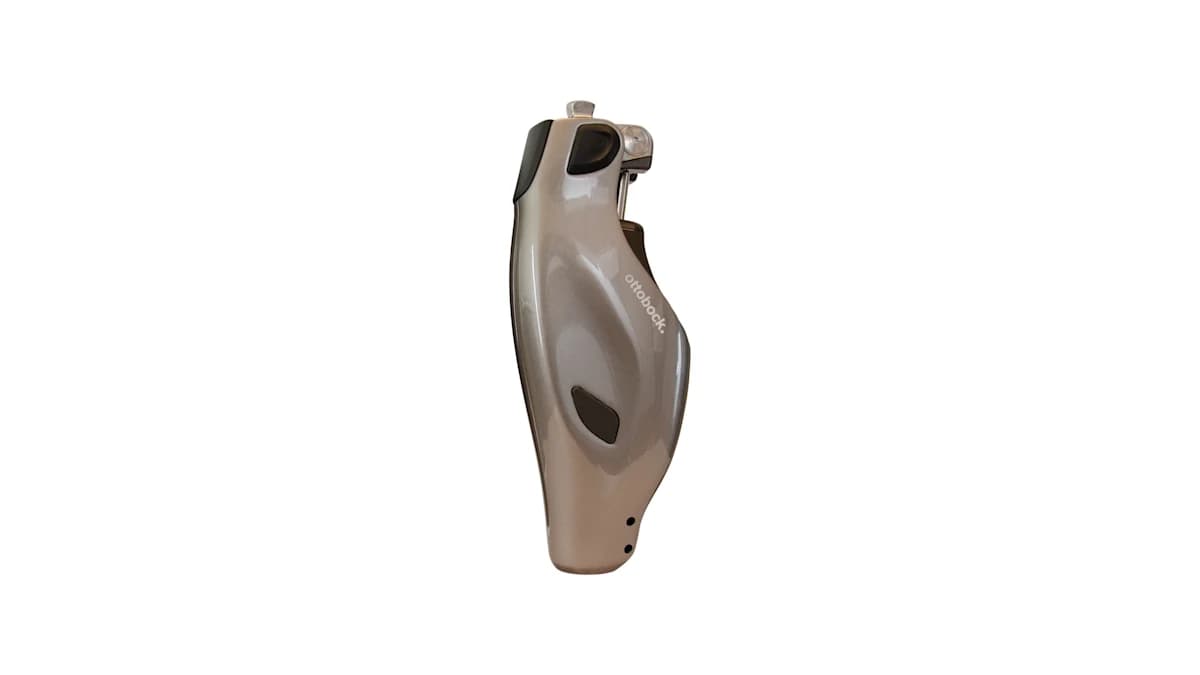
Microprocessor knee.
Ottobock's next-gen MPK with Optimised Physiological Gait, IP68, customisable MyModes and dynamic backward movement.
Product details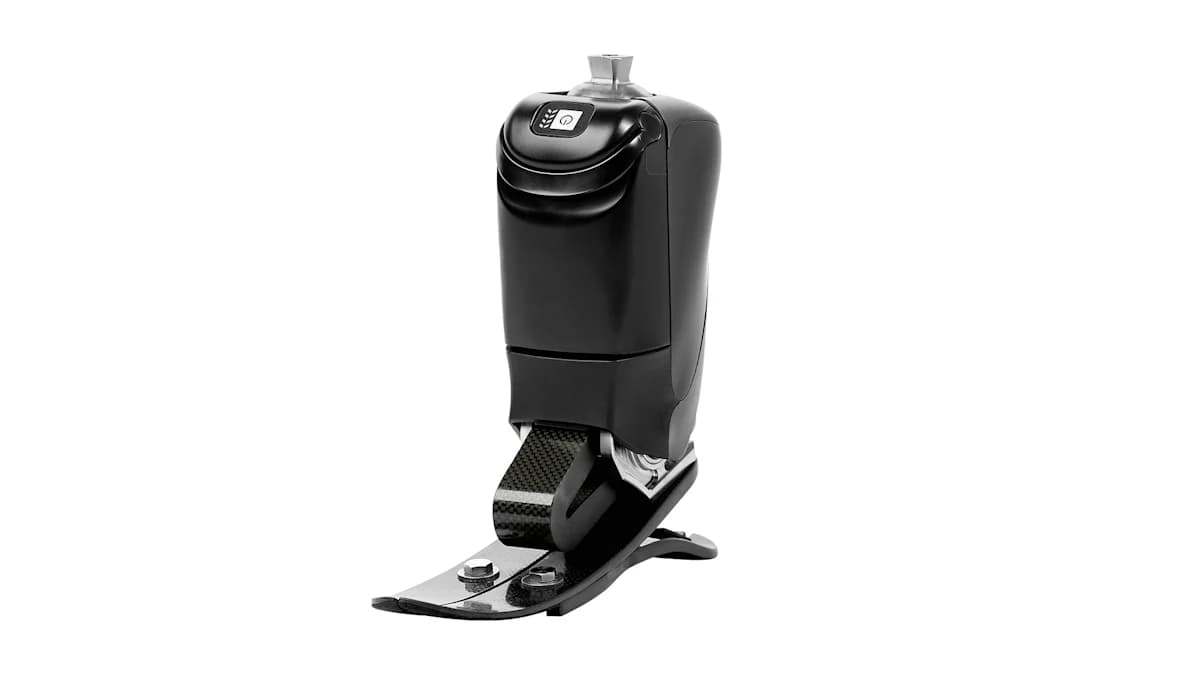
Microprocessor foot.
Designed for highly active individuals who value the ability to cover longer distances and walk at a higher walking speed.
Product detailsNo two users have the same needs or need the same solution. Every prosthetic leg should be customised to fit the person who will be using it — depending on the user's limb difference, lifestyle and preferred activities.
Finding and creating that solution is always a team effort, involving the user, their doctor or surgeon, their physical and occupational therapist and especially a certified prosthetist.
Talk to our expert team about which combination of socket, knee and foot will best support your daily life.
Contact Us