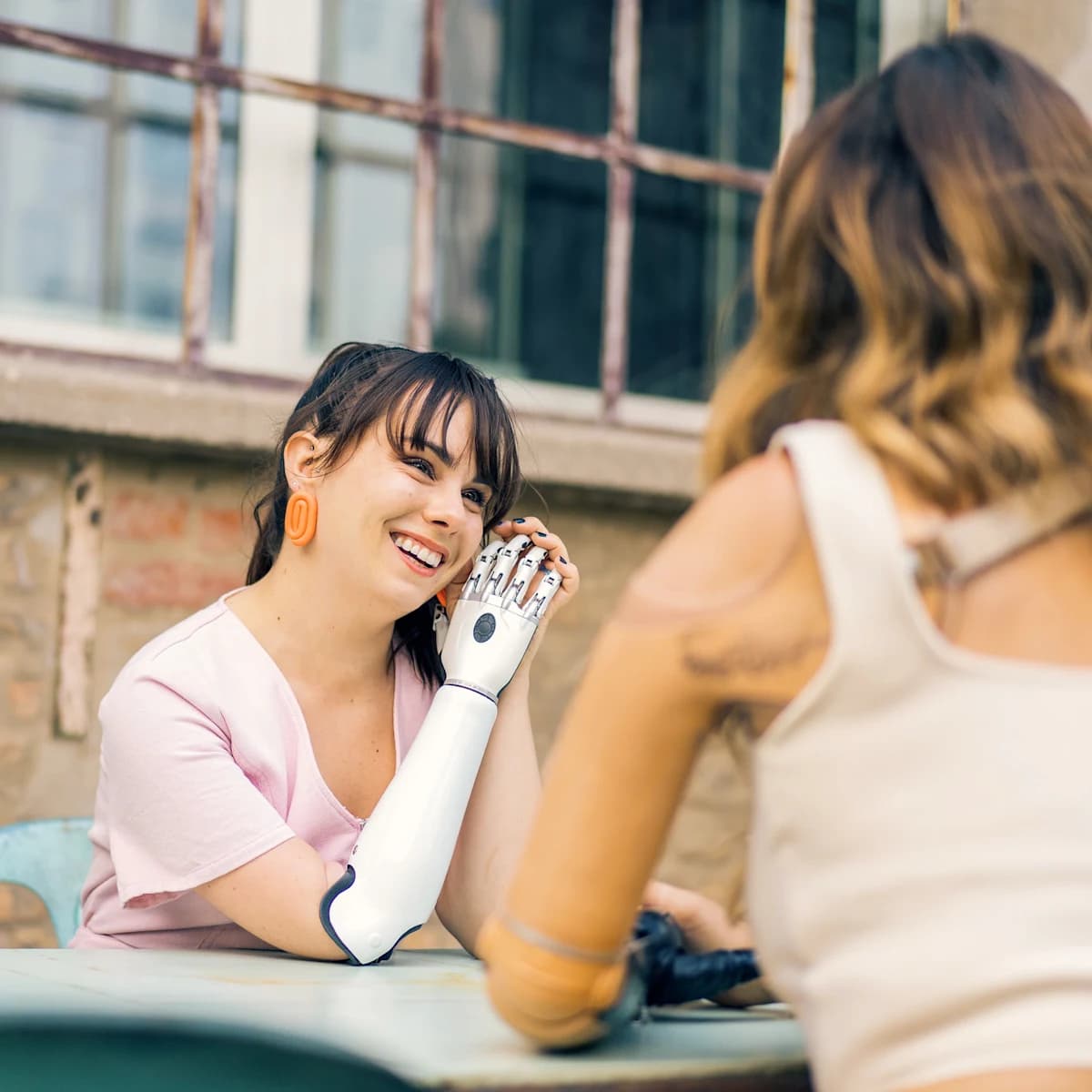
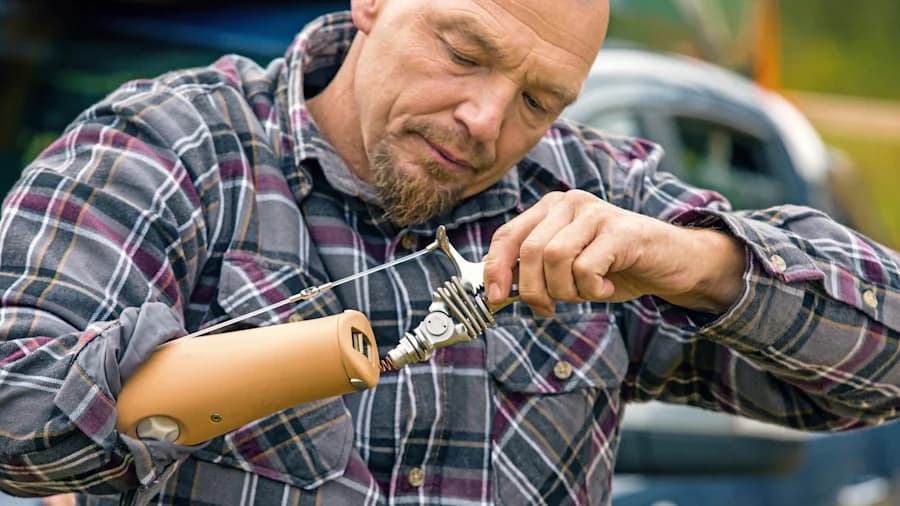
Person using a myoelectric prosthetic hand

Upper Limb Prosthetics

Prosthetic arms and hands.

Discover upper limb solutions

What are prosthetic arms and hands and how do they work?

Prosthetic arms and hands are designed to be worn by people who have lost some or all of their upper limbs (fingers, hand, arm, elbow, or shoulder) due to an injury, accident, or illness, and also by people who have a limb difference due to a congenital condition.

Sometimes called "upper limb prostheses," these devices come in many forms: from simple and natural-looking passive hands to high-tech bionic hands that mimic many different hand movements.

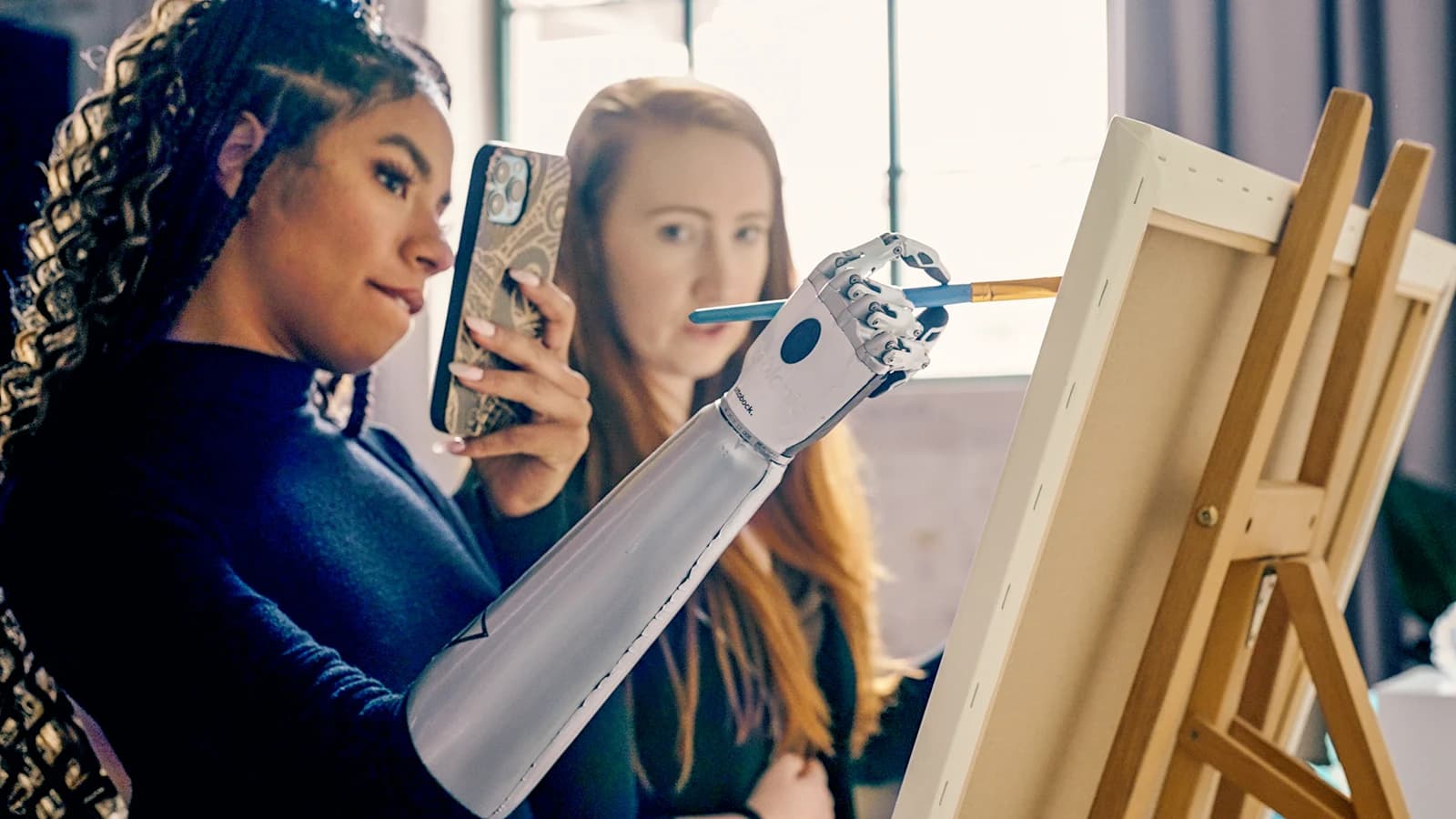
Upper limb prostheses can empower people with limb differences in many ways — helping users regain their mobility and independence, pursue their favourite hobbies and activities, get back to their jobs, and improve their overall quality of life.

What can a prosthetic arm or hand do for you?

While prosthetic arms and hands cannot fully replace a natural limb, they can support users in many different and valuable ways. The right device can help restore independence and mobility, master everyday tasks, get back to work, or simply help users look and feel better.

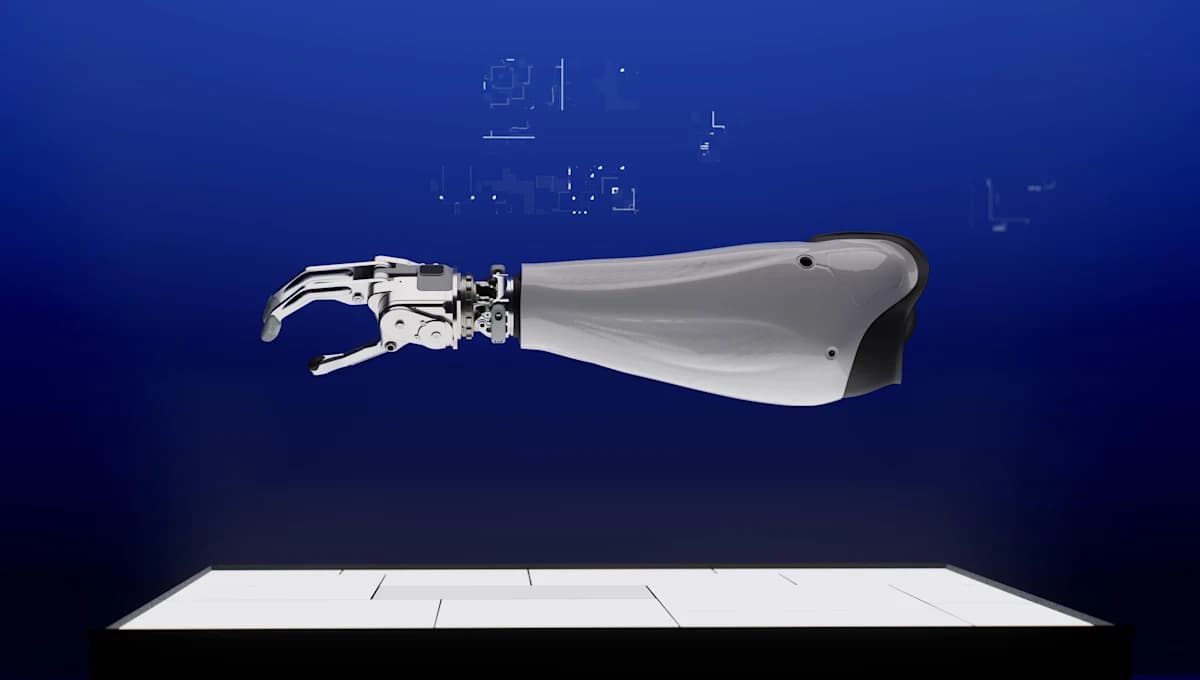
Some prosthetic arms and hands come with special features, like grippers and hooks, that can assist with specific tasks. More advanced devices are designed to look and move more like the human hand.

In addition to physical support, these devices can also support users emotionally and psychologically, helping them adapt to life after limb loss, rebuild their confidence, and improve their self-esteem.

There are three main kinds of prosthetic arms and hands.

These devices typically come in three different forms: cosmetic or "passive" devices, body-powered devices, and myoelectric devices. Each type has its own unique functions and abilities. The right choice depends on the user's needs, goals, activities, and the size, shape and location of their residual limb.

Cosmetic prosthetic arms and hands

Cosmetic prosthetic arms and hands

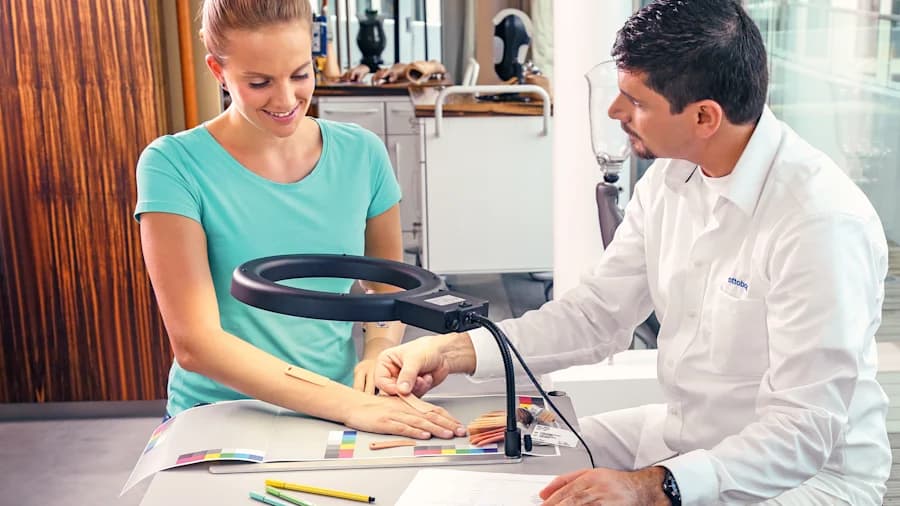
Designed to provide a natural-looking appearance, this type of prosthesis is popular with users who want their device to look as natural as possible. Cosmetic prostheses can be built to match each person's skin tone, gender and physical characteristics. They typically do not offer hand-like functionality but help many users feel more comfortable and confident in social situations.

Body-powered prosthetic arms and hands

Body-powered prosthetic arms and hands

This common type gives people the ability to control their prosthesis by making specific movements with their shoulders, chest, or residual limb, using cables, pulleys and a specialised harness. Known for durability and strength, body-powered devices are suitable for grasping, lifting and heavy-duty everyday activities, and provide a cost-effective, reliable option.

Myoelectric prosthetic hands

Myoelectric prosthetic hands

The most advanced and versatile prosthetic hands available today. Sometimes called "bionic" hands, myoelectric prostheses are controlled by the user's own muscle signals and powered by a battery. Electrodes on the residual limb pick up nerve impulses and translate them into precise finger movements and grip patterns.

Ottobock myoelectric solutions.

Ottobock offers several myoelectric prostheses, each with its own unique functionality and cutting-edge design.

bebionic prosthetic hand

Lifelike. Multi-articulating.

bebionic

The lifelike, multi-articulating bebionic hand works intuitively and precisely in ways that are transforming the lives and abilities of amputees around the world.

Michelangelo prosthetic hand

Lightweight. Powerful. Fast.

Michelangelo

The Michelangelo hand aims to restore numerous functions of the natural hand in a sophisticated and intelligent design.

speedhand prosthetic hand

Speed. Strength. Durability.

speedhand

The speedhand offers exactly what matters most: speed, strength and durability. With up to four electrodes it can be tailored to each user's unique needs, including preferred speeds and switching modes.

Getting a prosthetic arm or hand.

These devices can support an incredibly wide variety of movements, functions and activities. No two users have the same needs or need the same solution. Every prosthetic arm and hand should be customised to fit the person who will be using it.

The right device for each user depends on the user's limb difference, lifestyle and preferred activities. Finding and creating that solution should always be a team effort, involving the user, their doctor or surgeon, their physical and occupational therapist, and especially a certified prosthetist.

A prosthetist is a clinical professional with specialised training in designing and fitting prosthetic arms and hands. This expert can work with you and your care team to identify the right components and custom-build a prosthetic limb that provides safe, comfortable and confidence-building support.

Want to know more? Let's talk.

Our expert team will guide you through cosmetic, body-powered and myoelectric options to find the right prosthetic arm or hand for you.

Contact Us
Contact