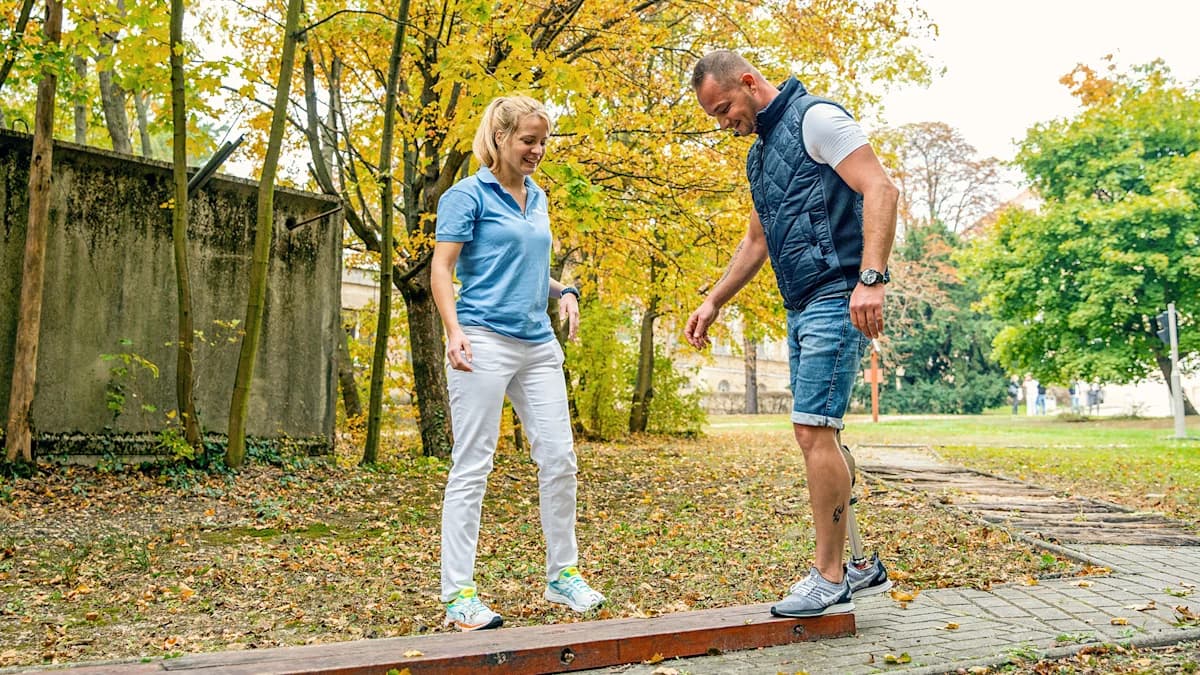
Factory worker
Spends most of an eight-hour shift on his feet, lifts heavy objects above his head several times an hour, and rides his bike to work.
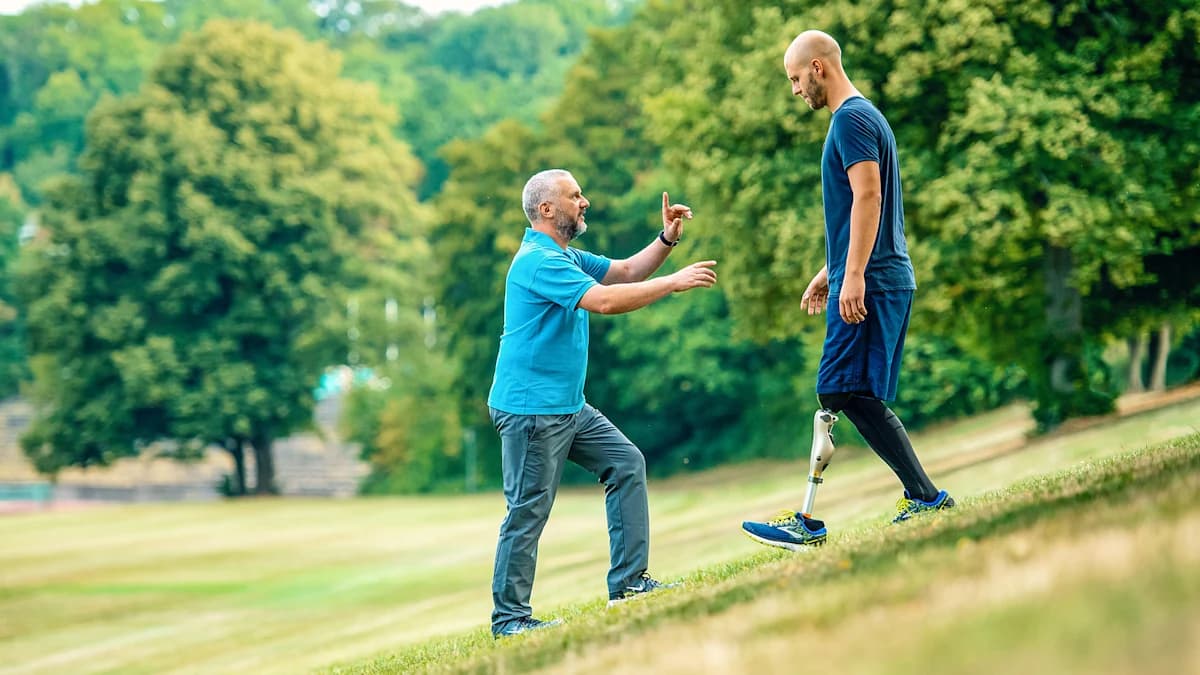
Reintegration
Returning to work, social activities and favourite hobbies are usually among the most important goals for a lower-limb amputee. Once the patient has stabilised after surgery and you have fitted them with a long-term prosthesis, the focus moves to one of the final steps of rehabilitation: reintegration into daily life.
In this phase, the priority is helping patients feel confident in home and work environments that may feel very different now. Because daily routines and professional tasks vary so much, physiotherapists and prosthetists need a clear, detailed understanding of each patient's everyday life.
Patient profiles
Take time to map your patient's typical day, then design rehabilitation goals around their real environments and tasks. The examples below show just how varied daily life can be.
Spends most of an eight-hour shift on his feet, lifts heavy objects above his head several times an hour, and rides his bike to work.
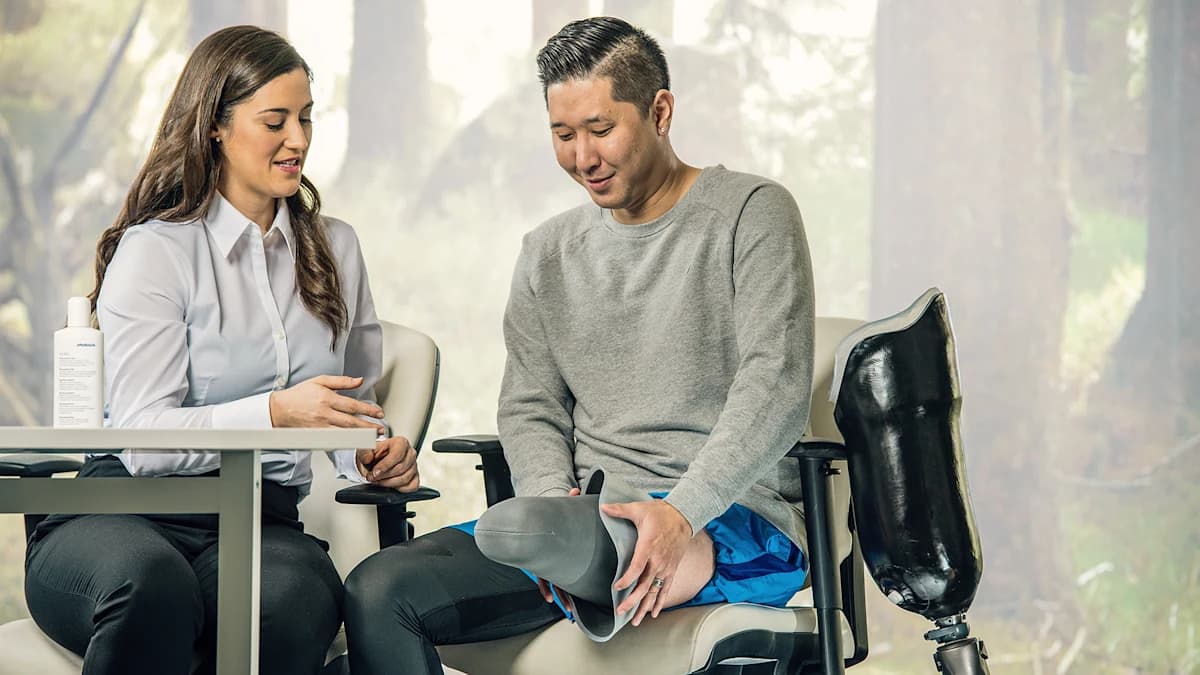
Plays with and carries her children, pushes a pram, and tends a large garden with several flower beds throughout the day.
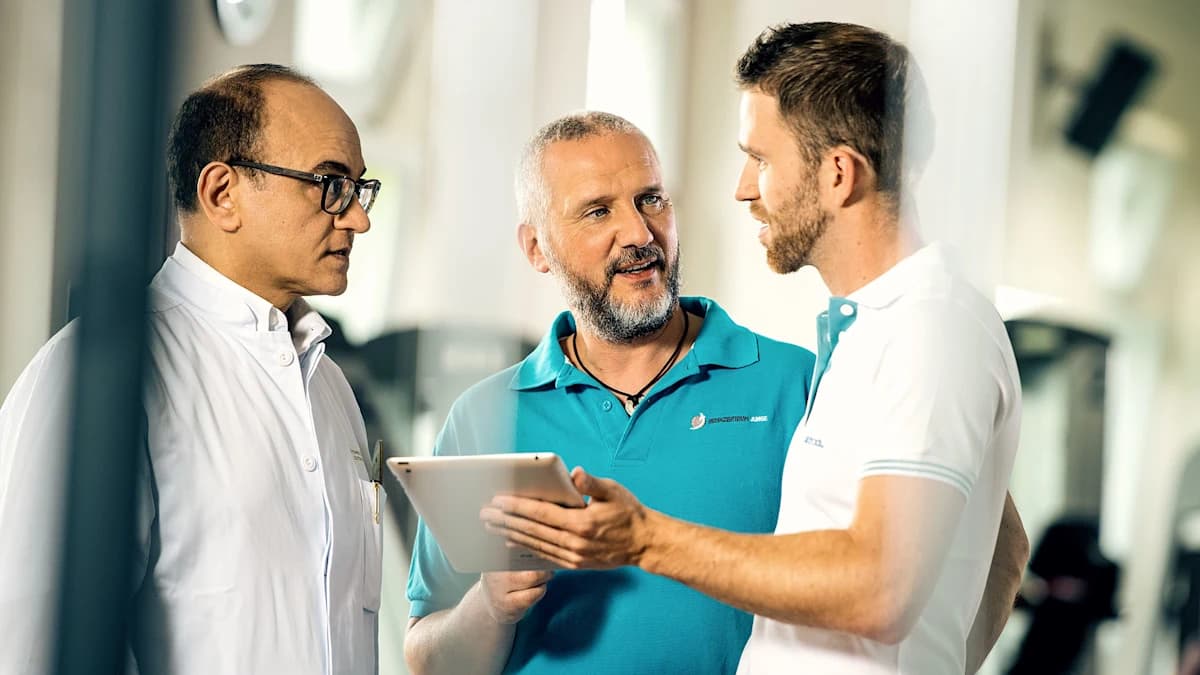
Commutes 45 minutes by public transport with two changes — and during rush hour is at constant risk of being knocked off balance.
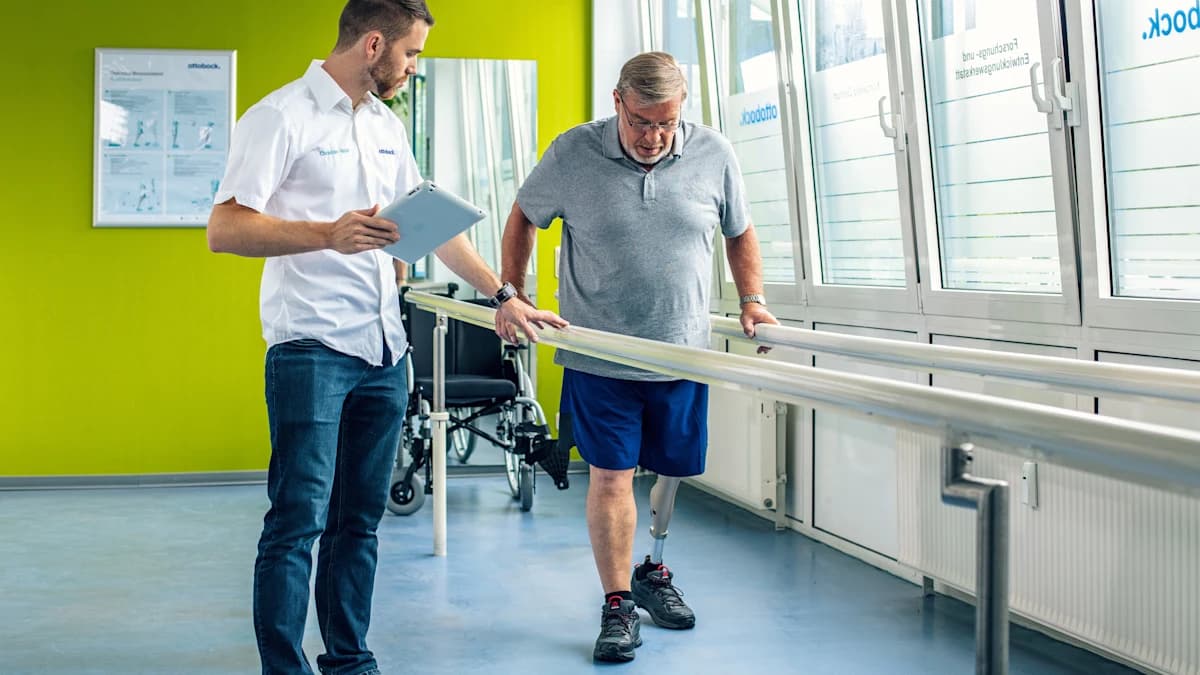
Spends time gardening, walking with friends and travelling — and wants to keep up an independent, social lifestyle.
Long-term partnership
Losing a lower limb is a life-changing event, and learning to live as an amputee is a long-term process that often needs continuous physical, mental and emotional support. For prosthetic teams, that support usually focuses on keeping the prosthesis comfortable and functional.
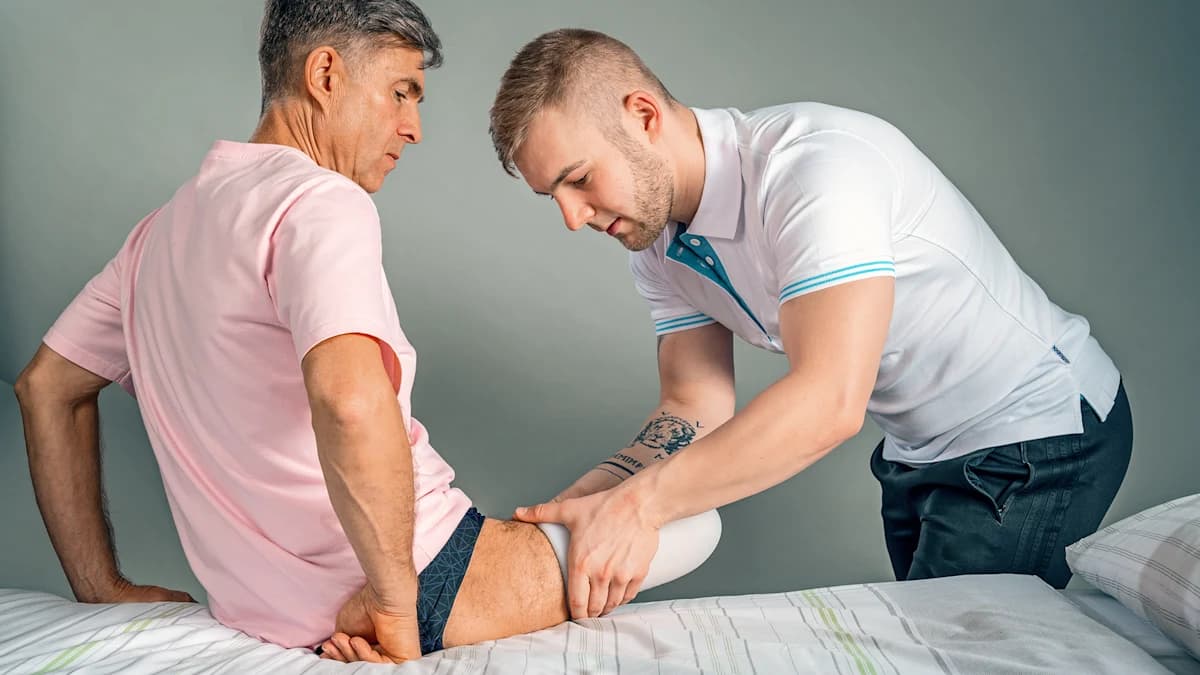
Patients' bodies change over time — especially the residual limb — their daily needs evolve, and their device experiences wear and tear. You may need to adjust the socket fit, re-align components, or provide tailored training as their condition changes. A change in mobility level may also call for a fresh assessment.
Every appointment is a chance to evaluate progress and help your patient get the most from their prosthesis. As part of a multidisciplinary team you can support their mobility, well-being and quality of life over the long term.
Patient community
Movao is an online community where prosthetic users come together, share their experiences and support one another through every stage of their journey.
The platform offers helpful articles and personal stories on amputation, online and in-person events, a sports group and much more. People with limb loss and their loved ones are all welcome to join.
Visit Movao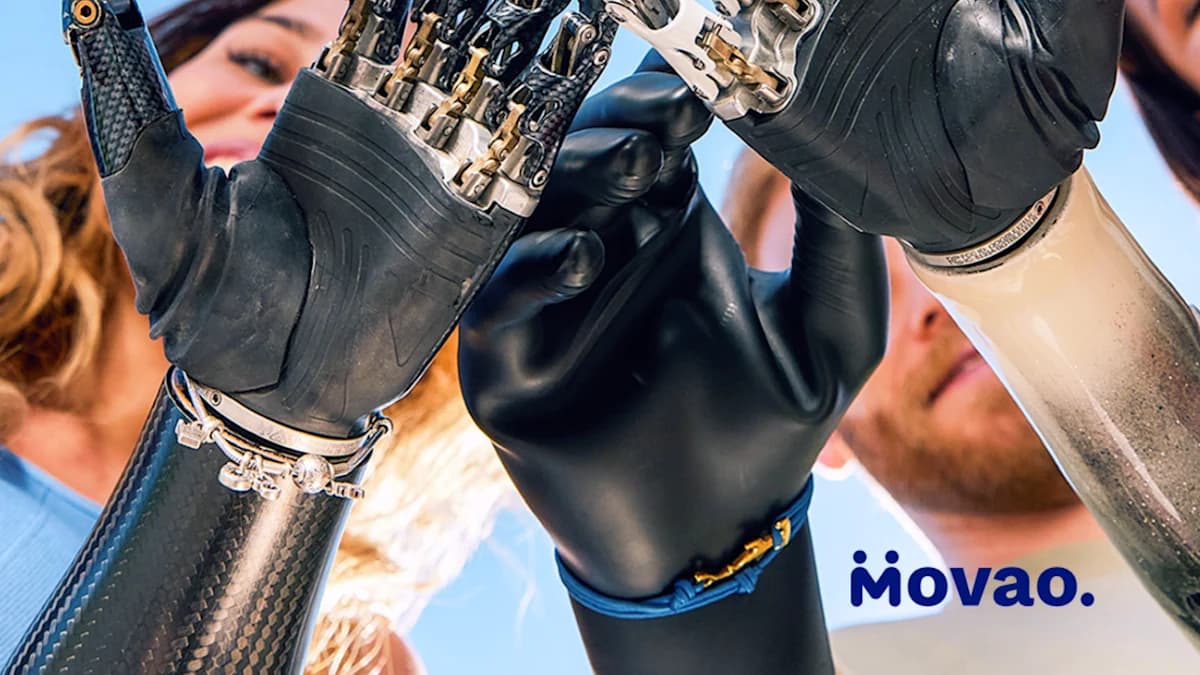
Clinician development
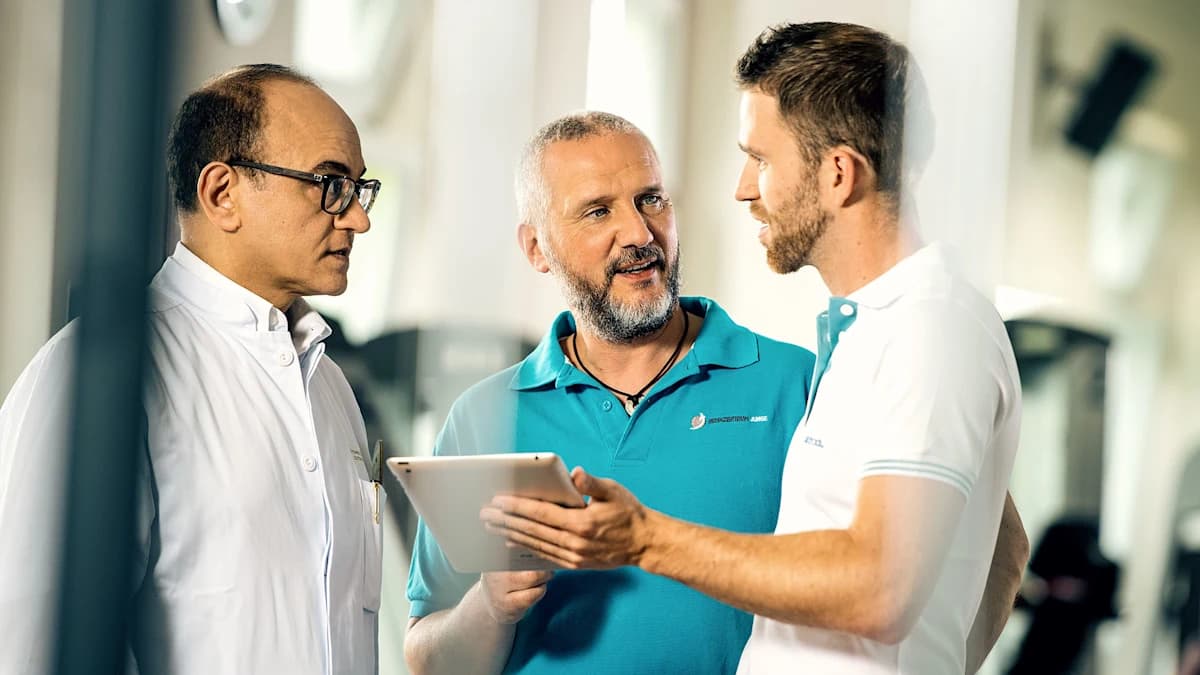
If you want to get the best possible outcomes for your patients with Ottobock products, our Prosthetic Academy team can support you. Get in touch to schedule training tailored to your clinic and patient mix.
A step-by-step guide to preparing your patient and their family for a planned lower-limb amputation.
Learn more →
Set your patient up for a successful rehabilitation journey with the right early steps after surgery.
Learn more →Prepare your patient for their first fitting and learn more about the components of a prosthetic leg.
Learn more →Help your patient feel at home in their prosthesis and guide them through learning how to walk again.
Learn more →Reintegration usually begins once the patient is physically stable and using their long-term prosthesis. The exact timing depends on healing, mobility level and personal goals — your multidisciplinary team will guide the transition.
Talk through a typical day with your patient: their home layout, work tasks, transport, hobbies and family responsibilities. This information helps you set realistic functional goals and choose suitable prosthetic components.
In the first year follow-ups are usually more frequent because the residual limb continues to change. After that, regular reviews — at least annually, and whenever the patient reports a change — help maintain socket fit, alignment and overall function.
Peer communities such as Movao let patients share experiences, get practical tips and feel less alone. This emotional support often plays a big role in long-term motivation and well-being.
Our Prosthetic Academy provides on-site and online training, certifications and product-specific learning paths for prosthetists and physiotherapists. Get in touch for a programme tailored to your clinic.
Talk to our team about prosthetic solutions, follow-up programmes and clinician training that support long-term reintegration after a lower-limb amputation.
Contact Us